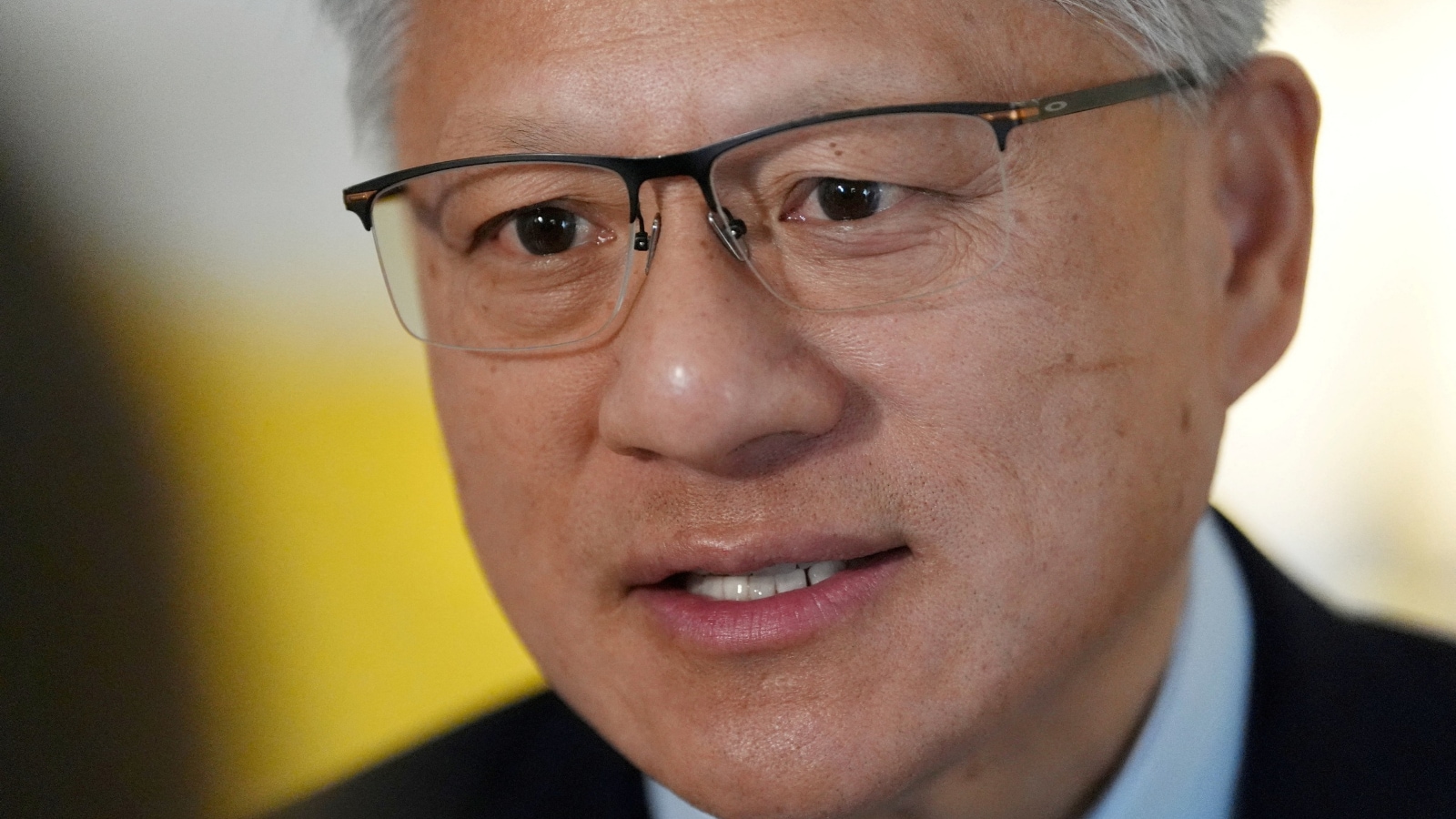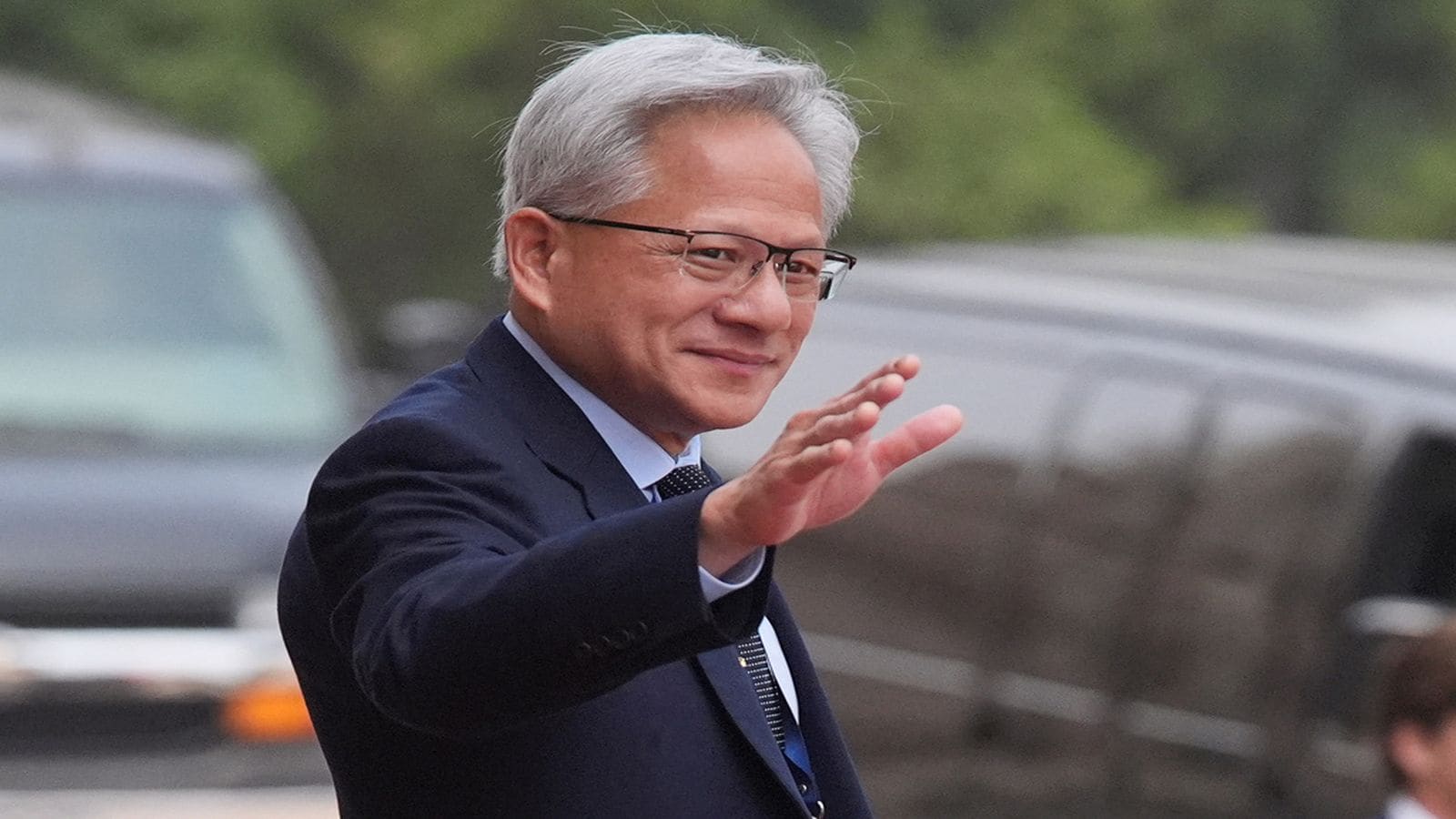
Corporate governance is supposed to be about protecting shareholders, not folding like a cheap lawn chair when a politician picks up the phone. Nvidia's board just put on a masterclass in how to completely destroy public trust in boardroom independence. One week they are showing Jensen Huang the door over an explosive misconduct scandal, and the next they are welcoming him right back with open arms.
If you think this whole mess is just corporate drama, you are missing the bigger picture. This saga exposes a massive vulnerability in how mega-cap tech giants operate when they grow too big to fail.
The Anatomy of a Stunning Reversal
Let's look at the timeline because it's genuinely staggering. Nvidia directors unanimously accepted Huang's resignation after admissions regarding an affair with a subordinate and subsequent security scrutiny. Chairman Harvey Jones went on record stating that bringing someone back who damaged the company's reputation would be crazy. Six days later, that exact sanity check flew out the window.
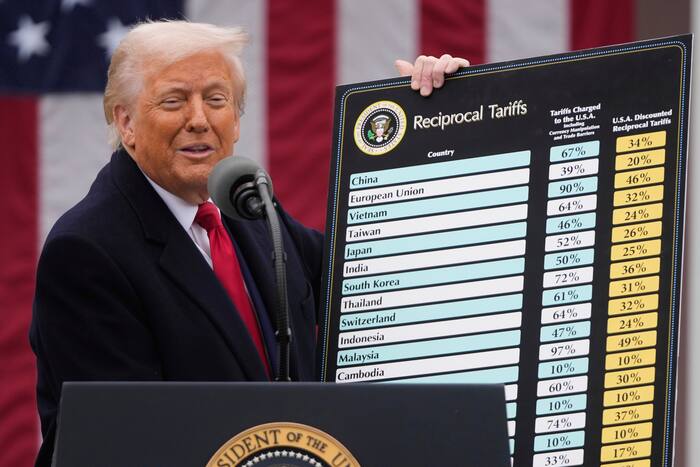
The board executed a total 180-degree pivot after conversations with Huang and heavy-handed political intervention. President Donald Trump openly admitted he leaned on the board to reverse the ouster, arguing that losing Huang's brain power was too high a risk for the artificial intelligence race. Further reporting by Financial Times explores similar views on this issue.
When the board caves to external political pressure that fast, you have to ask a blunt question: who is actually running the company? Is it an independent body of directors bound by fiduciary duty, or is it whoever can shout the loudest from Washington?
Why Governance Experts Are Sounding the Alarm
Corporate watchdogs and business school professors are not amused. Experts specializing in financial crises point out that directors are supposed to represent the long-term interests of shareholders rather than panic over short-term stock market corrections.
When a company's valuation dominates major indexes like the S&P 500, political figures get nervous about retirement accounts and economic momentum. But trading away corporate governance standards to prop up market sentiment sets a dangerous precedent. It tells every executive in Silicon Valley that code-of-conduct violations and internal misconduct rules don't apply if your revenue numbers are high enough.
Furthermore, long-tenured boards often become insular echo chambers. Nvidia's directors feature a mix of longtime loyalists and corporate veterans from consumer goods rather than tech governance specialists. When a crisis hits, that composition struggles to maintain backbone under pressure.
The Road Ahead Is Full of Landmines
Huang may have received a raucous welcome from employees in the headquarters atrium, complete with promises to "be a better CEO the second time around," but his troubles are far from over.
Congressional committees are sharpening their knives. Lawmakers from both parties are demanding public testimony under oath regarding export control compliance and chip shipments to restricted markets. Investigations into whether corporate oversight completely failed during the affair fallout are just getting started. Shareholder lawsuits are already being mapped out in Delaware, meaning the legal bills and reputational fallout will linger for quarters.
What This Means for the Tech Industry
The takeaway here is simple. The era of the untouchable tech founder who operates above internal rules is facing a severe reality check, even if temporary political bailouts can buy a temporary stock rally.
If you are tracking modern corporate strategy, watch how institutional investors react to compromised boards. Real market maturity requires boards that can stand firm when a crisis hits, rather than folding the moment a politician demands a quick fix. Demand transparency, look past the hype of quarterly earnings bounces, and pay attention to who is actually holding leadership accountable.
Nvidia slides as CEO Huang faces board scrutiny over affair with alleged spy
This video provides an overview of the ongoing scrutiny and market reactions surrounding Jensen Huang's return to Nvidia amid the unfolding controversy.