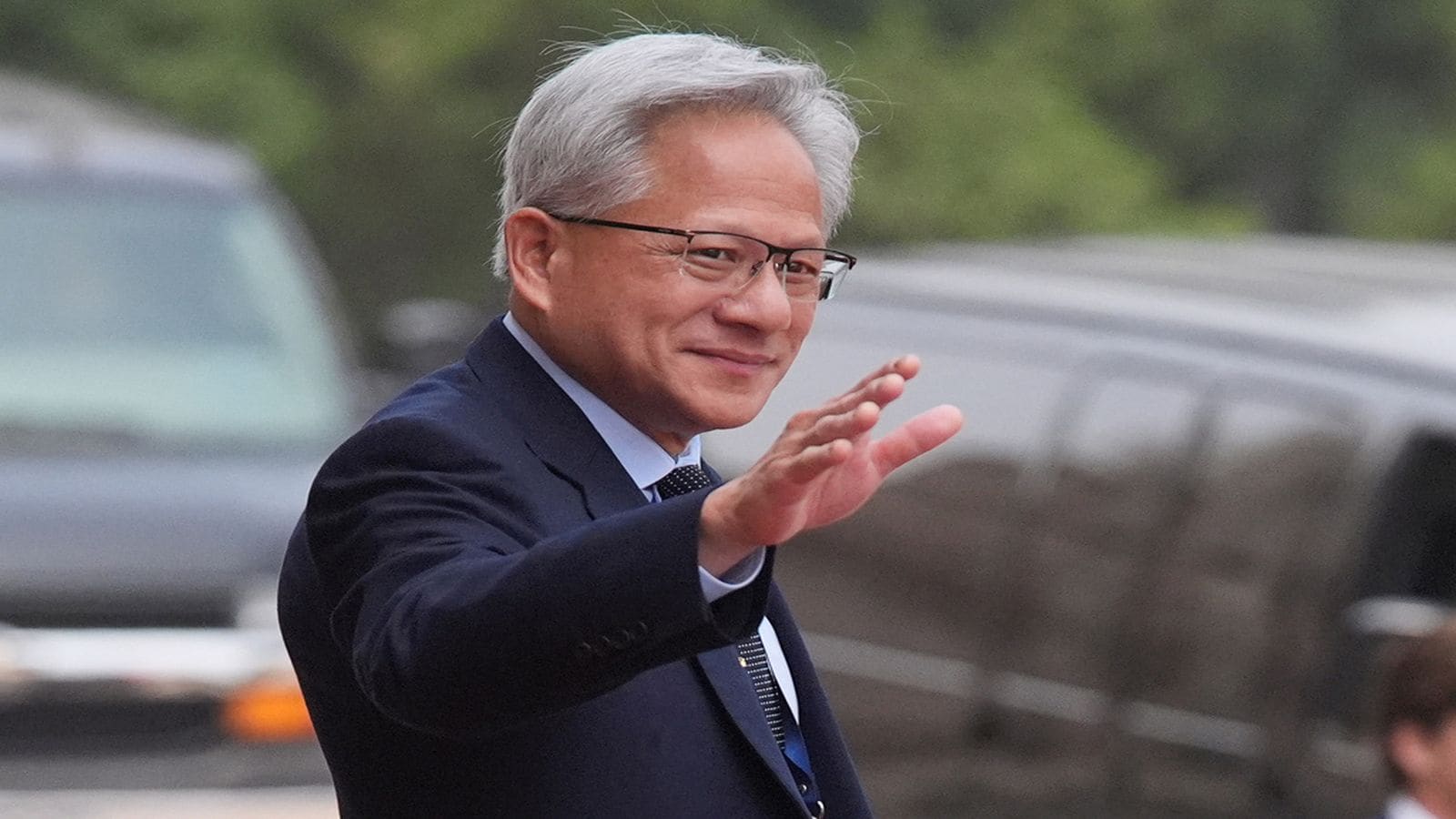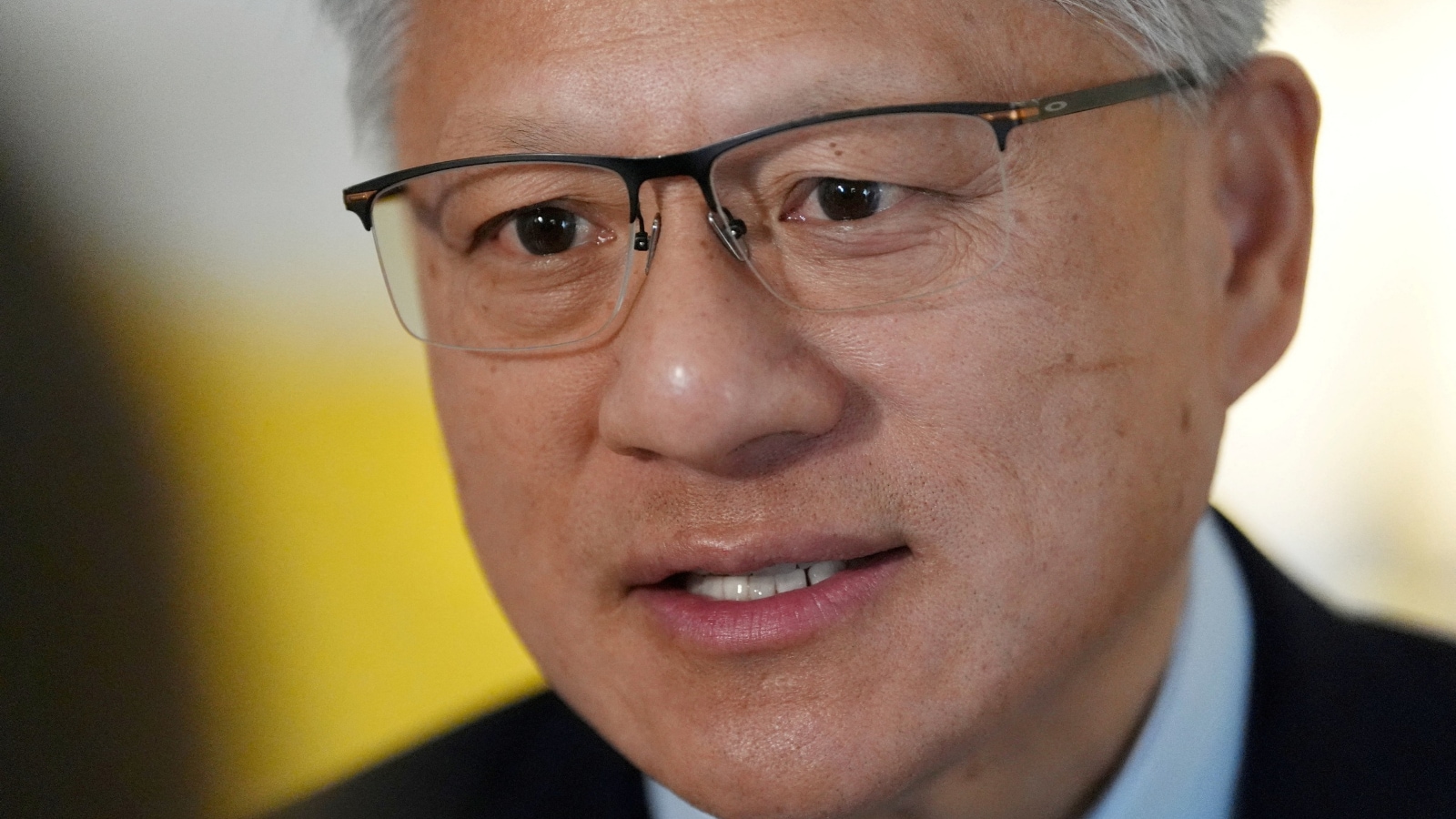
Jensen Huang walked back into Nvidia on November 23, 2026, after an 11-day absence that rattled Wall Street and wiped out over $1 trillion in market value. Yet at his very first all-hands meeting back, he made one thing crystal clear. Nvidia isn't getting a formal succession plan.
Honestly, after a crisis that saw him resign on November 12, CFO Colette Kress step in as interim CEO, board chair Harvey Jones declare on the November 17 earnings call that the board didn't intend to reinstate him, and the board reverse course unanimously just six days later, you'd expect some humility around leadership continuity. Instead, Huang doubled down. According to reporting from CNBC and the Financial Times on November 24, he told employees that Nvidia operates with a distinct model and capable leaders across different areas, so it doesn't need succession planning the way traditional companies do. He argued that naming a successor creates unnecessary hierarchy.
That's a bold stance for a chief executive who just came back from the brink. It also exposes the central tension hanging over Nvidia right now. Can a multi-trillion-dollar AI powerhouse keep running on founder-centric momentum without a clear bench plan behind its leader?
Why Jensen Huang Resists Succession Planning
If you watch how Huang talks about org charts, his objection isn't just stubbornness. It's philosophical. As reported by TechCrunch on November 24, Huang has long compared standard corporate org charts across burger chains, software firms, and automakers, arguing they look identical and don't make sense to him because a company's job is to be the system that produces products. In his view, anointing a single heir apparent distorts incentives, breeds politics, and creates artificial hierarchy where flat execution and direct problem-solving are supposed to rule.
I've watched founder-led tech companies wrestle with this exact trap for years. On paper, skipping a formal crown prince sounds scrappy and meritocratic. People focus on shipping work rather than jockeying for position.
In reality, though, skipping succession planning leaves a massive single point of failure. When Huang stepped down on November 12 following personal conduct disclosures that violated company standards, the board suddenly had to scramble. Kress stepped in as interim CEO while Jones became the board's first-ever chair, and rumors swirled around potential internal and external names like data-center chief Ian Buck and Arm CEO Rene Haas, as well as executive search firm Heidrick & Struggles. Watching that unfold showed how fast a leadership vacuum turns into market whiplash.
What Happened During Those Wild Eleven Days
Let's look at the timeline because the speed of the reversal is wild. On November 12, Huang resigned as president, CEO, and director. Five days later, on the November 17 earnings call, Jones stated plainly that the board had accepted his resignation and did not intend to reinstate him.
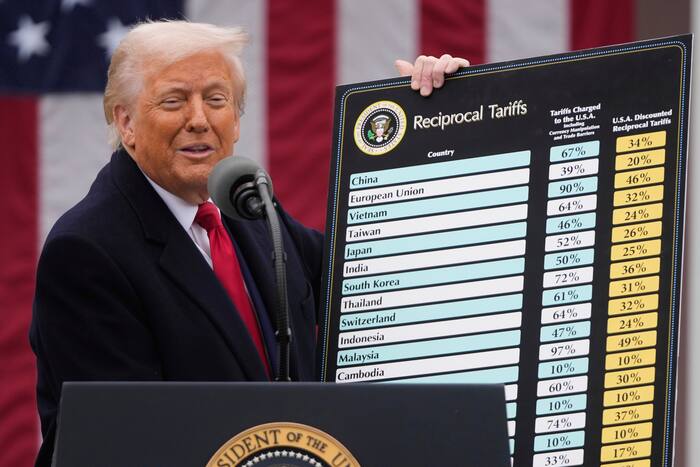
Then everything shifted again. Public pressure mounted from prominent figures, a petition, vocal investors including Altimeter Capital and Atreides Management, and political voices in Washington, including President Donald Trump, who told CNBC he had spoken with Huang and the board ahead of the move. On November 23, Nvidia announced via press release that the board unanimously reinstated Huang effective immediately after meetings addressing his candor and ability to lead, noting cooperation with ongoing government inquiries and no national security risk found. Shares jumped sharply on the news—reported around 31% to 31.5%—before pulling back more than 7% the next day as reality set back in.
The Real Risks Behind A Founder-Centric Model
Huang told staff he hurt everyone, apologized for disappointing them, and pledged to do better with a second chance, even thanking Kress for holding down the fort during her stint as interim CEO. Reporting from outlets like the Korea JoongAng Daily and Financial Express also noted his family's visible proximity around the company—with daughter Madison Huang and son-in-law Nico Caprez emerging as key figures close to him and his son holding an executive role—alongside board steps like establishing a national security and export control committee and moving toward a compliance chief.
Here's where I part ways with Huang's argument. Saying "we don't need a succession plan because we have great leaders" works great right up until the moment a crisis hits and nobody knows who actually holds the wheel long term.
Governance commentators have been hammering this point all week. Writing for the Chartered Governance Institute UK & Ireland, observers highlighted how even a board where directors are classified as independent can face serious pressure when longtime ties, founder influence, and high-stakes politics collide. Meanwhile, analysts at places like Morningstar noted that keeping Jones as chair and Kress as CFO points toward getting back to business as usual with minimal C-suite shakeup.
Still, "business as usual" isn't risk-free. Let's look at the three practical headaches Nvidia faces right now:
- Talent and ambition signaling: When an interim CEO steps up during a storm and the founder returns days later, ambitious senior leaders naturally wonder what career paths actually exist at the top.
- Political and regulatory crossfire: With Washington commentary, export controls, and government inquiries in the mix, leadership stability isn't just an internal HR question anymore. It's a geopolitical one.
- Board credibility: Reversing a public "no reinstatement" stance in six days makes investors ask how airtight the board's process was in the first place.
What Investors And Boards Should Do Next
If you're an investor, a board member, or an operator running a fast-growing company, don't copy Huang's anti-succession playbook just because Nvidia's stock bounced on his return. Nvidia's scale, AI hardware dominance, and sheer gravity give it room for error that most companies simply don't have.
If you want to protect a company without turning it into a slow, bureaucratic nightmare, take these concrete steps:
- Separate emergency continuity from long-term grooming. You don't need a public "crown prince" parade to have a clear emergency protocol and a confidential bench review with the board every year.
- Audit board independence honestly. Check whether directors can push back hard on a founder or CEO during high-stress moments, not just whether they pass a checklist on paper.
- Watch actions over speeches. For Nvidia specifically, track what actually changes in compliance, reporting lines, and oversight over the coming months rather than relying on a single all-hands pep talk.