Children sitting in classrooms should never have to worry about commercial explosives stored right next door. Yet that is precisely what turned a routine school day in eastern Afghanistan into an absolute catastrophe.
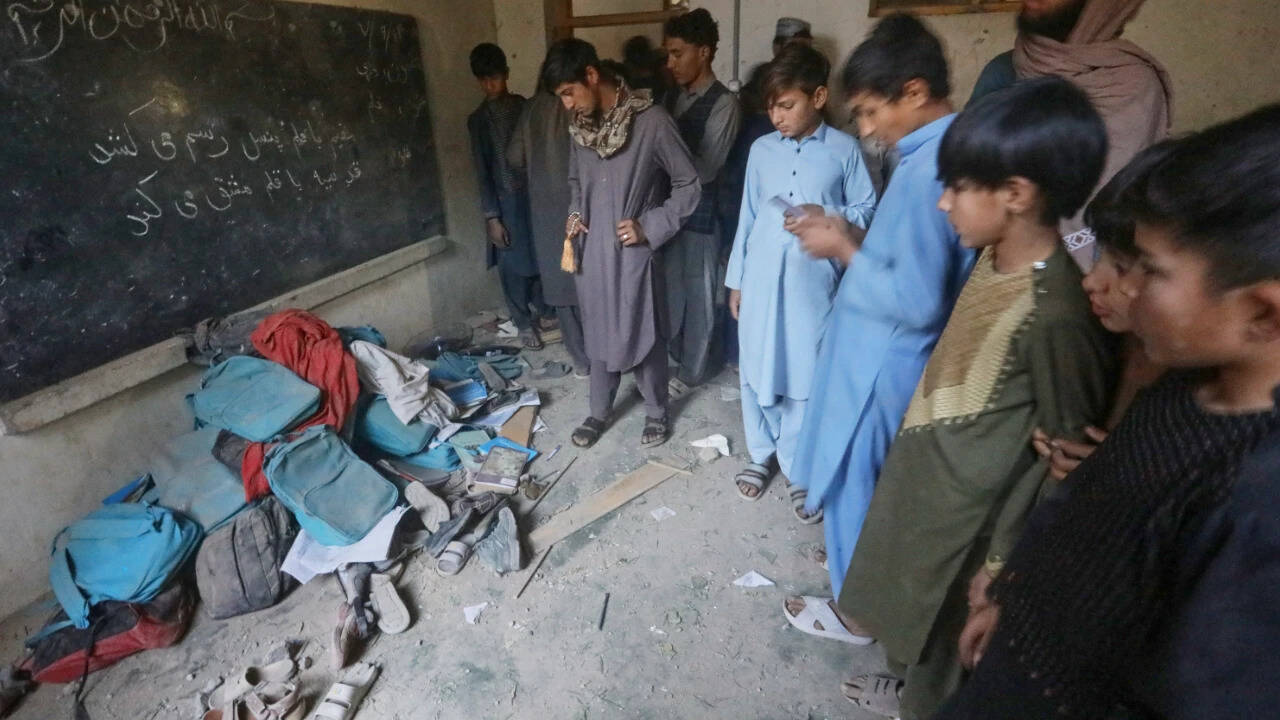
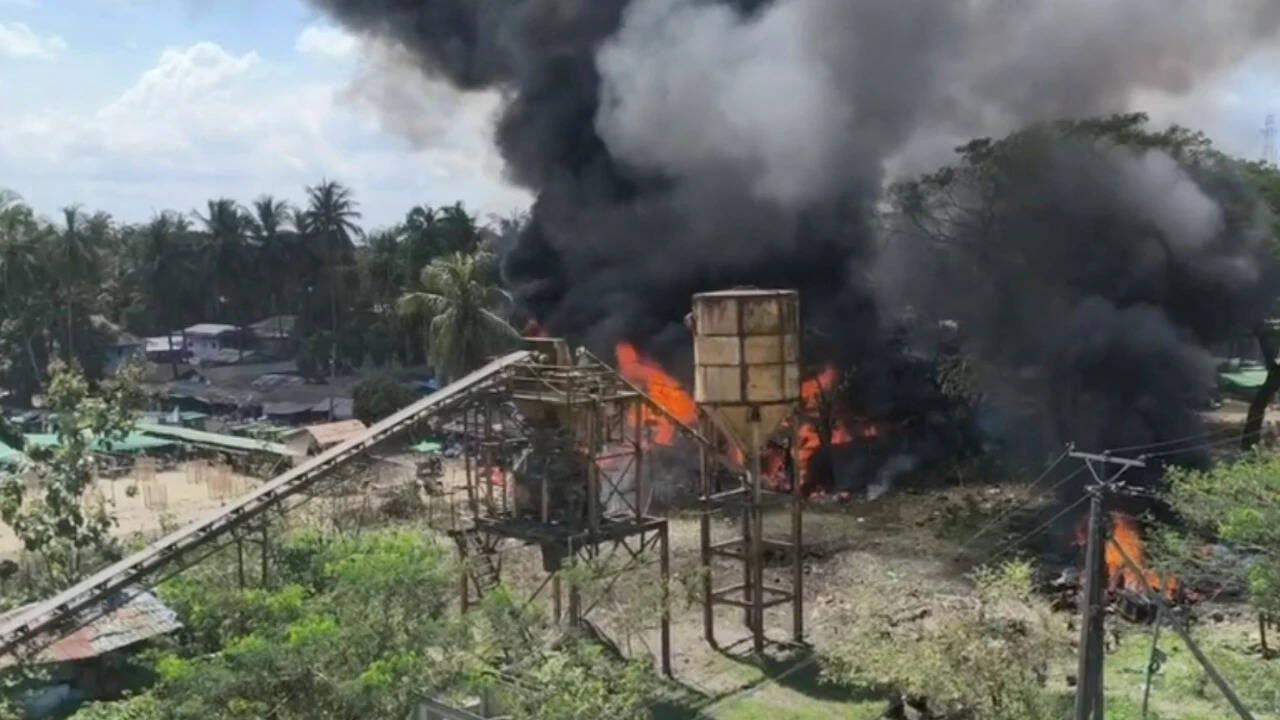
An explosion ripped through a residential building directly adjacent to a middle school on the outskirts of Asadabad, the capital of Kunar province. According to statements from the interior ministry and local officials, the blast killed at least 10 people—mostly children—and left more than 110 others wounded.
When you look past the initial reports of the tragedy, a glaring systemic issue emerges. This wasn't targeted violence or a militant attack. It was a completely avoidable industrial disaster rooted in lax safety regulations and unregulated storage of hazardous mining materials in populated civilian neighborhoods.
What Happened on the Ground in Kunar
The blast occurred mid-morning on a Saturday in the Andar Ser area. The target wasn't a military checkpoint or a government installation; it was a primary and middle school filled with young students.
Local residents rushed toward the plume of thick dust immediately after the detonation. Noor Rahman, whose house sits right next to the school, recounted running blindly into the debris where he pulled his niece and other bloodied students from the wreckage of collapsed classrooms.
Initial reports from provincial health and culture officials gave varying early casualty counts, but the Interior Ministry confirmed that the death toll settled at 10, with 110 injuries requiring urgent medical care. UNICEF teams quickly mobilized on the ground to assist local hospitals overwhelmed by scores of injured children.
The Real Culprit: Dangerous Mining Storage Practices
Why was there enough explosive power to flatten structures next to a school?
Investigators quickly pointed the finger at gross negligence. The house adjacent to the school was being used to store dynamite and other explosive materials intended for local mining operations.
Gemstone and mineral extraction is on the rise across Kunar province, a mountainous region bordering Pakistan rich in natural resources. Independent mining companies frequently operate with little oversight, cutting corners on logistics and safety. Storing volatile dynamite inside residential buildings or right next to public infrastructure like schools is a catastrophic recipe for disaster.
Abdul Mateen Qani, spokesperson for the Taliban interior ministry, explicitly blamed the incident on carelessness and negligence at the mining depot. When private entities handle high explosives without proper regulatory enforcement or secure industrial zones, civilian populations pay the ultimate price.
The Broader Danger Facing Afghan Communities
This disaster highlights a terrifying reality across rural and provincial Afghanistan. As local extractive industries ramp up to boost economic activity, safety standards are practically nonexistent.
Unregulated storage of mining dynamite in residential areas puts thousands of families at risk every single day. When commercial explosives are kept a stone's throw away from playgrounds, homes, and classrooms, it's not a question of if an accident will happen, but when.
The tragedy in Kunar demands immediate, sweeping crackdowns on illegal and unsafe material storage by mining operators. Authorities need to enforce strict zoning laws that physically separate hazardous industrial materials from schools and residential neighborhoods before another community faces unimaginable loss.