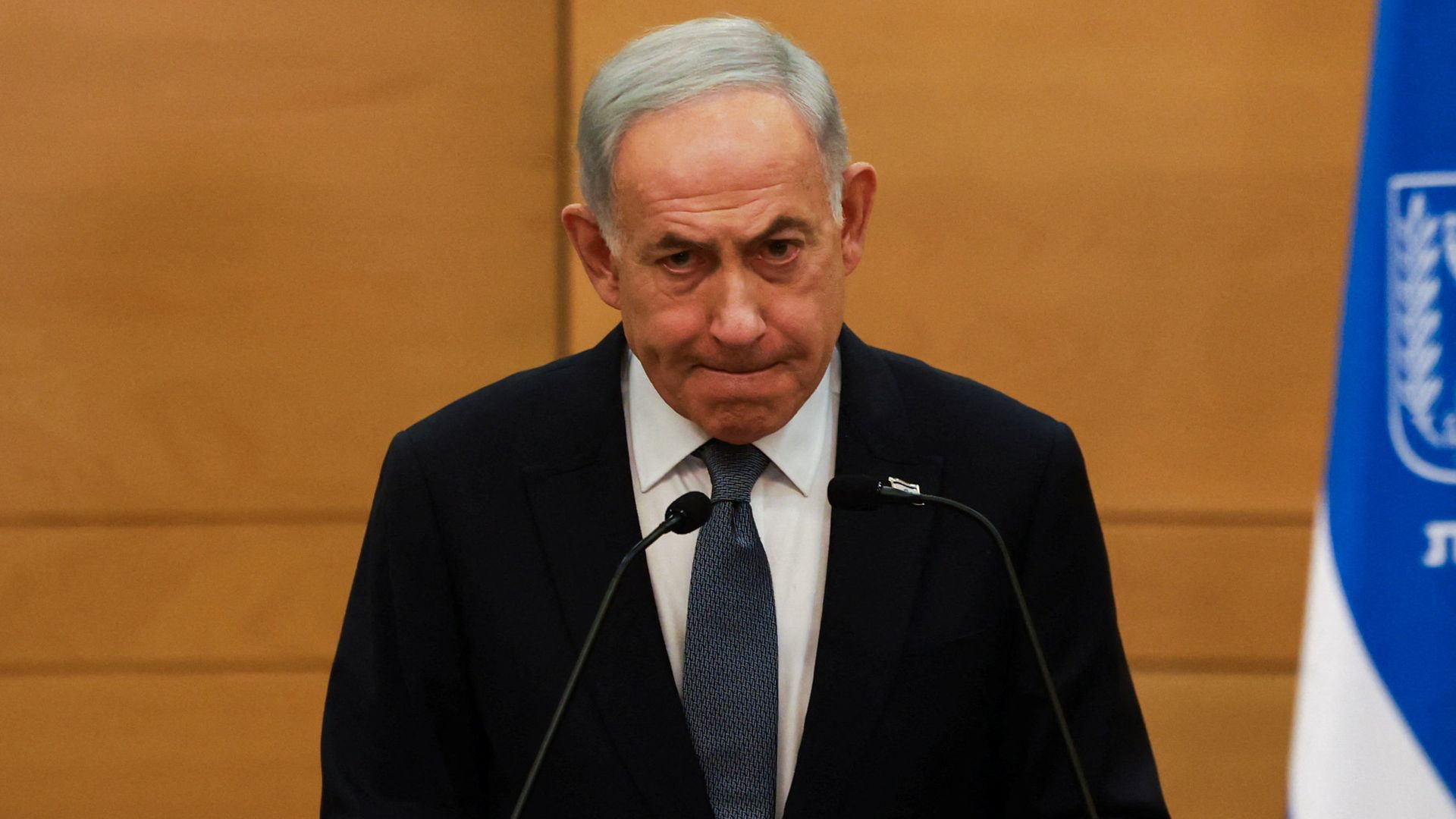
Benjamin Netanyahu offers to step down on paper, promising to let former military chief Gadi Eisenkot take the prime minister's chair first in a unity government. Sounds generous. Almost statesmanlike. Except anyone who has watched Israeli coalition math over the past decade knows that when a prime minister offers to step aside right before an opponent's coalition deadline, you don't celebrate—you check for traps.
Let's be honest about what just happened on Saturday, November 28, 2026. After an inconclusive October election that left no bloc with a clean 61-seat Knesset majority, Eisenkot has been scrambling to lock down a coalition before his December 6 deadline. Netanyahu's Likud party pulled in roughly 250,000 more votes than Eisenkot's political force, yet Netanyahu lost his prior majority and watched momentum shift toward the opposition. Suddenly, Netanyahu says unity is the need of the hour and proposes a rotational government—Eisenkot goes first as prime minister, Netanyahu serves as alternate prime minister, and they swap later.
A basic breaking-news summary treats that offer at face value. That's a mistake. You have to look at leverage, timing, and past bruises.
Why Netanyahu's Step-Down Offer Raises Eyebrows
Political timing in Jerusalem rarely happens by accident. Eisenkot was already moving toward swearing in a government next week, backed by a diverse set of parties and looking to break Netanyahu's hold on power. When a leader with shrinking options dangles a rotational deal at the eleventh hour, you have to ask who actually benefits from slowing down the clock. To explore the bigger picture, we recommend the excellent analysis by Reuters.
Look at the mechanics of a rotation agreement. Once you put a prime minister's seat on a timer, you introduce friction into every cabinet decision, every legislative vote, and every security file. Critics and rival politicians—including figures like Avigdor Liberman—have already warned that moves like this can serve as a ploy to stall coalition-building or trigger another election down the road. Even if Netanyahu's stated reason is national security and unity, the practical effect is forcing Eisenkot to negotiate with Netanyahu rather than govern around him.
There is also a deeper credibility problem. Many in the anti-Netanyahu camp still remember Benny Gantz's rotation deal with Netanyahu years ago and how messy that turned out when promises collided with political survival. Trust is cheap in campaign speeches and brutally expensive in coalition agreements. If you've been burned once by a "you go first, I'll go second" arrangement, you read every clause twice.
What Rotation Deals Actually Change in Coalition Math
A rotational prime ministership isn't just a scheduling tweak. It changes who holds veto power over ministries, judicial appointments, and legislative timelines.
If Likud joins a unity framework in exchange for a second-half rotation, Netanyahu stays inside the decision-making loop instead of sitting on the opposition benches. For a seasoned political survivor, being inside the room beats being outside any day of the week. You can shape policy, test coalition fault lines, and keep your base rallied around security threats.
What People Are Asking Right Now
When a story like this breaks, readers usually jump straight to a few practical questions. Here's how the pieces fit together based on reporting from outlets like The Times of Israel, The Jerusalem Post, and NPR:
- Is Netanyahu actually retiring? No. Offering to serve second in a rotation isn't retirement—it's a conditional step back that keeps him in the top tier of power. If Eisenkot's talks collapse, Netanyahu stays right where he is.
- Why did Eisenkot agree to meet? Refusing a public offer on unity makes you look rigid; testing it makes you look serious. Eisenkot indicated he's willing to test Netanyahu's sincerity with fast-tracked talks, while keeping his own coalition track moving.
- Does this solve Israel's coalition deadlock? Not automatically. Eisenkot still has to bridge deep ideological gaps among potential partners, navigate thorny issues like ultra-Orthodox military exemptions, and decide whether bringing Likud in helps stability or creates gridlock.
- Could this lead to another election? Yes, and that risk hangs over every move. If a fragile coalition forms and fractures—or fails to form before the deadline—voters could be dragged back to the polls.
Where the Real Leverage Lies
From years of following coalition horse-trading, one rule stands out above all others: the side with a viable path to 61 seats holds the real leverage, not the side making dramatic public appeals.
Netanyahu has reason to want a deal before Eisenkot locks in a government without him. Once a rival coalition is sworn in, Netanyahu drops to the opposition, losing executive levers and leaving his far-right allies out in the cold. Making a high-profile offer to let Eisenkot lead first is a classic way to frame himself as the reasonable unifier while trying to pry open negotiations.
At the same time, we shouldn't pretend Eisenkot has an easy road either. Putting together a broad or diverse coalition after a polarized election is like building a bridge while people are still arguing over the blueprints. Even if Eisenkot forms a government on his own, keeping it stable through major security and domestic tests will be grueling.
What to Watch Next
If you want to cut through the spin over the next few days, ignore the grand speeches about "unity" and watch concrete mechanics instead:
- Track the Sunday meeting and negotiation pace. Watch whether talks produce real compromises on cabinet powers and legislation, or just stall tactics ahead of the December 6 deadline.
- Watch Eisenkot's core bloc. See if his existing partners hold firm on their own coalition track or start shifting terms in response to Likud's pitch.
- Look at the Knesset vote math. A deal only matters if it commands real Knesset backing and survives day-to-day legislative votes without constant blackmail from fringe factions.
Netanyahu's offer to step aside first isn't the end of the story. It's the opening gambit in a high-stakes endgame—and if you're watching closely, you'll judge it by the fine print, not the headline.
Israeli Opposition Backs Gadi Eisenkot To Replace Him As PM
This video provides helpful context on the parliamentary deadlock and opposition push to unseat Benjamin Netanyahu in favor of Gadi Eisenkot.