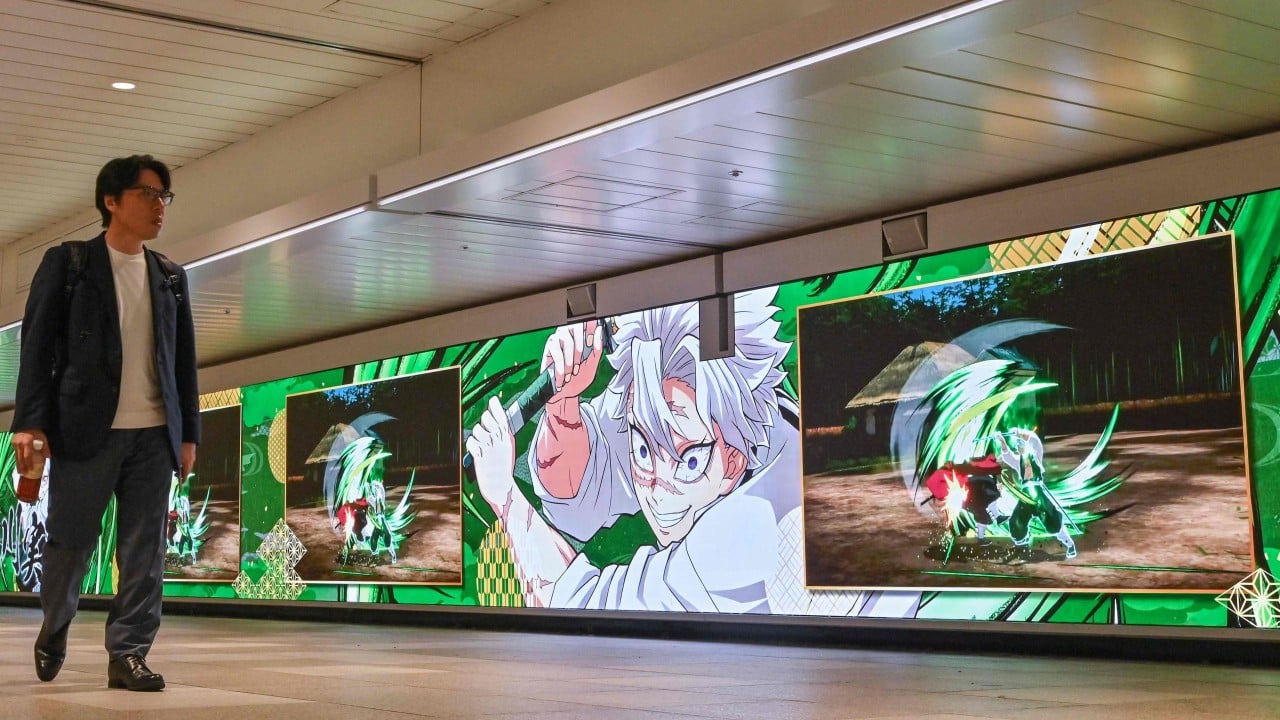
For years, the phrase "Cool Japan" evoked a specific image of government-backed PR campaigns, quirky mascots, and high-minded state grants aimed at selling overseas audiences on manga, anime, and traditional crafts. It also evoked billions of yen in losses.
The original public-private investment vehicle, plagued by write-offs and poor commercial returns, is being dismantled. Tokyo is trading vague cultural diplomacy for hard-nosed economic strategy. The Ministry of Economy, Trade and Industry (METI) has rolled out a sweeping strategy to overhaul state backing for anime, video games, and creative content.
If you think this is just bureaucratic shuffling, look closer. Japan wants its content exports to hit 20 trillion yen by 2033. To get there, they're tightening the purse strings, changing who gets funded, and demanding actual financial accountability.
The Death of Vague PR and the Rise of Financial Rigor
The old system had a fundamental flaw. It treated creative works as cultural ambassadors rather than high-performance commercial assets. Millions flowed into projects based on prestige, leaving creators and production studios dependent on the rigid Japanese production committee system. Under that traditional setup, external investors shared risks while creators frequently missed out on the long-term upside of global streaming booms.
The new approach shifts away from loose subsidies toward structured financial tools like completion bonds, data-backed valuations, and revenue-sharing syndicates. Government-backed bodies are adopting a command-hub model to streamline funding across ministries, but with a catch. Studios and developers cannot just pitch a nice artistic concept anymore. They need to prove market viability, data tracking, and clear pathways to overseas returns.
This pivot reflects a hard truth. Global demand for anime and video games has never been higher, yet Japanese firms routinely capture a fraction of the downstream revenue compared to foreign streaming giants and major tech platforms.
Fixing the Real Bottlenecks in Anime and Games
METI's modern framework targets specific structural leaks that have hobbled the industry for decades.
- High Production Uncertainty: Underinvestment in early-stage work has forced creators into conservative choices. New financing mechanisms aim to bridge the gap before production even starts.
- Platform Dependence: Japanese publishers and anime studios have traditionally seen only ten to twenty percent of overseas digital sales revenue, losing the rest to foreign distribution channels.
- Rampant Piracy: Unlicensed streaming and illegal translation sites siphon off an estimated 10 trillion yen annually. Enhanced funds are directing real resources toward tracking and crushing cross-border piracy networks.
The strategy also leans heavily into data infrastructure. Instead of letting banks guess what a game or anime series might earn, the new system uses historical box office data, director metrics, genre performance, and algorithmic forecasting to evaluate risk accurately.
What This Means for Creators and Studios
If you work in entertainment or follow the business side of media, you're watching a massive power shift. Independent animation houses are testing direct equity models, keeping copyrights in-house rather than handing them entirely to committees. Game developers are finding fewer blank-check state grants and more pressure to build scalable global franchises from day one.
The government is essentially forcing the industry to grow up. State funding is no longer a safety net for mismanaged projects. It's a strategic lever designed to turn creative output into a dominant economic engine.
The era of throwing money at abstract soft-power initiatives is over. Japan is treating anime and games like the heavy industry they've always been.