Over four hundred million hours watched in a single week. Read that number again.
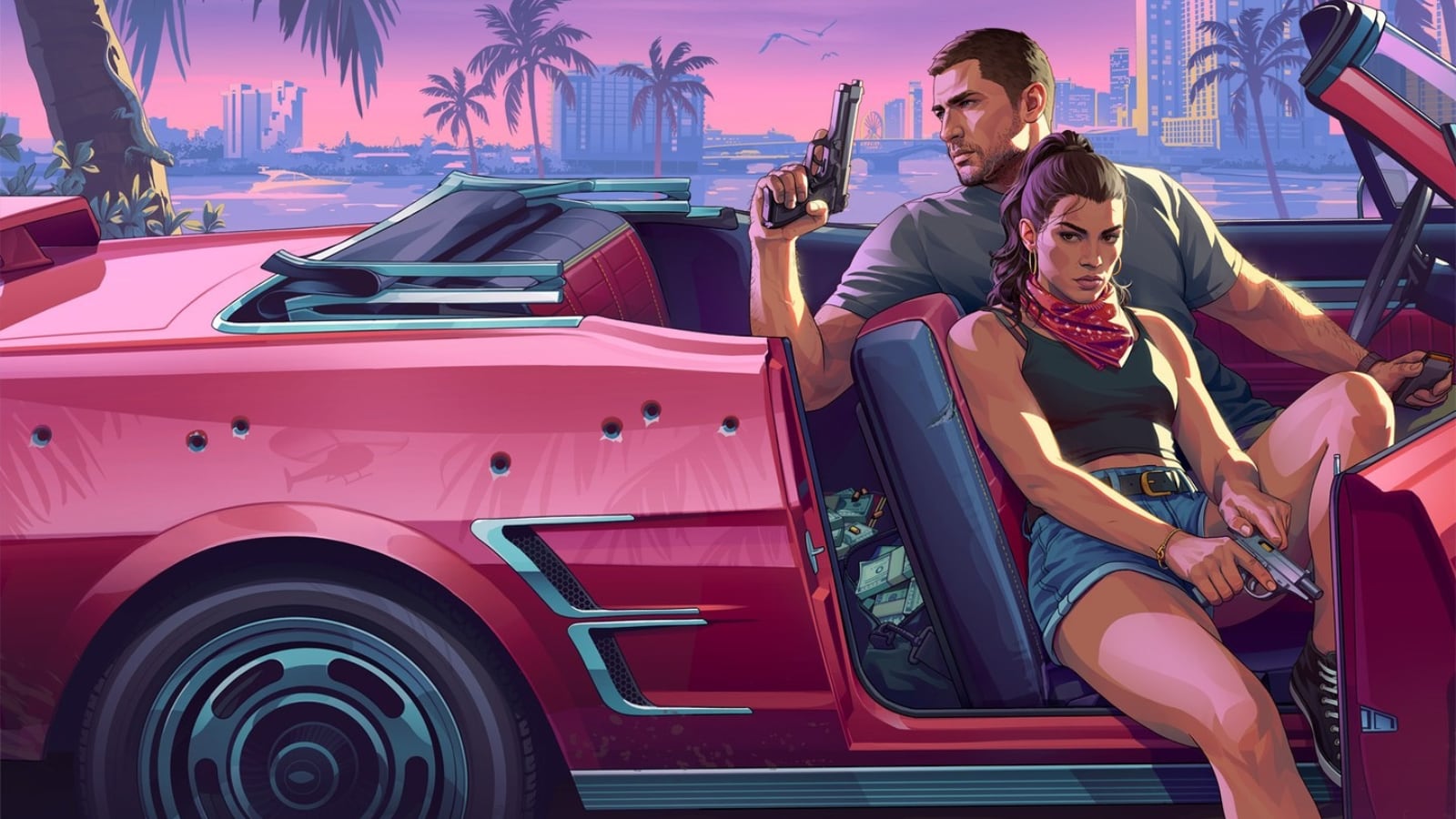
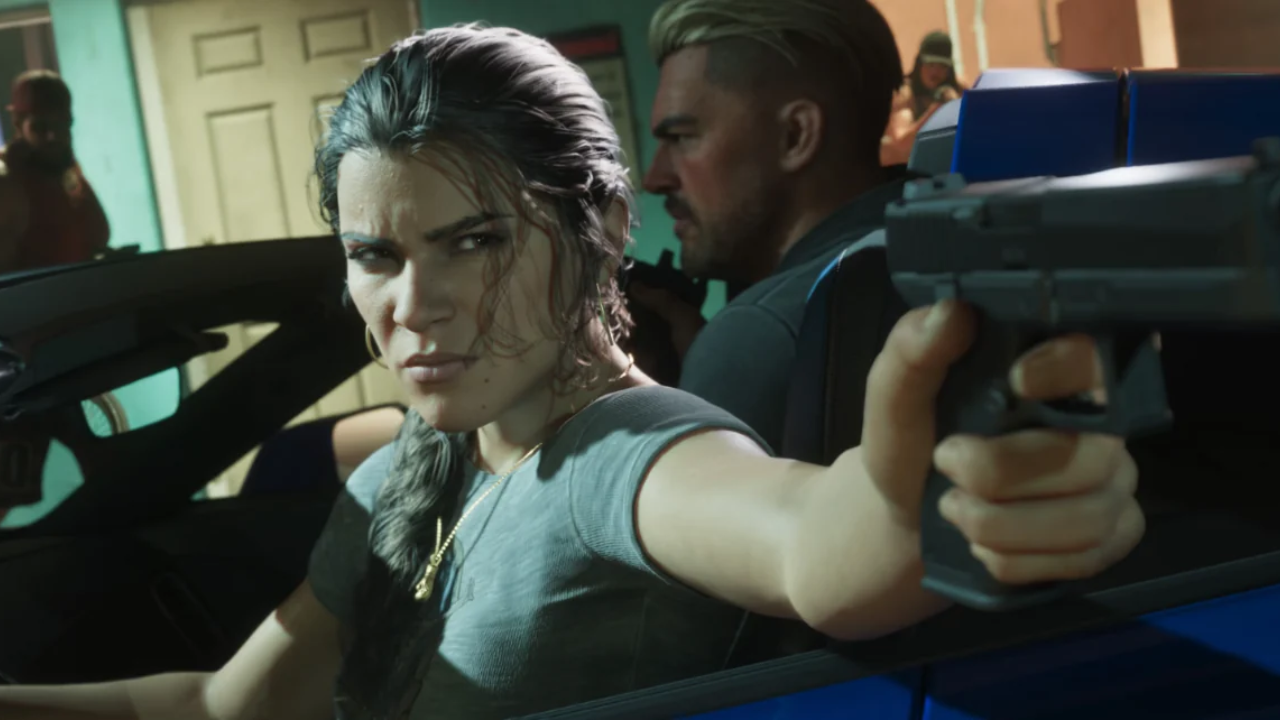
When GTA 6 arrived in mid-November 2026, it didn't just win opening week on Twitch, YouTube, and Kick. It blew past the combined launch watch time of Valorant, Elden Ring, and Diablo 4—and still had room to spare. According to data compiled by Streams Charts and covered by outlets like Eurogamer and The Guardian, Rockstar's long-awaited return to open-world crime pulled in over 420 million hours watched during its first seven days, nearly tripling the previous launch-week benchmark set by Valorant's April 2020 closed beta.
I've watched plenty of hyped launches turn into twenty-four-hour sugar rushes that fizzle by Friday. This one didn't act like a normal release. Rolling regional unlocks kept the global broadcast wave alive hour after hour, pushing peak concurrent viewership across major platforms to roughly 7.91 million viewers. Honestly, if you thought single-player or story-driven blockbusters couldn't sustain massive live-stream retention the way competitive shooters or live-service grindfests do, the GTA 6 streaming launch just proved otherwise.
How GTA 6 Cleared the Combined Bar of Valorant, Elden Ring, and Diablo 4
Comparing a mega-launch against multiple hits sounds like a cheap trick until you look at how hard those rivals actually hit at release. Valorant had key-drop fever and competitive hype behind it. Elden Ring tapped into hardcore exploration and boss-rush suspense. Diablo 4 brought dark fantasy loot grinding and massive ARPG curiosity to millions of screens.
Put those together, though, and you're still looking at a different tier of cultural gravity. Thirteen years of anticipation between mainline entries creates a pressure cooker that ordinary sequels can't touch. People weren't tuning in just to see mechanics or patch notes. They wanted to watch the world breathe for the first time, spot familiar tones, and share reactions in real time.
Part of the advantage also comes down to sheer variety on screen. A linear shooter looks fairly similar from match to match. A sprawling open world gives creators chaos, pacing shifts, side detours, and unscripted moments that keep chat moving even when nothing major is happening on the main quest.
Why Viewer Numbers Aren't the Same as Player Counts
Here's the mistake I see analysts and fans make every time a big game blows up on Twitch or YouTube. High viewership is not a one-to-one mirror of active players.
Plenty of people watch streams because they don't own the right console yet, want to sample the tone before spending money, or simply prefer hanging out in a favorite creator's chat while eating dinner. Once players get their hands on the controller—especially with massive console adoption right out of the gate—some of those passive viewers turn into active players who stop watching streams for a while. Treat streaming hours as a measure of cultural attention and discovery, not a direct sales ledger.
What Happened Across Twitch, YouTube, and Kick
No single platform owned the moment on its own. Early on, regional unlocks and YouTube's massive reach helped drive huge initial concurrent numbers as time zones clicked over, while Twitch carried enormous total watch time across the week and Kick pulled substantial traffic across key regions and communities.
What stood out to me most wasn't just the giant numbers at the top. It was the long tail underneath them. Streams Charts noted that over a thousand channels hit new all-time personal peak viewership records while streaming GTA 6, with some jumping dramatically past their prior ceilings.
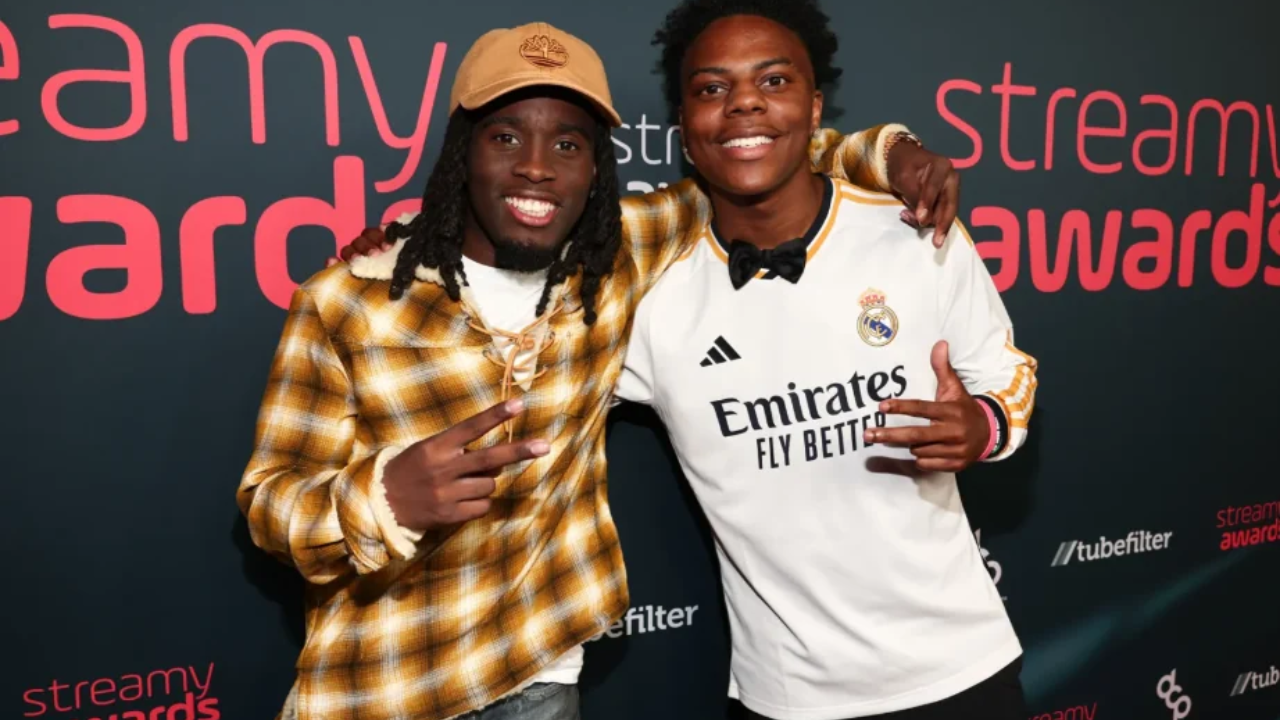
- Big household creators pulled massive scale: Names like TheBurntPeanut led overall watch time while marathon broadcasts from creators like IShowSpeed drew huge concurrent crowds, turning early discovery into nonstop live entertainment.
- Regional and language communities mattered: Global launches don't live in an English-only bubble anymore, and non-English broadcasts on Twitch, YouTube, and Kick accounted for a huge share of total hours watched.
- Under-25 viewers drove the surge: Data highlighted by IGN pointed to younger audiences making up over half of GTA 6 streaming watch time, reinforcing how short clips, chat culture, and creator personalities fuel discovery.
Uncomfortable Truths and Caveats Behind the Record
Records are fun to cheer, yet blind hype leads to bad decisions. If you're studying these numbers for marketing, content strategy, or industry forecasting, keep a few caveats front and center.
First, baseline comparisons aren't apples to apples. Valorant's 2020 surge happened during a closed beta window when access was restricted, and Lost Ark's western launch had regional limits. That doesn't shrink GTA 6's achievement—nearly tripling the old record is wild either way—but it does remind us why context matters when someone claims a game is "three times bigger" in every sense.
Second, launch-week spikes rarely hold at full volume for months. Every giant release experiences a gravity check once novelty cools, school or work schedules tighten, and other titles compete for attention. Assuming week-one streaming intensity is the new permanent floor for every game on the market is a quick way to misread audience behavior.
Finally, mega-launches can crowd out smaller games on the exact same day. When one title commands a huge share of live-streaming eyes, mid-sized indie or AA releases have to fight harder for oxygen unless their pitch is unmistakably distinct.
Practical Next Steps If You Stream, Create, or Market Games
If you're a creator or marketer trying to apply what this launch showed rather than just staring at the scoreboard, start with concrete moves.
- Pick a clear angle instead of generic coverage: Thousands of channels are live on day one. Decide whether you're offering calm exploration, sharp mechanical breakdowns, high-energy reactions, or community hangouts—and lean into what you can sustain for ten hours without sounding exhausted.
- Clip moments for discovery off the live stream: Live viewership gets people in the door, while short clips and edited highlights pull in people who missed the broadcast. Cut tight, funny, or surprising moments while the search and feed appetite is hot.
- Plan your post-hype runway early: Don't treat launch week as your entire calendar. Map out what happens in week three and week four when casual tourists move on and regulars decide who earned their loyalty.
- Separate hype metrics from business goals: If you're tracking campaign performance or community growth, pair raw hours watched with retention, click-throughs, returning viewers, and actual conversion rather than chasing vanity peaks alone.
Big launches remind us how loud the internet can get when anticipation finally pays off. Still, the real test isn't who wins hour one. It's who keeps showing up when the fireworks stop.