Walking home through Wan Chai after midnight feels safe until it doesn't. Neon lights glare off wet asphalt, traffic thins out, and pedestrians misjudge the split-second mechanics of Hong Kong's relentless transport network. Early Sunday morning, that urban risk turned violent on Hennessy Road. A British tourist couple in their fifties found themselves underneath the wheels of a cab right near Luard Road.
The 58-year-old driver got arrested. The headlines quickly focused on the handcuffs and the hospital sirens, but the incident exposes a recurring friction point between nighttime foot traffic and fast-moving commercial vehicles in Hong Kong's densest corridors.
What Actually Happened on Hennessy Road
The collision occurred around 1:46 AM. The taxi was moving down Hennessy Road toward Admiralty when it struck the two pedestrians at a designated crossing. Initial reports and police source breakdowns indicate the cab had a green traffic signal, and the couple stepped off the curb from the right side while heading out to meet friends for late-night drinks. Subsequent checks confirmed neither person had alcohol in their system.
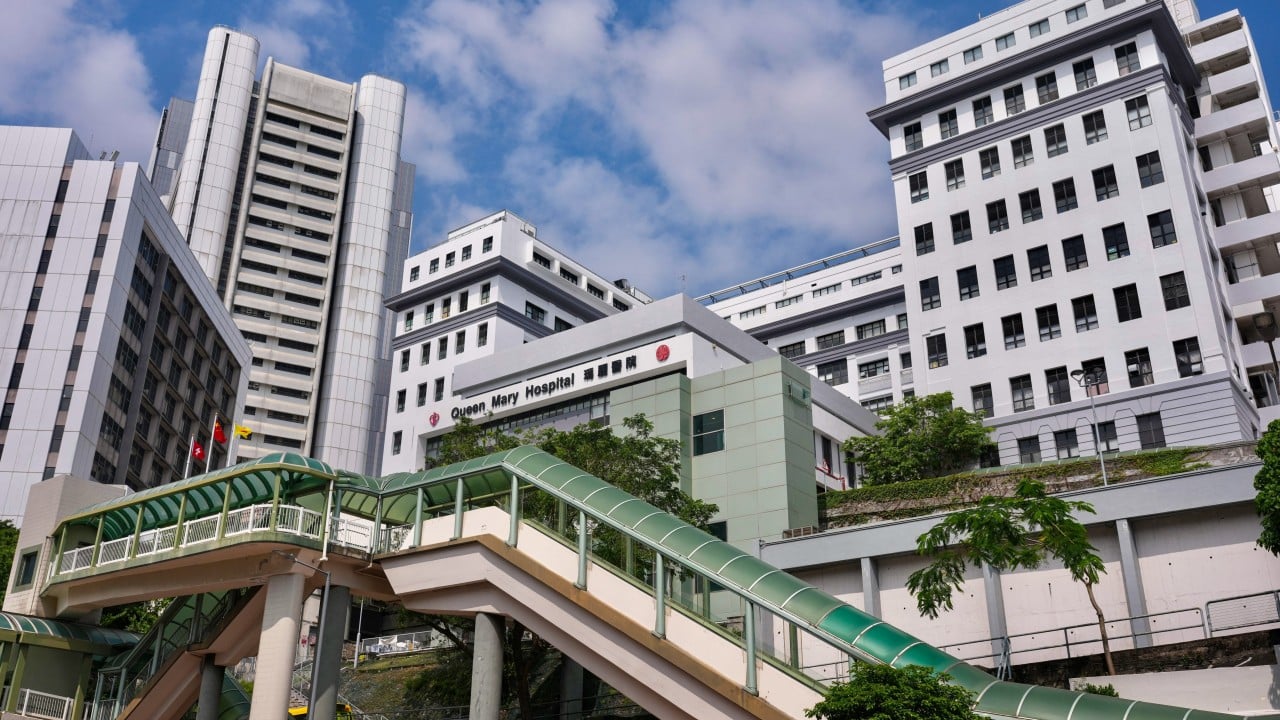
The impact shattered the taxi's windshield in a heavy spiderweb pattern, leaving blood on the road. The male victim sustained severe head and facial injuries, leaving him semi-conscious, while the female victim suffered facial trauma while remaining conscious. Both were rushed directly to Queen Mary Hospital for emergency intervention. More information into this topic are detailed by The Washington Post.
The Dangerous Geometry of Wan Chai Crossings
Anyone who spends time navigating Wan Chai knows the psychological trap of its multi-lane thoroughfares. Hennessy Road is wide, noisy, and deceptive at night. When vehicle volume drops, drivers tend to maintain higher speeds between lights. Pedestrians accustomed to quieter European or Western streetscapes often miscalculate how fast local cabs clear blocks.
Hong Kong's taxi fleet operates on extreme time pressures. Shift targets push drivers to maximize fares during peak and late-night hours, which can degrade reaction times during sudden pedestrian crossings. Even when signals favor the vehicle, visibility issues, heavy glare from overhead neon signage, and dark clothing create lethal blind spots.
Safety Realities for Late-Night Visitors
If you're walking around nightlife districts like Wan Chai or Causeway Bay after dark, you have to throw out your usual pedestrian instincts. Local traffic moves fast, and right-hand drive orientation means your brain's default check pattern—looking left first—is backwards.
- Assume drivers don't see you: Even with a green walking man, never step off the curb until wheels come to a complete stop.
- Watch the blind spots: Taxis accelerate hard out of intersections.
- Stay off phone distractions: Nighttime street noise masks the sound of approaching vehicles.
The legal fallout for the driver will wind through the courts, but legal penalties won't fix the underlying design flaws of high-speed urban arterial roads cutting through pedestrian-heavy entertainment zones. Until street designs slow vehicles down naturally, late-night accidents on roads like Hennessy will keep happening.
Hong Kong protesters smash taxi with sticks in Wan Chai
This archival footage from Wan Chai provides context on how volatile traffic management and street confrontations have historically played out in this exact neighborhood.