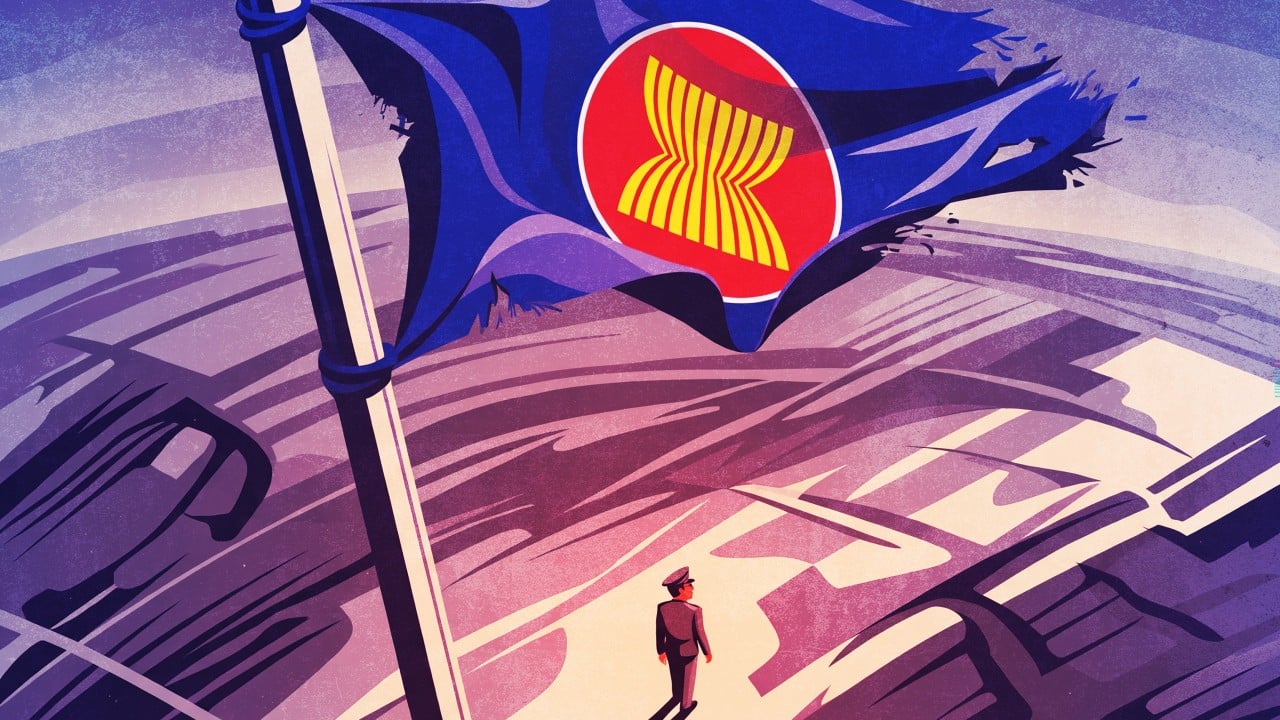
Myanmar threatening to leave Asean sounds dramatic on paper. Honestly, it's mostly posturing.
After the International Court of Justice ruled on November 19, 2026, that Myanmar committed genocide against the Rohingya, pressure on Naypyidaw spiked again. Days later, President Min Aung Hlaing told parliament that Myanmar was reviewing its ties with the Association of Southeast Asian Nations, while the foreign ministry complained that Asean's summit statement was unfair and warned Myanmar could struggle to follow charter principles if treated that way.
Let's be real about what's happening here. Asean has blocked Min Aung Hlaing from top summits for years while dangling a slow, conditional path back to full political representation. Min Aung Hlaing wants dignity, recognition after Myanmar's post-coup elections held between December 2025 and January 2026, and relief from regional pressure. Walking out completely would hurt him far more than it would hurt Jakarta, Kuala Lumpur, or Manila.
What People Miss About Myanmar Asean Exit Talk
When headlines talk about Myanmar leaving Asean, people picture a clean divorce. That's not how regional diplomacy works on a shared border.
Myanmar shares long frontiers with Thailand and connects directly to regional trade routes, energy lines, cross-border crime hubs, and refugee flows. Even when Asean keeps top political doors shut, working-level contact never stops. Right after the November 2026 summit tensions, Asean's secretariat still met with Myanmar officials on disaster management under the AADMER Work Programme for 2026–2030.
Min Aung Hlaing knows that. He didn't announce a formal exit. He announced a review while saying bilateral consultations with individual member states would keep going. That phrasing matters. Threatening a review gives him domestic and diplomatic leverage without burning every bridge at once.
I've watched regional crises drag on for years across Southeast Asia, and one mistake analysts keep making is treating public anger as a binding policy. Governments bluff. They leak frustration. They warn about sovereignty and charter principles. Then, when border security or trade comes up on Tuesday morning, they pick up the phone anyway.
Why Walking Away Would Backfire on Naypyidaw
If Myanmar actually quit Asean, who benefits? Beijing and Moscow might welcome a weaker regional bloc, though even China has complicated headaches with Myanmar's conflict, border instability, and fallout from the ICJ verdict. Meanwhile, Myanmar's military-backed administration would lose its main institutional foothold inside Southeast Asia.
Right now, Min Aung Hlaing is trying to claw back legitimacy after taking the presidency in April 2026 following contested elections. Asean's November 2026 summit review opened a narrow door for gradual, phased political return if tied to progress on the
Critics on the other side argue Asean already goes too soft. Human rights groups and observers have long pointed out that keeping engagement alive—or letting lower-level officials attend meetings—can make the military look more normal than it is. Both sides are unhappy, which is usually what happens when a regional bloc tries to balance principle against geography.
The ICJ Genocide Ruling Changed the Mood, Not the Math
The November 19, 2026 judgment from the International Court of Justice was a massive legal milestone. The court found Myanmar responsible as a state for genocide against the Rohingya during the 2017 military crackdown, ordering cessation of violations, investigations, reparations, and safe returns.
Still, legal rulings and political enforcement are two different beasts. The ICJ doesn't have a police force. Any push for coercive UN Security Council enforcement faces predictable vetoes from China and Russia. And on the ground in Rakhine State, the Arakan Army controls much of the territory, complicating any talk of smooth, safe returns.
For Min Aung Hlaing, the verdict adds political stain and fresh sanctions pressure—like Britain's sanctions moves following the ruling—right when he wants to look like a normal head of state. Pushing back against Asean lets him frame himself as a victim of unfair gang-up tactics rather than a leader answering for atrocities.
What Asean Actually Gets Wrong Here
Asean's Five-Point Consensus has stalled for five years because it treats Myanmar's conflict like a neat diplomatic dispute between tidy states. It isn't. Fighting stretches across multiple fronts, resistance forces and ethnic armed groups hold huge swathes of ground, and border towns wrestle with scam compounds, toxic mining runoff, and displaced people.
Demanding instant, sweeping breakthroughs before any thaw often leaves Asean looking stuck in neutral. Yet swinging too far toward normalization without real accountability would hollow out whatever credibility Asean has left.
That's the bind. Asean can't expel Myanmar easily without losing leverage over border crises, and Myanmar can't quit Asean easily without isolating itself even further in its own neighborhood.
Practical Next Steps If You're Tracking This Crisis
Don't rely on tough speeches from Naypyidaw or stiff communiques from Asean summits to tell you where things are heading. Watch the working-level moves instead.
- Track technical and humanitarian meetings: Check ASEAN's official news portal to see which ministries still meet on disaster relief, health, or transport even when political representation stays blocked.
- Read primary legal and policy analysis: Follow International Court of Justice case updates alongside policy notes from regional think tanks like the Stimson Center or RSIS to separate legal obligations from actual enforcement limits.
- Watch border realities over diplomatic spin: Pay attention to Thai-Myanmar border developments, displacement trends, and Rakhine control dynamics, because ground facts shape Asean policy far more than angry speeches in parliament.



