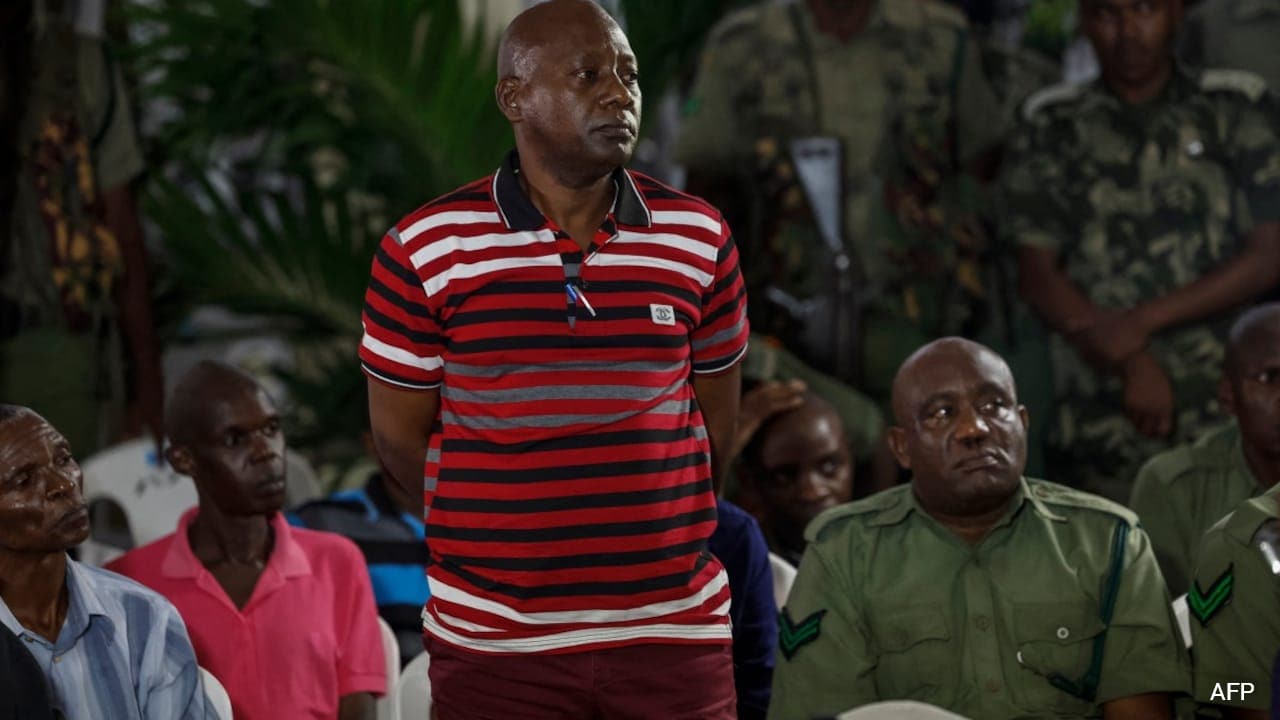
The grim reality of modern doomsday groups hit global headlines once again as Kenyan courts handed down more heavy convictions in the wake of one of the deadliest mass atrocities in recent history. Paul Mackenzie, the self-proclaimed pastor behind the Good News International Church, faced yet another courtroom defeat when a judge in Mombasa found him guilty of manslaughter for the deaths of 123 followers.
If you followed the initial shock back in 2023, you already know the basic outline. Followers isolated themselves in the remote Shakahola Forest on Kenya's coast, obeying commands to fast until they starved to death. The goal? To "meet Jesus" before an impending apocalypse. But looking past the sensational headlines reveals a chilling blueprint of how extremist leaders manipulate vulnerable populations right out in the open.
How the Shakahola Forest Horror Unfolded
Mackenzie didn't start out running a massive woodland compound. He spent years operating a low-profile ministry, slowly building a dedicated base by exploiting religious fervor and economic anxieties. When he relocated his flock to the 800-acre tract in the Shakahola Forest, he divided the settlement into makeshift zones with biblical names like Jerusalem and Judea.
That division wasn't just aesthetic. It was part of a rigid psychological isolation strategy. Experts at The Washington Post have provided expertise on this trend.
Survivors and investigators later detailed a strict phasing system for the starvation. Children were targeted first, followed by women and young men, and finally the remaining adults. Those who tried to escape or hesitated to complete the deadly fast faced brutal consequences, including being beaten or strangled. Post-mortem examinations later confirmed that while starvation claimed dozens of lives, others died from blunt-force trauma or asphyxiation.
The Legal Aftermath and Accountability
The recent manslaughter conviction is only one piece of a massive judicial reckoning. Mackenzie was already sentenced to 200 years in prison following a separate murder conviction involving 191 children. Additional rulings have targeted him for child cruelty, assault, terrorism-related offenses, and organized criminal activity. His wife, Rhoda Mumbua Maweu, and dozens of co-accused individuals have faced severe legal penalties as well.
Yet, the legal battles highlight deep systemic failures. Critics point out that local authorities had previously arrested Mackenzie on multiple occasions over radicalization and child welfare violations years before the mass graves were uncovered. Each time, he slipped through the cracks of a regulatory system unequipped to monitor rogue religious organizations effectively. Kenyan President William Ruto publicly acknowledged that the state shared blame for failing to intervene before the death toll climbed past four hundred.
Why Dangerous Cults Keep Finding Victims
It's easy to wonder how hundreds of people walk willingly into a lethal trap. The answer lies in the erosion of standard safety nets. When communities face severe poverty, lack of institutional trust, and social isolation, charismatic figures step into the vacuum. They offer absolute certainty in an uncertain world, weaponizing faith until personal agency completely vanishes.
Governments across East Africa are now forced to rethink how they oversee unregistered religious movements. Protecting citizens from predatory leaders requires more than reactive criminal trials after mass casualties occur. It demands proactive community awareness, tighter financial tracking of fringe organizations, and immediate intervention when groups cut off contact with the outside world.
Take a close look at how red flags are handled in your own community networks. Recognizing the early warning signs of isolation and psychological control remains the single best defense against the next tragedy.



