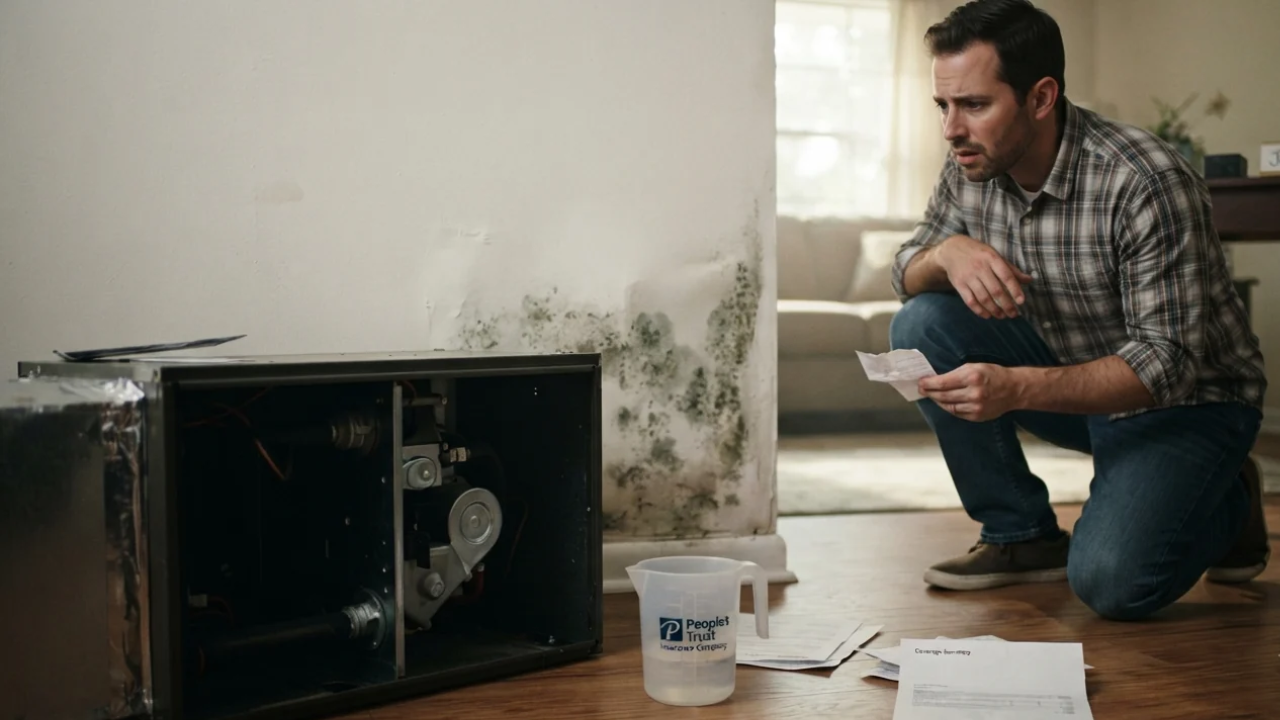
Borrowing costs are going up again, and if you thought the era of cheap money was coming back, you've got another thing coming. The Bank of England just pushed its base rate to four percent, marking the first rate hike in over three years. For millions of households trying to catch a break after years of brutal price spikes, this stings.
Eight members of the Monetary Policy Committee voted for the shift from 3.75%. Catherine Mann wanted an even sharper half-point jump. They aren't doing this for fun. Global energy markets are completely broken due to the ongoing conflict in the Middle East, keeping oil stubbornly high and forcing central bankers to slam the brakes on the economy.
Let's look at what's actually happening beneath the headlines.
The Oil Shock That Broke the Blueprint
For months, economists predicted rate cuts. People wanted relief. Mortgage holders expected breathing room. Then reality hit. Because crude oil stayed persistently above one hundred dollars a barrel with no quick fix for the Strait of Hormuz, inflation projections completely unraveled.
The Bank now expects UK inflation to spike to 4.9% by the middle of next year. That's a massive leap from previous forecasts. When energy costs explode like this, businesses can only absorb the pain for so long through hedges before they pass every penny down to consumers.
Governor Andrew Bailey didn't sugarcoat it. He left the door wide open for another hike in the near future. While recent US midterm election shifts triggered a temporary drop in global oil prices, Bailey made it clear that a single 48-hour dip isn't enough to change monetary policy. Unless the geopolitical crisis cools down permanently, borrowing costs will stay on an upward trajectory.
What This Means for Your Mortgages and Bills
If you're sitting on a variable-rate mortgage, your monthly payments are about to get heavier. Fixed-rate deals priced over the last few weeks already baked in much of this bad news, but lenders are pricing risk aggressively right now.
Energy bills are heading in the wrong direction too. The Ofgem energy cap is projected to climb significantly in January, jumping from an average of £1,723 up to £2,150, with more pain expected by April. Food price inflation isn't slowing down either, tracking toward nearly five percent by mid-2027.
Politicians are trying to cushion the blow. Recent fiscal announcements included targeted energy payments for millions of households, a continued freeze on fuel duty, and VAT cuts on electricity. Officials claim these measures will shave a fraction off inflation down the road. But for families staring down higher loan repayments right now, government subsidies feel like putting a band-aid on a broken bone.
How to Protect Your Finances Today
You can't control what central bankers or foreign governments do, but you can control your own balance sheet.
Stop waiting for interest rates to plunge back down to historic lows anytime soon. That financial environment was an anomaly, not the baseline. Lock in what you can if you're facing mortgage renewals, pay down expensive revolving debt immediately, and build a cash buffer that yields a decent return while high base rates persist.
Review every recurring household subscription and energy contract this week. Cut the fat before external pressures make the choice for you. The window to shore up your personal finances is closing fast.