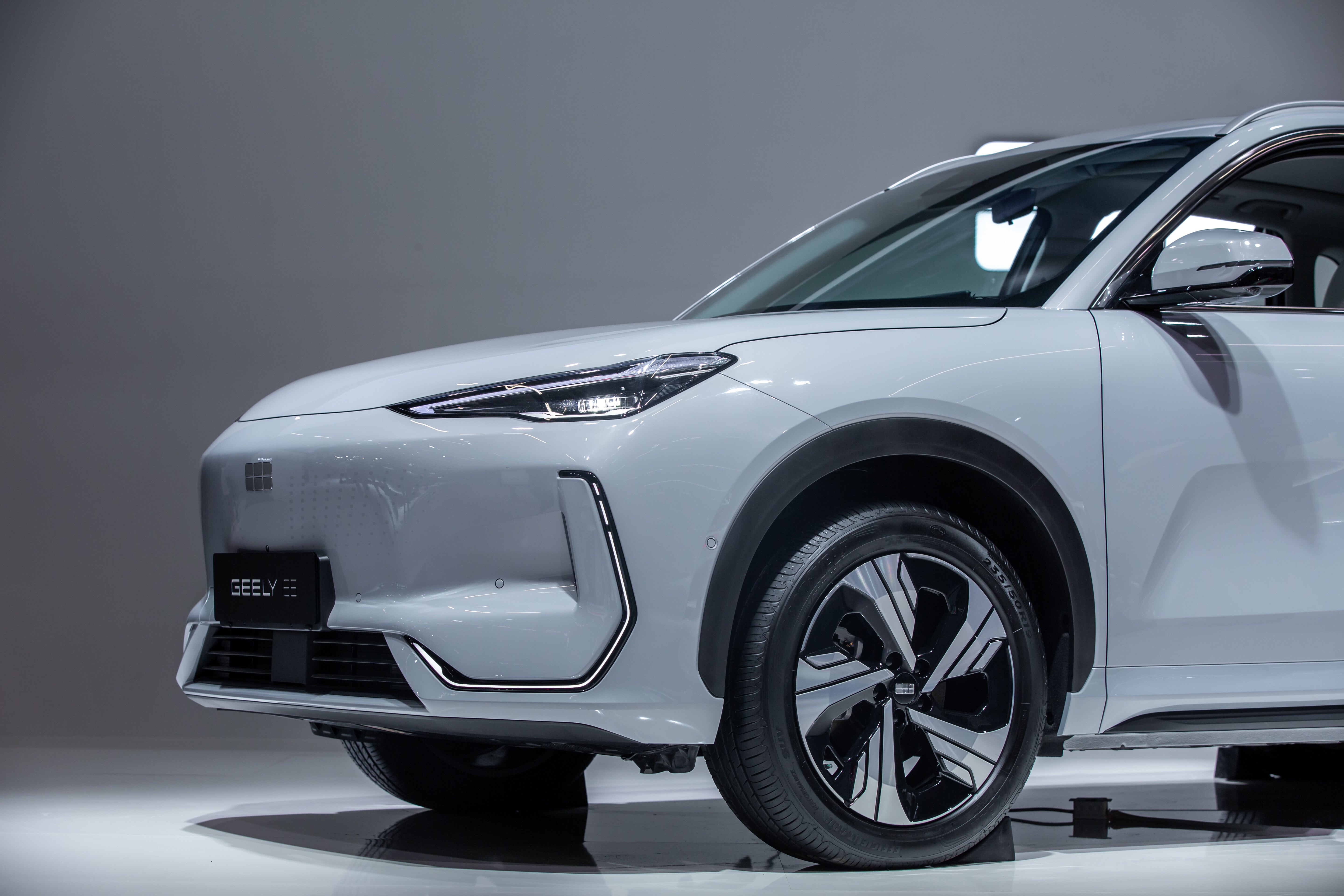
Browsing the Financial Times link hit a paywall, so I couldn't read the competitor's exact phrasing directly. Still, the topic is crystal clear. Geely wants to more than double its UK car sales even as trade barriers hang over Chinese electric and hybrid imports.
That ambition sounds bold on paper. On the ground, it's a high-wire act.
I've spent years watching automakers try to crack the UK market without getting crushed by currency swings, dealer bottlenecks, or shifting policy. Britain isn't an easy place to scale fast, especially when tariffs and regulatory friction sit right in your path.
Here's the short answer on why Geely is pushing so hard anyway. The UK remains one of Europe's largest car markets, right-hand-drive demand suits exported models without endless re-engineering, and buyers care far more about monthly payments and range than geopolitical headlines. For another perspective on this event, refer to the latest coverage from Business Insider.
Why Geely Wants Bigger UK Sales Growth Right Now
Look at the broader picture and Geely's push makes sense. Home-market competition in China has turned into a brutal price war where margins get squeezed from every angle. Exporting higher-value vehicles into markets like Britain gives a carmaker room to breathe.
Geely isn't a tiny startup trying to figure out how to build a door hinge. It already owns or holds major stakes in familiar names across the automotive world, including Volvo Cars, Polestar, and Lotus, alongside its core Geely passenger car brands. That heritage helps, even when buyers don't consciously connect the dots.
Most shoppers in a showroom aren't reading trade policy briefs. They look at trim levels, cabin tech, warranty length, and whether the car fits a rainy school run in Manchester or a long haul down the M4. If a Chinese-backed brand undercuts legacy rivals on equipment while feeling solid on the road, people notice.
- Right-hand-drive scale: Because the UK uses right-hand drive, winning share here gives brands a dedicated English-speaking testing ground for features, charging habits, and fleet expectations.
- Portfolio depth: Having multiple brands under one wider corporate umbrella lets Geely test different price points and styling directions without betting everything on one badge.
- EV and hybrid appetite: Britain's zero-emission vehicle mandates push carmakers and fleets toward electrified models, even when consumer demand has occasional wobbles.
Still, doubling or more than doubling volume isn't just about shipping more boats to Southampton or Tilbury. It requires building trust with retail buyers and leasing companies that move thousands of cars at a time.
Trade Barriers and What Actually Threatens the Plan
Whenever Chinese automakers expand in Europe, trade friction is the first thing people bring up. The European Union has moved ahead with anti-subsidy tariffs on certain battery-electric vehicles built in China, raising the stakes across the channel. The UK hasn't simply copied every single EU tariff step-for-step, yet trade policy remains a moving target.
Tariffs aren't the only barrier that bites. Rules of origin, customs scrutiny, shifting government incentives, and potential retaliatory or protective moves can all change the math overnight. A model that looks competitively priced today can lose its margin edge if import duties rise or supply chains get tangled.
Honest truth? Many commentators treat tariffs like a single light switch that's either on or off. In reality, trade pressure works like sandpaper. It wears away pricing power, forces awkward spec compromises, or pushes automakers to rethink where final assembly or components come from.
There's also a practical risk around reputation and public scrutiny. Politicians and industry groups debate supply chains, data security, and fair competition. Even when a buyer likes the car, noise around trade policy can make some households hesitate or ask harder questions about long-term parts availability.
Tariff Math vs Showroom Reality
If an automaker gets hit with higher import duties, it faces a nasty choice. Eat the cost and watch profits shrink, or pass the cost on and risk losing the price advantage that brought shoppers in first.
Neither option is painless. Price hikes on newer brands are especially tricky because buyers already have familiar alternatives they know and trust. If a car costs roughly the same as a well-known rival, the pitch has to shift from "great value" to "why should I switch?"
What Most People Miss About Scaling a Car Brand in Britain
People who only read headlines often think selling more cars is just a logistics puzzle. Ship the cars, open a few showrooms, run some ads, done.
Anyone who has actually spent time around car dealerships or fleet buyers knows it doesn't work like that. Selling twice as many cars in the UK means fixing bottlenecks that don't show up in a press release.
- Parts and servicing: A single delayed bumper or sensor can turn a minor fender-bender into a six-week wait, and nothing kills word-of-mouth faster than a car sitting dead at a dealer.
- Residual values: Leasing companies and used-car buyers watch depreciation closely; if used values look shaky, monthly finance deals get more expensive.
- Software and local quirks: Voice assistants, navigation quirks, cold-weather battery behavior, and local charging networks all get judged harshly by British drivers.
Here's a common mistake I see newcomers make. They obsess over headline spec sheets—kilowatt-hours, screen inches, zero-to-sixty times—while underestimating how much British buyers care about ride comfort over broken tarmac, visibility in gray weather, and straightforward controls.
Fleet buyers add another layer. Corporate car schemes and leasing firms care about predictable maintenance costs, insurer group ratings, and dealer coverage across the country. Without strong fleet traction, hitting aggressive volume targets gets much harder.
How Geely Can Work Around Trade Friction
Doubling sales despite trade headwinds isn't impossible, provided Geely plays smart rather than relying on pure volume bravado. Smart automakers adapt their playbook when trade walls get higher.
Diversifying powertrains is one practical lever. Depending on how specific tariff rules are written and how buyer demand behaves, mixing battery-electric vehicles with hybrids or other drivetrains gives more flexibility than putting every egg in one basket.
Using regional production or multi-hub manufacturing footprints can also help ease exposure where applicable. When a group has manufacturing and engineering ties across different regions, it has more room to maneuver than a single-factory exporter.
- Lean into real-world value: Keep standard equipment generous without stripping out safety or comfort features that reviewers and buyers check first.
- Fix aftersales early: Stock critical wear-and-tear parts locally and train technicians before sales volumes spike, not after complaints pile up.
- Build clear brand identity: Don't make shoppers guess how one brand relates to another; give each badge a distinct reason to exist on the forecourt.
It's worth being candid about uncertainty here. Exact tariff rates, UK trade negotiations, and buyer appetite over the next few years aren't fixed in stone, and any growth target comes with real execution risk. Still, brands that survive tough markets are usually the ones that treat aftersales and pricing discipline as non-negotiable.
Practical Next Steps If You Are Watching or Buying
If you're tracking this story from an industry or market angle, stop looking only at monthly registration spikes. Watch fleet share, dealer network expansion, financing offers, and how aggressively prices move when trade rules shift.
If you're a car buyer eyeing a newer or Chinese-backed model in the UK, take a grounded approach. Book an extended test drive on real A-roads and rougher city streets, check insurance quotes before you fall in love with the trim, and ask straight questions about parts lead times and service intervals.
Finally, compare the monthly finance numbers and warranty terms side by side with established rivals rather than relying on list prices alone. A flashy spec sheet won't save you from high insurance or slow repairs, while a well-priced car with solid backing can be a genuinely smart buy.