Paul Chan isn't flying across Europe just to trade polite speeches in London and Amsterdam. He's trying to prove that Hong Kong can still pull top British and Dutch innovation and technology firms into a two-way corridor between Europe and mainland China.
Let's be honest. Plenty of boardrooms in Europe ask a sharp question right now: why route new R&D, biotech trials, or industrial tech through Hong Kong when companies can talk directly to Beijing, Shenzhen, or Singapore? Chan's pitch answers that bluntly. He argues that Hong Kong pairs common law and intellectual property protection with direct access to an 88-million-person Guangdong-Hong Kong-Macao Greater Bay Area and public capital markets.
Whether European executives buy that story depends on execution, not slogans. Still, the timing tells you a lot about what's shifting in global tech.
What Paul Chan Actually Pitched in London and the Netherlands
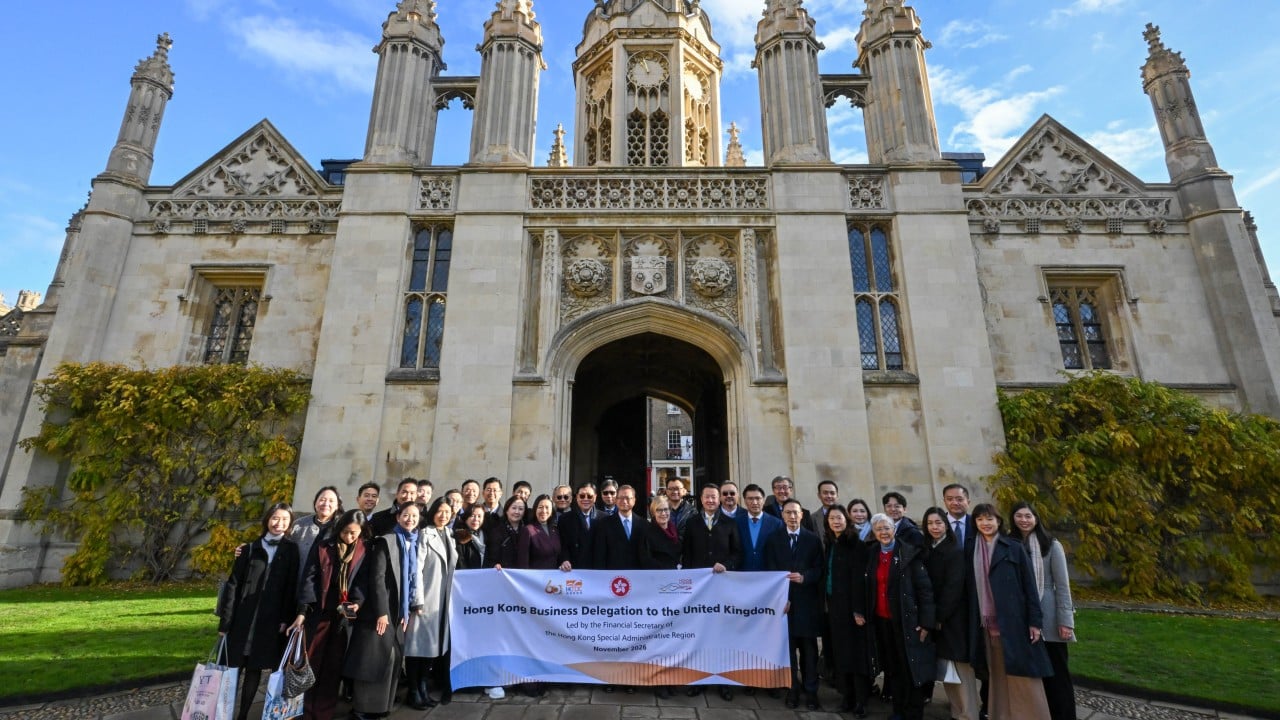
During his late-November 2026 European push, Financial Secretary Paul Chan Mo-po worked both sides of the North Sea with a very specific message. In London, he spoke at the Hong Kong-Europe Business Council and the Hong Kong Dinner, pressing UK firms on artificial intelligence, biotechnology, and the Northern Metropolis development. From there, he moved on to the Netherlands—Hong Kong's third-largest merchandise trading partner in the European Union—meeting Dutch officials in The Hague and touring the Centre for Human Drug Research in Leiden.
What makes his argument different from older "superconnector" talk is the direction of travel. Chan pointed out that mainland Chinese outward direct investment flow passed US$210 billion last year, with total stock hitting US$3.4 trillion—putting it in the global top three for nine straight years. Crucially, he said mainland firms aren't just shipping finished goods anymore. They're exporting industrial supply chains and full innovation capabilities, while European companies bring specialized engineering and energy tech back into China.
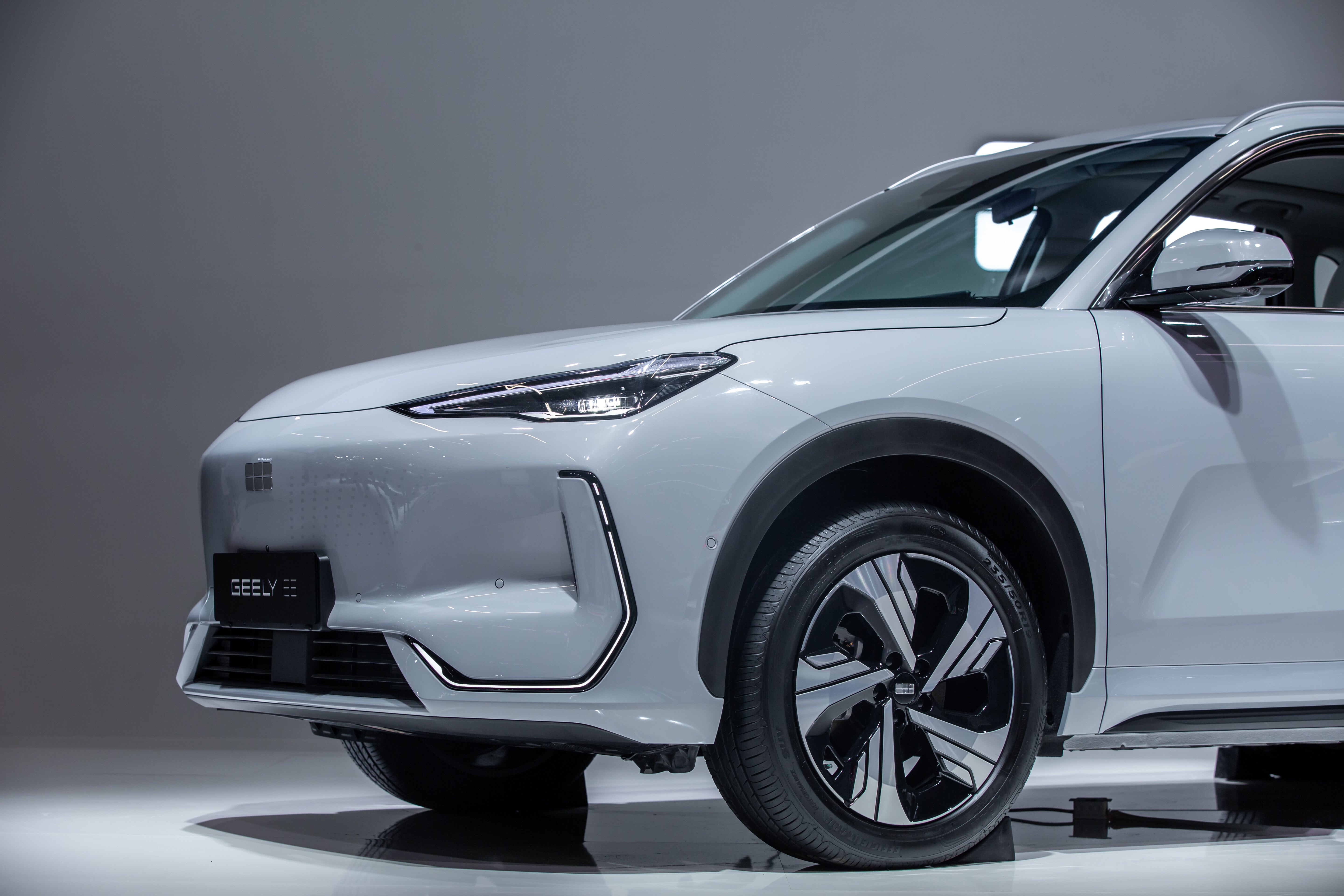
To back that up, he cited a British energy company working with a leading Chinese electric vehicle maker and bringing green electricity trading and optimization tools into the mainland. That's a concrete example, and honestly, it's the kind of real-world deal flow Chan needs to show if he wants skeptical European CFOs to pay attention.
Why Biotech and Clinical Trials Sit Front and Center
Biotech isn't a side note in this trip. It's the centerpiece. Chan noted that half of the world's top 10 pharmaceutical companies already run R&D centers or bases in Hong Kong, and he highlighted the Hetao Shenzhen-Hong Kong Science and Technology Innovation Cooperation Zone as a place gradually easing cross-border movement of data and biological samples.
Pair that with cross-boundary drug and medical device access into Greater Bay Area cities, plus Hong Kong's stated goal under its five-year plan to build up early-stage clinical trial capacity, and the pitch gets pretty clear. Leiden's clinical research model—where early human testing happens fast and rigorously—fits right into what Hong Kong wants to build at home.
Where the Northern Metropolis Fits In
If you've watched Hong Kong property and urban planning over the years, you know big master plans sound great on paper and take forever to turn dirt. The Northern Metropolis blueprint is designed to eventually house around 2.5 million people and create roughly 650,000 jobs near the border with Shenzhen.
Chan is pitching that space to European investors and tech operators as a physical landing pad close to mainland supply chains. Smart construction, modular building, AI applications, and green urban systems are all part of the conversation. Still, building a massive new urban and innovation zone isn't a quick flip. Companies moving capital there have to weigh multi-year construction timelines against near-term market demand.
Where the Pitch Holds Up and Where Friction Remains
I've watched plenty of cross-border trade missions over the years, and the biggest mistake companies make is treating a government briefing like a done deal. A warm speech in London or a lab tour in Leiden doesn't erase operational friction on Monday morning.
- Capital market depth vs. listing rules: Hong Kong has deep equity markets and an active push to refine listing pathways for tech and biotech firms. Yet founders still look closely at valuation multiples, liquidity, and cross-border investor appetite before committing to a listing or regional HQ.
- Cross-border data and sample rules: Even when zones like Hetao ease cross-border flows of data and biological samples, clinical researchers and enterprise tech teams deal with strict compliance, privacy, and regulatory rules on both sides. Moving samples or datasets across borders is rarely plug-and-play.
- Geopolitics and supply chain risk: UK and Dutch firms operate inside tighter export controls, screening rules, and board-level risk reviews than they did a decade ago. "Two-way flow" sounds great until a compliance officer asks how a joint project handles dual-use tech or IP boundaries.
- Real competition from rivals: Singapore, Shanghai, Shenzhen, and European hubs aren't standing still. If Hong Kong wants to win tie-breakers, its tax concessions, talent schemes, and grant programs have to beat alternatives on speed and clarity, not just brochure language.
Let's be fair to Chan's team, though. They brought practical ecosystem players along—including groups like Invest Hong Kong, Cyberport, the Hong Kong Applied Science and Technology Research Institute, the Hong Kong Productivity Council, and the Office for Attracting Strategic Enterprises. Having people who actually run incubators, R&D programs, and investor outreach in the room matters more than abstract diplomacy.
What This Means for Founders, Investors, and Operators
If you run a deep-tech startup, lead corporate strategy in Europe, or manage cross-border venture capital, you don't need to pick a side blindly. You just need to test whether Hong Kong solves a real bottleneck for your business model.
Biotech and health-tech teams looking at Asian clinical pathways have the clearest immediate hook, especially if they want a common-law base with links into Greater Bay Area hospitals and manufacturing. Climate tech, energy optimization, and industrial automation firms also have natural openings where mainland scale meets European engineering.
On the flip side, if your product doesn't need mainland manufacturing, regional capital, or Greater Bay Area market access, flying to Hong Kong just because a minister gave a speech won't move the needle.
Practical Next Steps If You Want to Test the Corridor
- Map one concrete bottleneck first: Decide whether you actually need early-stage clinical access, Greater Bay Area pilot testing, regional fundraising, or a base for mainland-to-Europe expansion.
- Check regulatory and IP specifics early: Talk to cross-border legal and compliance advisors about IP protection, data/sample transfer rules, and export controls before signing any joint-development term sheet.
- Use targeted ecosystem partners: Connect directly with bodies like Invest Hong Kong or relevant R&D institutes for real introductions rather than broad networking events.
- Compare total cost and timeline side by side: Benchmark Hong Kong's incentives, talent schemes, and office costs against Singapore, mainland hubs, and staying put in Europe before committing real capex.
At the end of the day, closer ties between Hong Kong, the UK, and the Netherlands won't be built on speeches alone. They'll be built on repeatable deals where engineers, scientists, and investors actually make money.