Southern and central Australia are heading into a dangerous summer of heightened bushfire risk and heatwaves, and waiting for a visible smoke column to start preparing is a mistake that costs lives.
I've spent years watching fire seasons play out across Australian bushland, and the pattern repeats every time a strong climate driver stacks on top of long-term warming. When dry soil meets curing grass and brisk winds, fires don't politely wait for a formal warning before racing across a ridge.
According to the seasonal outlook released on November 27, 2026 by the Australasian Fire and Emergency Service Authorities Council, widely known as AFAC, elevated bushfire danger stretches across most of Victoria, eastern Tasmania, and large parts of South Australia, Western Australia, New South Wales, and the Northern Territory. At the same time, the Bureau of Meteorology summer 2026 forecast points to warmer-than-usual days and nights across the country between December and February, bringing widespread heatwave risk.
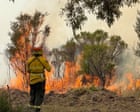
Look closely at what's happening in the bushland canopy and undergrowth in that photo. Eucalyptus oil, dry bark strips, and fine ground litter turn moderate heat into rapid flame spread once moisture drops. Even when a blaze looks manageable on a calm morning, a sudden afternoon wind change can flip a flank into a fast-moving head fire in minutes.
What Is Actually Driving This Season's Threat
Fire chiefs and meteorologists aren't pointing to a single cause. They're looking at a stacked deck where several atmospheric and ocean signals overlap.
An active El Niño is strengthening and expected to peak around December or January, while a positive Indian Ocean Dipole and Antarctic influences add further weight to the pattern. Climate researchers, including Dr Andrew Watkins at Monash University, have highlighted how natural climate variability is colliding with ongoing global warming from fossil fuel emissions. That overlap pushes baseline temperatures higher and dries out fine fuels faster than they can recover.
Here's the catch that trips people up every year. Dryness isn't the only fuel story.
In parts of Victoria, recent rain encouraged lush grass growth. Sounds harmless in spring, right? Wrong. Once summer heat arrives and cures that grass, it turns into fast-burning tinder that carries wind-driven grassfires at frightening speed, even in places where heavy forest timber isn't the main hazard. Meanwhile, parts of Tasmania have been running dry with well below-average rain, leaving scrub and forest fuels primed for wind-driven flare-ups—something residents on Flinders Island have already experienced firsthand with active fires.
Regional Breakdown Across Southern, Central, and Northern Australia
One mistake I see constantly is treating "Australia" as one uniform weather map. It isn't. Fire risk and summer heat behave differently depending on where you stand.
- Victoria: After major fires in recent seasons—including more than 440,000 hectares burned last summer and significant fires in the Grampians in 2024–25—most of the state faces heightened bushfire danger. Victorian emergency authorities have also stressed that summer emergencies rarely arrive one at a time, warning communities to stay ready for storms, flash flooding, and thunderstorm asthma alongside fire and heat.
- Tasmania: Eastern Tasmania faces elevated fire risk and drier-than-usual summer conditions, with already dry fuels waiting on windy weather to turn ignitions into established blazes.
- South Australia, Western Australia, New South Wales, and the Northern Territory: Large portions of these states and territories carry above-average bushfire risk due to dry soils, accumulated fuel, and hot weather outlooks. Northern areas still contend with wet-season dynamics, tropical cyclones, and severe storms, which can bring heavy rain in pockets while leaving dry, fuel-rich stretches vulnerable elsewhere.
- Queensland and north-eastern New South Wales: Above-average summer rainfall is more likely in parts of these areas, especially early in the season, though heatwaves remain a nationwide concern.
There's also a marine side to this summer's heat that many inland residents overlook. Ocean temperatures around Australia are running well above average—reaching up to 3°C warmer than usual in parts of southern and southeastern waters—and the Great Barrier Reef Marine Park Authority has warned of high coral bleaching risk from marine heatwaves. Land heatwaves and marine heatwaves come from the same warming planet, even when their day-to-day impacts look completely different.
Why People Misread Bushfire and Heatwave Risk
Honestly, most bad decisions during summer happen before a single ember lands.
First, people confuse a Fire Danger Rating with the probability of a fire starting right outside their fence. Fire danger ratings indicate how hard a fire would be to fight and how dangerous its behavior could become if one starts under those weather conditions—not whether a match is about to be struck. On days rated Extreme or Catastrophic, fires can move faster than suppression crews can contain them.
Second, urban and semi-rural residents often assume they're safe because they live near a regional town or on the edge of a suburb. Ember attack is the real killer of homes in Australian bushfires. Burning bark and sparks can travel ahead of the main front and ignite dry leaves in gutters, under decks, or against timber fences well before flames reach the street.
Third, people treat heatwaves like a slightly uncomfortable hot afternoon. Prolonged high temperatures—especially warm overnight minimums that stop bodies and buildings from cooling down—strain power grids, worsen air quality when smoke drifts in, and put older adults, outdoor workers, and people with heart or breathing conditions at serious risk.
There's also a genuine tension in land management that deserves straight talk. Fuel reduction, cultural burning, planned burns, and mechanical clearing can lower hazard levels in targeted zones, yet weather windows for safe burning shrink when temperatures climb and drying accelerates. Experts don't always agree on the exact mix or scale of every intervention in every ecosystem, and no amount of fuel work can make a Catastrophic weather day completely safe. Accepting that limit is realistic, not fatalistic.
What You Should Do Right Now
Don't wait until the first 40°C day or an emergency alert hits your phone. Do the boring prep work while conditions are calm.
- Lock in your trigger to leave early. Decide ahead of time what conditions make you leave—such as a Catastrophic rating, a local watch-and-act alert, or high heat with gusty winds—and don't debate it mid-crisis.
- Set up reliable alert channels. Download your state or territory emergency app, bookmark official fire service sites, and keep a battery-powered or wind-up radio handy in case power and mobile networks drop.
- Clear fine fuels around your property. Rake dry leaves from gutters, roofs, and around buildings, move firewood and flammable items away from walls, and keep grass trimmed where safe and permitted.
- Plan for heat and smoke indoors. Check air conditioners and filters, stock essential medications and drinking water, and know a cooler or cleaner-air place to go if power fails or smoke builds up.
- Talk through the plan with household members and neighbours. Make sure everyone knows the meeting point, pet arrangements, and who checks on vulnerable family members or older neighbours.
Stay ahead of the weather, keep your plan simple enough to follow under stress, and check official local warnings daily throughout summer.