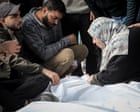
You stop counting numbers after a while because they start to look like typos. But sixteen is a specific, devastating tally. According to Gaza's ministry of education, at least sixteen schoolchildren have been killed by Israeli military strikes since November opened.
Let's talk about what those numbers actually mean on the ground.
The Reality Behind the Monthly Toll
Behind every statistic is an empty desk, a backpack gathering dust, or a family sorting through rubble. Take Yusra and Jana. They were fifteen and thirteen years old. They attended local schools—Kafr Qasim and al-Manar private school—trying to hold onto some semblance of a normal routine while living through continuous displacement and bombardment. In the early hours of a Wednesday in late November, an airstrike tore through their family apartment in the al-Shati refugee camp in western Gaza City. Both sisters died alongside their parents, Noura and Mohammed.
When strikes hit residential neighborhoods like al-Shati, classrooms lose pupils before teachers even take attendance. Education officials in the territory point out that these aren't isolated accidents; they represent a compounding crisis where young people find themselves directly in the crosshairs of ongoing military operations.
Why the Educational Infrastructure is Collapsing
It's not just about physical safety—though staying alive is the baseline challenge. The broader infrastructure meant to nurture children's minds has been battered past its breaking point.
- Targeted structural loss: Schools, universities, and administrative offices face recurrent hits, destroying archives, learning materials, and safe spaces.
- The psychological toll: Surviving children deal with chronic trauma, lacking reliable access to clean water, food, or adequate medical care.
- Leadership vacuum: The violence extends to administrative layers, with high-profile officials in the educational sector—including the Gaza deputy education minister Khaled Abu Nada—being killed in targeted overnight strikes.
When you dismantle the institutions that give youth a future, you erase tomorrow's possibilities. Thousands of students have lost their lives or limbs since the broader conflict escalated, turning what should be formative years into a desperate survival test.
Looking at the Broader Picture
The international community routinely issues statements of concern, yet the daily reality for families in Gaza remains unchanged. Human rights organizations continue to document violations, but accountability moves at a glacial pace while airstrikes operate in real-time.
If you're trying to understand the human cost of this conflict, stop looking at abstract policy debates. Look at the children who went to sleep in their bedrooms in western Gaza City and never woke up to see another lesson. That's the real story of November.
Israeli Strikes Kill 16 Schoolchildren in Gaza This Month
This video provides additional context on the recent military strikes and casualties across the Gaza Strip.



