Pakistan is sending troops to Saudi Arabia to bolster defenses following Houthi attacks, and this move is way bigger than a routine security favor. It's the first real-world stress test of a brand-new trilateral defense pact between Saudi Arabia, Pakistan, and Turkey.
On November 28, 2026, officials held a send-off ceremony for departing Pakistani personnel, with Defense Minister Khawaja Muhammad Asif and Saudi Ambassador Rajeh Tami Albugamy present. A day later, Pakistan's military announced the deployment. According to the military's statement, the forces will operate inside Saudi territory to strengthen defensive capabilities amid "emerging security concerns" and protect the kingdom's security, sovereignty, and holy sites in Mecca and Medina.
Look closely at the timing. This wasn't pulled out of thin air. It came right after senior officials from Pakistan, Saudi Arabia, and Turkey met in Islamabad on November 27, 2026, and condemned what they called "persistent and heinous" Houthi attacks on Saudi civilians and infrastructure.
What Actually Triggered This Deployment
Since the summer escalation linked to the wider 2026 Iran war, Saudi Arabia has faced repeated drone and missile threats. Riyadh has accused Yemen's Houthi movement, also known as Ansar Allah, of firing missiles and drones toward Mecca and Medina. The Houthis flatly deny targeting Islam's two holiest cities. To explore the complete picture, check out the recent report by BBC News.
Meanwhile, regional tensions have spilled far past border skirmishes. Energy routes and shipping lanes have faced serious pressure, including tanker strikes near Hormuz and tit-for-tat threats between the Saudi-led coalition and the Houthis to hit key ports.
For Riyadh, having outside boots on the ground isn't just about extra manpower. It signals political backing from fellow Muslim-majority capitals at a moment when Gulf security feels fragile. Defense Minister Khawaja Muhammad Asif had already signaled that Islamabad would use "whatever means are available" to help defend Saudi Arabia against Houthi attacks.
How the Mecca Defence Alliance Came Together
If you only read quick headline summaries, you might think Pakistan and Saudi Arabia just signed a quick bilateral deal this week. Honestly, the real story goes back months.
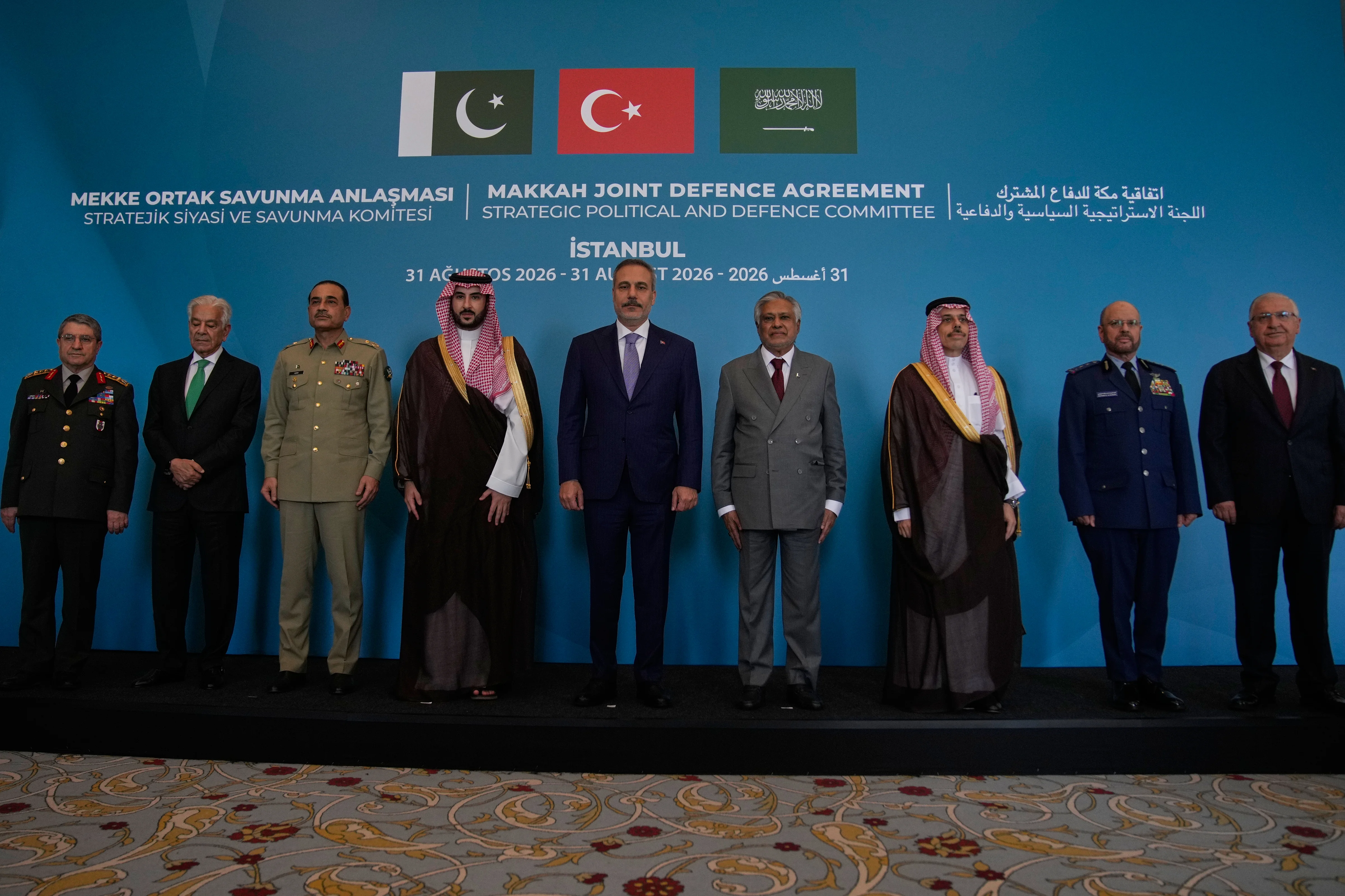
Pakistan and Saudi Arabia signed a Strategic Mutual Defence Agreement on September 17, 2025. Then, on August 7, 2026, leaders from Saudi Arabia, Turkey, and Pakistan signed the Mecca Defence Alliance (also referred to as the Makkah Joint Defence Agreement) in Mecca. The pact binds the three states for 10 years, requires three months' notice to withdraw, and sets up a collective defense framework stating that an armed attack against one member is considered an attack against all.
Ratification moved step by step across all three capitals:
- Saudi Arabia ratified the pact in October 2026.
- Pakistan ratified it on October 23, 2026.
- Turkey's parliament ratified it on November 5, 2026, followed by presidential signature on November 13 and publication on November 14, which is when the agreement officially entered into force.
A secretariat has been set up in Saudi Arabia, with retired Pakistani General Nauman Mahmood named as its first secretary-general. Following an earlier October meeting in Riyadh where the three allies discussed rapid deployment arrangements, the late-November Islamabad talks moved the pact from paper toward action.
The Details That Aren't Public Yet
Let's be straight about what we don't know. Official statements from Pakistan's military have kept key operational details under wraps.
We still don't have official confirmation of the exact size of the contingent, its specific equipment, its exact mission profile, or how long the troops will stay. Reporting from Al Jazeera's Islamabad bureau chief Abdul Rahman Matar indicated the contingent involves around 100 soldiers of various ranks from the Lahore Corps in Punjab, though official military releases have not publicly confirmed those numbers.
That ambiguity matters. A small advisory or defensive guard force plays a very different role on the ground than a large combat formation. Either way, Islamabad and Ankara have stressed in prior statements that their support centers on defending Saudi territory rather than launching offensive attacks inside Yemen.
Why This Balancing Act Is Tricky for Islamabad
Sending troops to Saudi Arabia gives Pakistan diplomatic weight in the Gulf, yet it also puts Islamabad on a tightrope.
Pakistan isn't only acting as a military partner to Riyadh. It has also been working alongside countries like Qatar on diplomatic efforts to pull the United States and Iran back toward negotiations, having helped broker an interim understanding between Washington and Tehran in June 2026.
There's also a history lesson here that smart observers shouldn't gloss over. Back in 2015, Pakistan's parliament famously declined to join the Saudi-led military intervention in Yemen, even though close defense ties and bilateral training with Riyadh continued over the years. Now, in late 2026, deploying forces inside Saudi territory under a formal trilateral treaty raises the stakes. If cross-border drone or missile strikes escalate further, a defensive mission can get pulled closer to active danger fast.
At the same time, other regional players are watching how this alliance shapes up. Countries like Bangladesh, Egypt, and Syria have come up in diplomatic reporting around potential interest or technical hurdles tied to joining or engaging with the pact, though expansion isn't settled.
What to Watch Next
If you're tracking this story because you care about Middle East security, energy markets, or South Asian foreign policy, don't stop at the send-off photos. Watch what happens over the next few weeks:
- Check for official force and mission disclosures. Watch statements from Pakistan's military and defense officials for any clarification on contingent size, deployment locations inside the kingdom, and duration.
- Track Houthi responses and Red Sea or Gulf shipping alerts. Pay attention to whether Houthi messaging targets collective defense moves or escalates threats around ports and maritime chokepoints.
- Watch Ankara's next move. Since Turkey is a formal signatory to the Mecca Defence Alliance, see whether Turkish officials announce complementary defensive steps or keep their role strictly diplomatic and logistical for now.
- Follow Islamabad's parallel diplomacy. Keep an eye on whether Pakistan can maintain its mediator role with Iran and regional partners while putting soldiers on Saudi soil.