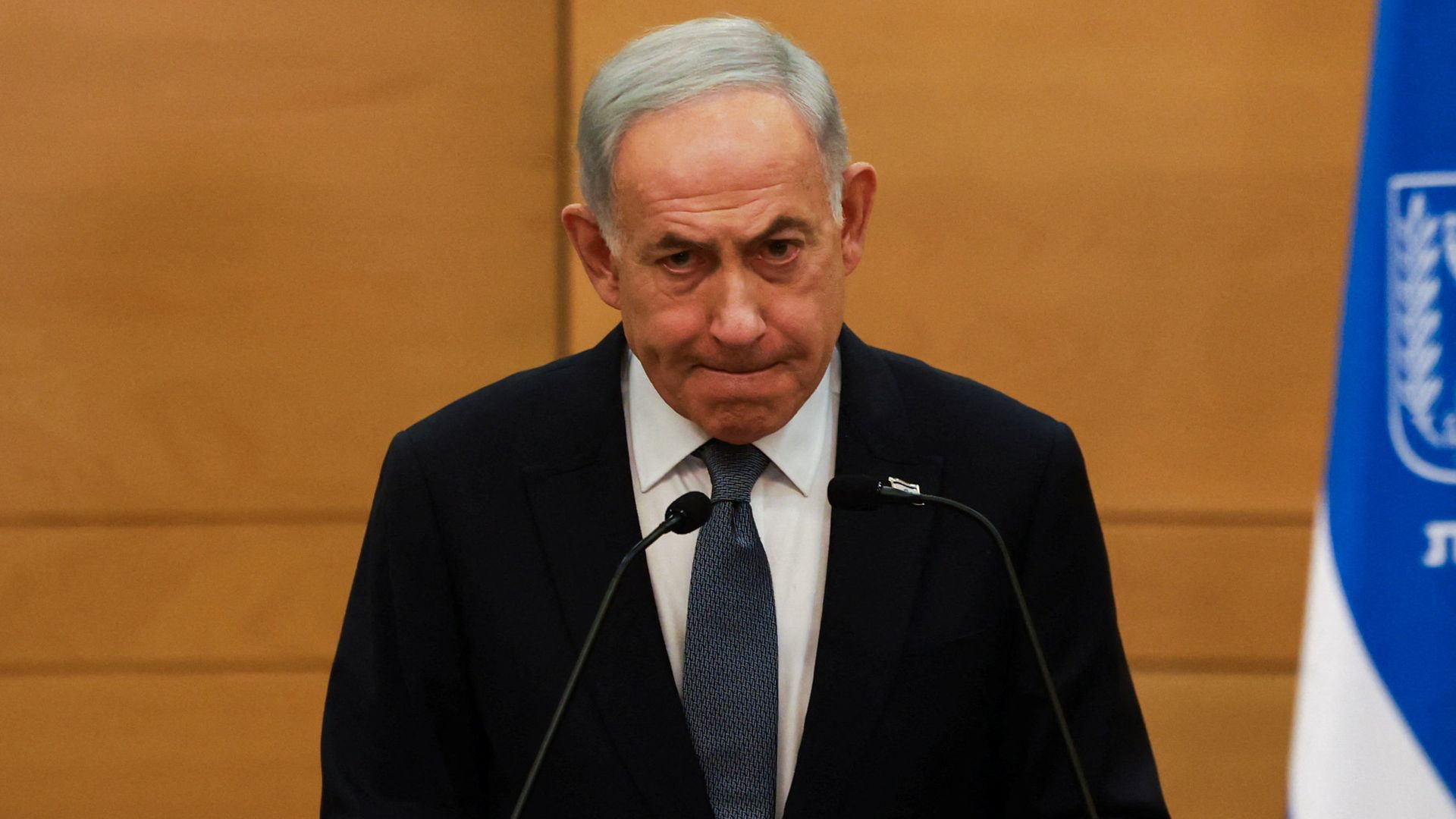
Caretaker Prime Minister Benjamin Netanyahu just offered Gadi Eisenkot the first turn as prime minister in a unity government, and Eisenkot accepted an invitation to talk. That sounds like a dramatic concession. Honestly, it looks a lot more like a last-ditch survival move after Israel's inconclusive October election.
Netanyahu's coalition lost its majority in late October. President Isaac Herzog tapped Yashar leader Gadi Eisenkot—a former military chief of staff—to try forming the next government. With coalition deadlines tightening and the opposition building momentum, Netanyahu announced on social media that he would step aside initially, letting Eisenkot serve as prime minister first while Netanyahu takes the alternate prime minister slot.
Why a Unity Government Offer Emerged Now
Deadlock is nothing new in Israeli politics. Between 2019 and 2022, voters went to the polls five times because blocs kept stalling short of a 61-seat majority in the 120-seat Knesset. Late October's election delivered another split verdict. Neither side walked away with a clear path to rule alone.
Even with Naftali Bennett's B'Yachad party in the mix, Eisenkot's four-party bloc holds around 48 seats. Getting past 61 means either striking tricky deals with parties outside his core camp or entertaining cross-bloc formulas. Netanyahu, fighting to hold onto political relevance as his previous majority evaporated, pitched a rotation deal as the shortcut out of gridlock.
Watch the wording closely. Netanyahu said he still believes he should lead first, yet claimed "unity is the need of the hour" and called for "genuine, sincere, and accelerated negotiations". Politicians rarely offer the top job to a rival out of pure altruism. When a leader is cornered, offering a turn at the wheel is often about staying inside the room where power gets divided.
What Eisenkot's Bloc Actually Thinks About the Deal
Don't assume Eisenkot's camp is ready to celebrate a grand reconciliation. Inside the anti-Netanyahu bloc, reactions split fast and hard.
Bennett, leader of B'Yachad, has sounded more open to cautious talks around unity than some of his partners. Others aren't buying it for a second. B'Yachad's No. 2, Yair Lapid, dismissed the offer as a "transparent con," calling Netanyahu a "serial deceiver" who has broken past agreements. Democrats chair Yair Golan reacted just as bluntly on social media, saying Netanyahu had lost and calling for an end to political tricks.
Reports from Israeli outlets like The Times of Israel also highlight a crucial constraint on Eisenkot: he has pledged to coordinate major unity decisions with partners like Avigdor Liberman and Golan, both of whom have ruled out sitting in a government led by Netanyahu. Even so, Eisenkot agreed to negotiate on basic guidelines and policy issues. Talking doesn't mean surrendering leverage. Sometimes you sit at the table just to test whether the other side is bluffing.
The Ultra-Orthodox Fault Line Nobody Can Ignore
Here is the real catch behind the unity pitch. A unity government sounds tidy on paper—especially if you frame it around easing the strain on military reservists. In practice, coalition math collides with deep social divides.
Senior figures in Eisenkot's bloc have warned that Netanyahu's unity pitches keep ultra-Orthodox allies and military draft-exemption arrangements in the frame. From the opposition's view, teaming up with Likud could lock in both Netanyahu's political survival and continued ultra-Orthodox exemptions, defeating the point of easing reservist burdens. Likud, meanwhile, has pushed back against claims it would abandon ultra-Orthodox partners, insisting they belong in the proposed unity setup.
That tension is huge. A rotation agreement on paper means very little if the two sides can't agree on who serves in the military, how ministries are split, or whether ultra-Orthodox factions stay anchored to the coalition.
Comparing Rotation Deals Against Alternative Paths
Rotation governments in Israel have a mixed track record. They can bridge deep ideological gaps in a crisis, yet they also breed suspicion about who holds real control in the first half and whether the second half will ever happen cleanly.
Let's look at the realistic options on the table right now:
- A Netanyahu-Eisenkot rotation: Could create a broad center-right or cross-bloc cabinet on paper, but risks alienating hardline anti-Netanyahu voters and fracturing Eisenkot's partners.
- An Eisenkot-led coalition without Likud: Keeps the anti-Netanyahu camp intact, yet requires bridging tough gaps with other Knesset factions to hit 61 seats.
- Another deadlock and fresh elections: If talks collapse and deadlines expire without a viable majority, Israel faces the prospect of heading back to the voters—a scenario exhaustion with recent election cycles makes deeply unpopular.
Notice what basic political math tells us. Both leaders are trying to solve the same arithmetic problem: getting to 61 seats without blowing up their own base. What looks like a surprising olive branch is really a high-stakes test of who blinks first.
Practical Next Steps for Following This Standoff
If you're tracking how this crisis plays out over the coming days, skip the noise and watch concrete signals:
- Track the negotiation timeline and deadlines: Watch whether talks produce actual policy text or stall over stalled coalition schedules, as reported by outlets like The Guardian and CBC News.
- Watch Eisenkot's key partners: Pay close attention to public statements from Bennett, Lapid, Golan, and Liberman—any crack or firm veto there will show whether unity talks have legs or are going nowhere.
- Check the ultra-Orthodox and reservist terms: Look past headlines about "unity" and see what is said about draft exemptions and coalition partners, because those details decide whether any government can actually govern.