Grief doesn't pause for an investigation timeline. When five soldiers lose their lives in a sudden grass fire during training, the parents left behind aren't just mourning—they're trapped in a fog of unanswered questions about how fast the flames moved, whether their child felt terror, and where they were found.
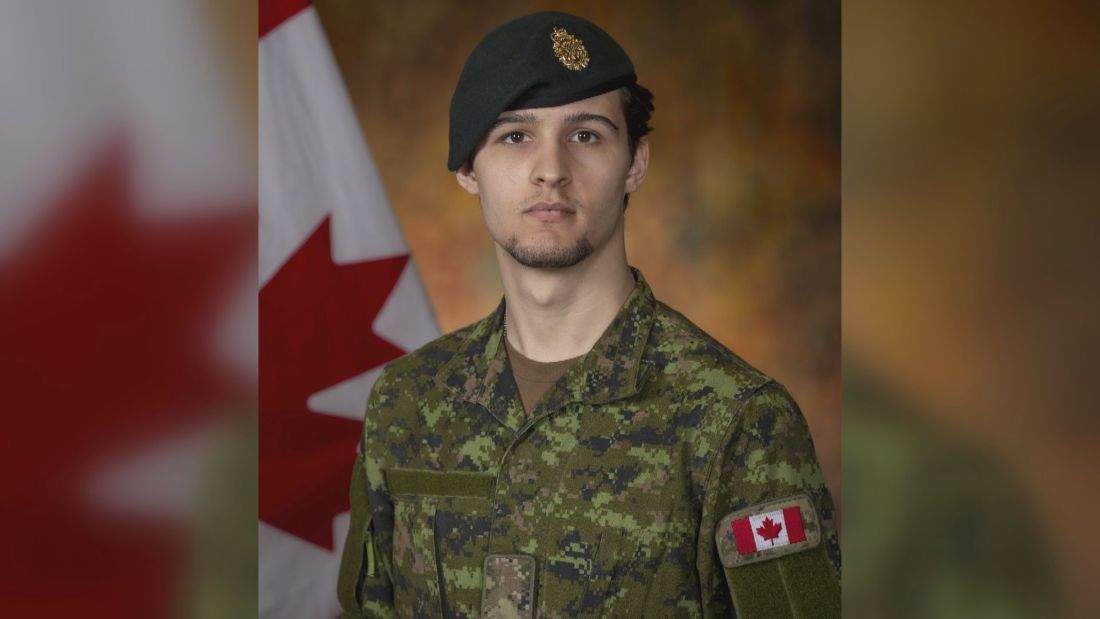
That raw reality sits at the center of what happened after the deadly October 17, 2026 fire at Canadian Forces Base Wainwright in Alberta. Five service members died—Shaun Farrell, Pte. Aidan Goulding, Pte. Hayden Lykkemark, Sgt. Morgan Wong, and later Pte. William Douglas Dal Bianco—while dozens more were burned, leaving 21 soldiers still hospitalized across Alberta, British Columbia, and Ontario weeks later. For Shaun Farrell's parents, Patricia and Roland Farrell, basic facts remain elusive, and without them, real closure feels out of reach.
Why Families Are Left Waiting After a Military Training Fire
When a training accident turns fatal, families hit a wall of secrecy that feels cruel even when it's legally standard. Patricia Farrell shared that she visited CFB Wainwright yet wasn't permitted to see the exact spot where her 23-year-old son died, and she still struggles with nagging doubts that leave her wondering how quickly it happened or where he was found.
Honesty matters here. Security perimeters, active evidence preservation, and chain-of-custody rules exist for real reasons after a catastrophic fire. Yet from a grieving parent's perspective, those rules look like a locked door between them and their child's final moments.
In wildland and grass fires, wind shifts can turn manageable brush into an overtaking wall of flame in seconds. When a sudden windstorm pushes fire onto troops mid-exercise, investigators have to reconstruct weather behavior, terrain, troop movement, and emergency response before drawing firm conclusions. That takes weeks or months, not days.
How the Three Investigations Work and What Each One Does
Following the CFB Wainwright fire, officials outlined three separate tracks of inquiry: a military police investigation already underway, a formal military board of inquiry expected to convene and release public findings, and a provincial civilian coroner's investigation in Alberta.
People often lump these processes together and assume they're all doing the same job. They aren't.
- Military police investigation: Focuses on policing duties, potential offenses, evidence collection, and whether rules or laws were broken. Information is tightly controlled during active work to protect integrity and fairness.
- Formal board of inquiry: Examines the circumstances, contributing factors, equipment, and procedures around the incident, with an expectation that findings will be made public once complete.
- Alberta coroner's investigation: Looks into identity, medical cause of death, and circumstances from a civilian death-investigation lens, separate from the military chain of command.
Having multiple overlapping reviews is supposed to ensure thoroughness and accountability. In practice, it also stretches out the timeline, because one agency's findings or evidence handling can affect when another concludes.
The Hidden Weight of Unanswered Questions on Grief
Psychologists and trauma specialists have long noted that ambiguous loss or unanswered details around a sudden death can lock people into intrusive mental loops. You replay scenarios in your head because your brain refuses to accept a blank space where a clear story should be.
Look at what Patricia Farrell described: nightmares about pain and fear, a trip to Kananaskis that couldn't lift the weight, and a lingering feeling that it isn't quite real until she knows the concrete facts. Even visual identification at the time was wrenching—she didn't recognize her son's body until a wrist tattoo confirmed it was him, while Roland Farrell chose not to look that way.
There's also a ripple effect across the whole household. Their other son, Byron, was close to Shaun, and even the family dog, Dobbie—a Shih Tzu-Maltese-Papillon mix wearing a tiny Springboks jersey—seems anxious as the family looks into emotional support designation. Meanwhile, well-meaning check-ins from the public can accidentally force parents to relive the worst day of their lives over and over, especially during a holiday season when they plan to mark Christmas's religious meaning quietly without family celebrations.
What Families and Supporters Can Do Right Now
Waiting on official reports doesn't mean sitting helpless in the dark. If you or someone close to you is navigating the aftermath of a serious workplace or military training tragedy, a few practical steps can help steady the ground beneath your feet.
- Request a single point of contact: Ask for a dedicated family liaison officer or advocate who can give clear, plain-language updates on what can—and cannot—be shared right now, rather than leaving you to chase fragments across offices.
- Write down specific questions ahead of briefings: Grief makes it hard to remember what you wanted to ask once you're in the room. Keep a running list of concrete questions about timelines, medical care, or next milestones so nothing gets lost.
- Protect your bandwidth from repetitive retelling: Decide in advance how much you want to share with neighbors, acquaintances, or social media, and let a trusted relative or friend field routine updates when reliving the story hurts too much.
- Lean on specialized peer and clinical support: Standard counseling helps, yet talking with people who understand sudden loss, trauma, or hospital recovery—like other affected families or dedicated veteran and bereavement networks—often reduces the isolation of feeling misunderstood.
Closure rarely arrives as a neat movie moment when a final report is published. Still, getting honest, verifiable facts—and having space to grieve without constant re-traumatization—gives families something real to hold onto while they carry a loss that never truly goes away.