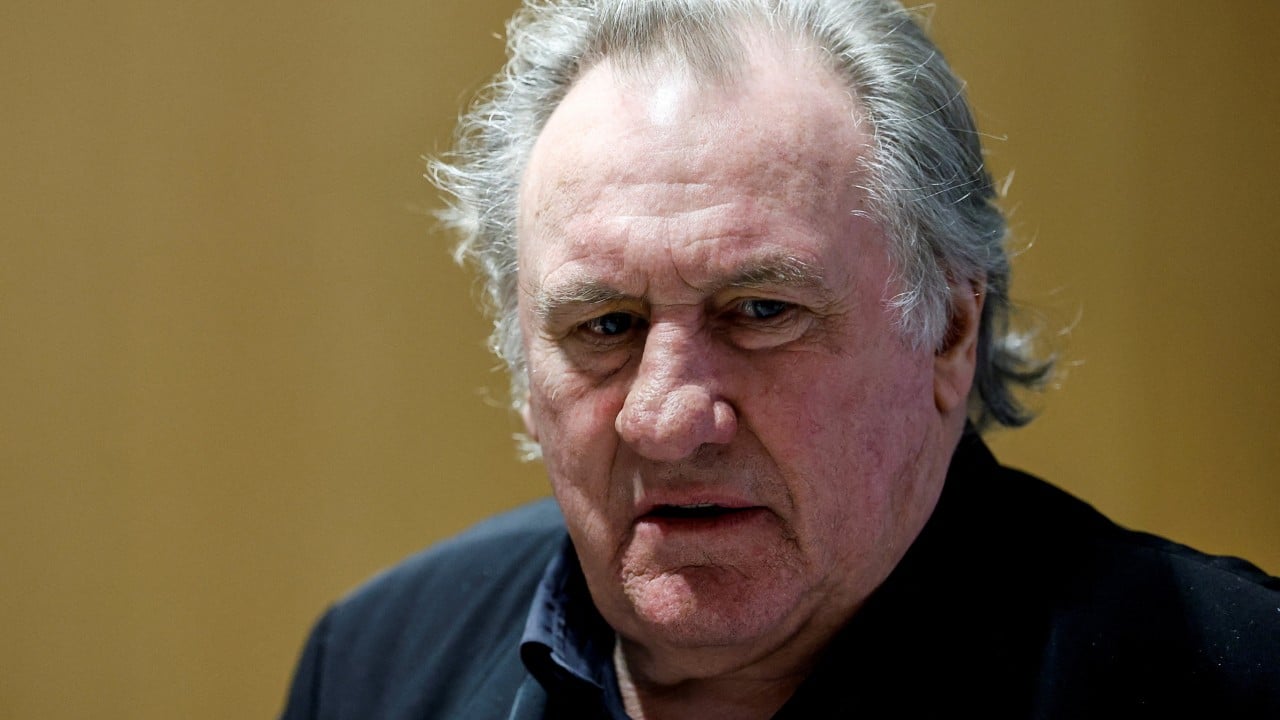
Gérard Depardieu is heading to trial over allegations by actress Charlotte Arnould after a Paris appeals court upheld a rape charge tied to August 7, 2018, while throwing out a second allegation from August 13.
That split decision landed on November 26, 2026. It arrives just ten days after Depardieu dropped his appeal against an earlier sexual assault conviction and offered a rare public apology.
Here is the blunt truth. Nobody who followed this case from the start expected a quick exit, yet eight years of legal wrangling have turned a single complaint into a defining test for French justice.
What the Paris appeals court actually decided
Let's strip away the noise around the headline. Ordering someone to stand trial is not a verdict of guilt, and Depardieu remains presumed innocent until a criminal court rules otherwise. Still, the Paris Court of Appeal handed down a sharp split that both sides are spinning as a partial win.
On one hand, the court confirmed the order sending the 77-year-old actor to a departmental criminal court over alleged rape and sexual assault on August 7, 2018, at his Paris residence. Under French law, felony rape charges heard before a criminal court carry potential sentences of 15 to 20 years in prison upon conviction, as reported by Associated Press.
On the other hand, judges dismissed the second alleged incident from August 13, 2018, due to insufficient evidence. Defense lawyer David-Olivier Kaminski called the ruling a first victory for his client on BFMTV and noted that the defense would weigh taking the legal question to the Court of Cassation, France's highest court, which reviews legal procedure rather than retrying facts.
Arnould's lawyer, Carine Durrieu Diebolt, struck a very different tone. She described the ruling as a relief for her client after years of waiting and called it a historic step toward a full hearing in court.
Why this case dragged on for eight years
If you look at the timeline, you see why people get lost in the procedural weeds. French investigating magistrates don't rush high-stakes felony files, especially when power and celebrity sit on one side of the room.
- August 2018: Arnould, then 22 and someone who knew Depardieu through family connections before seeking career advice, reported two alleged assaults at his Paris home.
- 2019: Prosecutors initially closed the complaint after roughly nine months for lack of sufficient evidence.
- Summer 2020: Arnould re-entered the case as a civil party (constitution de partie civile), a move under French procedure that forces a formal judicial investigation led by an examining magistrate.
- 2021: Depardieu was placed under formal investigation (indicted) for rape and sexual assault, a status he has consistently contested while maintaining there was no coercion or violence.
- August 2025: An investigating judge ordered the case sent to trial, prompting Depardieu's defense team—including Kaminski and Delphine Meillet—to appeal the indictment order.
- November 26, 2026: The Paris appeals court upheld the trial order for August 7, 2018, and dismissed the August 13 allegation.
Looking back at how the file moved from dismissal to formal indictment and now toward trial, the real lesson isn't complicated. Persisting as a civil party in France can keep a stalled complaint alive when initial prosecutorial reviews fall short, though it also stretches the emotional toll out over nearly a decade.
How the Les Volets verts conviction changed the atmosphere
You can't separate Thursday's ruling from what happened in mid-November 2026. For years, Depardieu's camp treated every accusation as part of a pile-on or a cultural witch hunt. That posture shifted noticeably on November 16, 2026.
Earlier in 2025, a Paris court had sentenced Depardieu to an 18-month suspended prison term for sexually assaulting two women—a set dresser and an assistant director—during the 2021 filming of Les Volets verts (The Green Shutters). Instead of fighting the appeal to the finish, Depardieu abandoned his challenge.
In his statement reported by The Guardian and international wires, he acknowledged that he had long hidden behind provocation and crude humor on film sets and admitted his behavior had consequences, especially given the power he once held.
Honestly, that admission matters in public perception even though it doesn't automatically prove guilt in a separate rape trial. A jury or panel of judges evaluating August 2018 must weigh the specific facts of that night alone—not assume guilt from another case. Still, the days of blanket, unyielding denials across every single front look a lot harder to sustain.
Why Depardieu became a lightning rod in France
For decades, Depardieu wasn't just another French actor. Born in Châteauroux in 1948, he built a towering body of work across more than 200 films, from The Last Metro and Jean de Florette to Cyrano de Bergerac and the Asterix series, alongside high-profile detours like taking Russian citizenship from Vladimir Putin in 2013 over tax disputes.
When allegations mounted in the early 2020s—including a December 2023 television documentary showing crude remarks and gestures during a 2018 trip to North Korea—France's wider debate over #MeToo collided straight into him. Back in 2018, Catherine Deneuve and 99 other women had signed a controversial open letter warning against what they saw as puritanical excesses and defending men's freedom to pursue women. Later, President Emmanuel Macron drew fierce pushback from women's rights advocates when he spoke of Depardieu making France proud and warned against a "manhunt."
Here's where people often misread the room. Defending the presumption of innocence is basic rule-of-law stuff; dismissing years of complaints as a mere cultural fad is something else entirely. Watching this case unfold shows how French institutions are slowly trying to hold both principles at once without letting famous names bend the rules.
What happens next and how to follow it
No trial date has been set yet following the November 26 ruling, and defense lawyers still have to decide whether to petition the Court of Cassation. Even if they do, that step focuses on legal compliance rather than reopening the factual evidence.
If you're tracking the case closely or trying to make sense of legal updates coming out of Paris, a few practical habits keep you grounded:
- Watch the court stage, not just the headline: An indictment order or appeal ruling determines whether a case goes before a trial court; it never decides criminal guilt.
- Keep separate cases distinct: Track the 2018 Charlotte Arnould proceeding separately from the finalized 2021 Les Volets verts conviction, as each rests on its own evidence and legal elements.
- Check primary wire and court reporting: Rely on outlets like AP News or The Guardian for exact dates, procedural rulings, and official quotes rather than social media summaries.
- Use support resources if needed: Anyone affected by sexual assault or needing confidential help can reach out to local victim advocacy services or organizations such as RAINN.