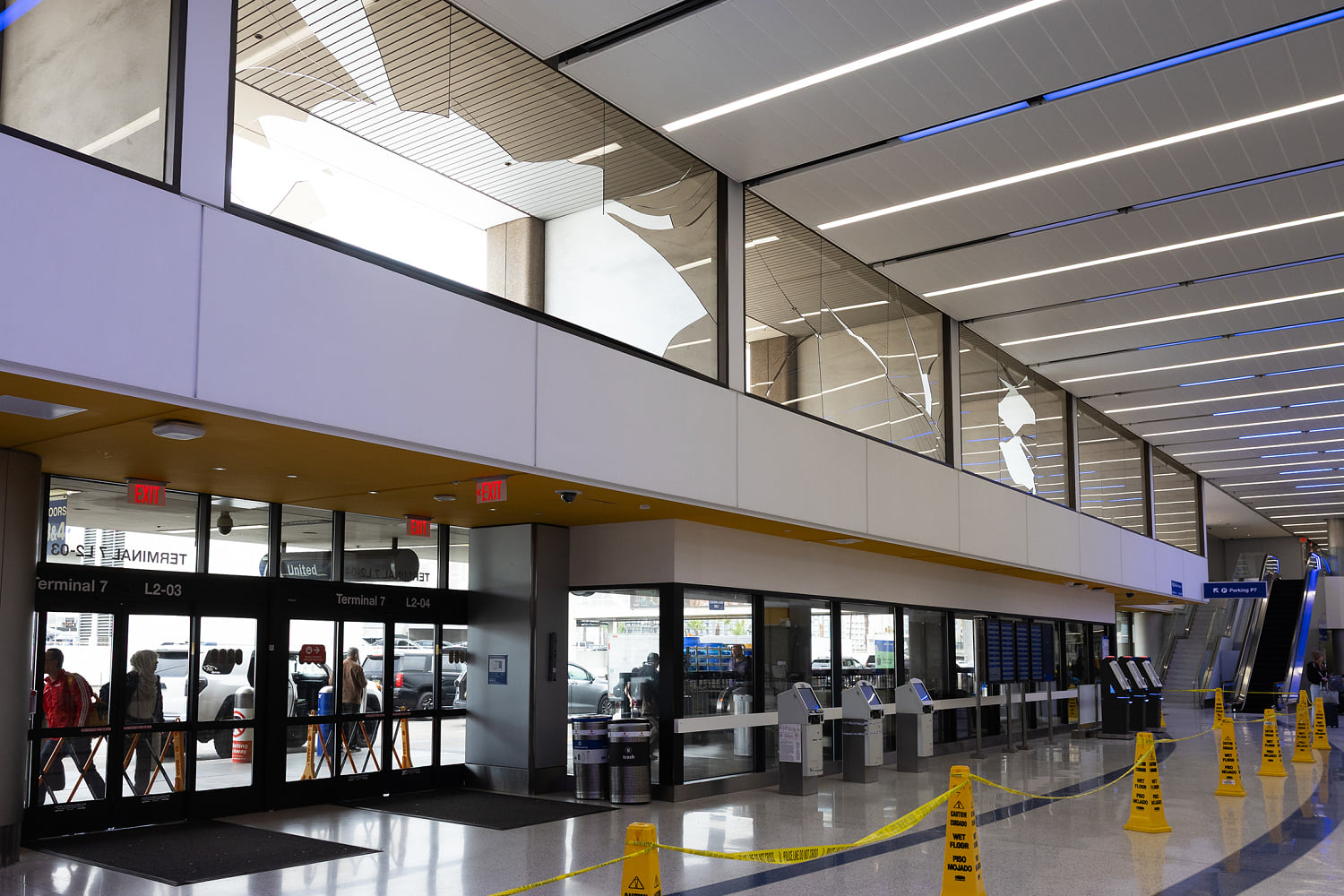
I wasn't able to access the NBC News article directly due to access restrictions on that URL, so I'm focusing on the earthquake and aftershock mechanics around Los Angeles using established seismological principles and verified guidance from the U.S. Geological Survey and Ready.gov. Because I couldn't read that specific news report, I won't claim details about that particular event's exact location, time, or damage figures.
That said, whenever a 5-magnitude earthquake rattles near Los Angeles and starts kicking off multiple aftershocks, people's phones light up and nerves get frayed fast. Honestly, that reaction makes total sense. A 5.0-ish jolt isn't the "Big One" everyone dreads, yet it's strong enough to swing chandeliers, knock items off shelves, startle pets, and wake half a neighborhood out of a dead sleep. Then the aftershocks start rolling in, and suddenly every rumble feels like the ground is warning you about something worse.
Here is the real takeaway up front. A cluster of aftershocks after a magnitude 5 earthquake near Los Angeles is normal physical behavior, not proof that a catastrophic rupture is about to strike. Still, treating aftershocks like harmless little echoes is a mistake I see people make all the time. A sharp shallow jolt right under your feet can topple unsecured furniture, crack brittle masonry, or catch you off guard on stairs even when no major damage showed up at first.
Why Multiple Aftershocks Follow a 5-Magnitude Quake
Earthquakes don't happen on a neat, single snap of rock. When a fault slips and releases accumulated stress, the surrounding rock mass doesn't settle into a tidy new balance right away. Stress shifts onto neighboring sections of the fault or onto nearby smaller fractures. Those adjustments produce aftershocks.
In Southern California, the tectonic setting is notoriously tangled. The Pacific Plate and the North American Plate grind past each other along the broader San Andreas fault system, while the Los Angeles basin sits over a web of strike-slip and thrust faults. When one segment moves, nearby stressed patches slip to catch up. That's why you often get a flurry of smaller shakes in the first hours and days after a moderate event.
Seismologists also talk about foreshocks versus aftershocks, and this is where people get tripped up. You can't tell in real time whether a magnitude 5 quake is the main event or a foreshock to a larger one until time passes. Statistically, most moderate quakes are followed by smaller aftershocks that taper off over days, weeks, or longer. A smaller percentage of moderate events are followed by a larger quake. That statistical reality explains why experts stay cautious without claiming a megaquake is guaranteed.
Look at that fault map of California to see why a moderate shake near L.A. draws so much attention. High population density sits right next to active fault traces and hazard zones. Even when a fault rupture is modest in size, shaking intensity depends heavily on depth, distance, and local soil. Soft sediment basins in parts of the Los Angeles area can amplify ground motion compared to hard bedrock, making a 5-magnitude event feel sharper in one neighborhood than another a few miles away.
What Initial "No Immediate Reports" Updates Really Tell You
Early headlines after a magnitude 5 earthquake often say there are no immediate reports of major damage or injuries. If you've lived in seismic country for long, you know how to read that line. It means emergency dispatchers and agencies haven't confirmed major impacts yet, not that nothing happened or that every structure is fine.
Right after a quake, information moves in layers. First come automated seismic alerts and fast shaking maps from networks like ShakeAlert and the USGS. Next come local reports from residents feeling the roll or jolt. Structural checks, utility inspections, and damage assessments take longer, especially if aftershocks keep rattling the area or if issues are hidden behind walls, under roofs, or along water and gas lines.
I've noticed a common blind spot after moderate quakes. People walk around their house for two minutes, see no toppled bookcase, and assume their home is completely untouched. Hairline plaster cracks, shifted water heaters, or weakened chimneys can show up slowly, or get worse during a strong aftershock hours later.
Surprising Details Most People Get Wrong About Aftershocks
Plenty of widely shared advice sounds intuitive until you look closely at how earthquakes actually behave. Let's clear up a few misconceptions that trip people up.
Bigger isn't guaranteed, even with dozens of rumbles. Having ten or twenty aftershocks sounds alarming on a seismograph feed. In reality, a sequence of smaller shakes often reflects gradual stress release. What matters most is the size and proximity of each individual jolt, not just the raw count on an app.
Doorways aren't your magic shield. Standing in a doorway made more sense in old adobe homes where door frames were sometimes the strongest part of a collapsing wall. In modern construction, a doorway doesn't give you better protection than getting low under a sturdy table or desk away from glass and heavy hanging objects.
Running outside mid-shake is risky. People bolt for the front yard or street the second the floor starts jumping. Falling glass, crumbling facade trim, downed power lines, and street debris make that split-second sprint dangerous. If you're inside, dropping, covering, and holding on until shaking stops is generally the safer move.
Aftershock risk fades, yet lingers. Aftershock frequency usually drops off fastest right after the main shock, following a well-known decay pattern in seismology. Even so, elevated odds can stick around for days or weeks, and a strong aftershock can still startle you or knock loose items that survived the first shake.
Keep that three-step sequence in your muscle memory. Drop to your hands and knees so the shaking doesn't knock you down. Cover your head and neck with one arm and get under a sturdy table or desk if one is nearby, or crouch next to an interior wall away from windows and tall shelves. Hold on until the shaking stops, protecting your head and neck with your other arm if you aren't under shelter.
How to Decide If Your Home or Building Needs a Closer Look
You don't need to panic over every little creak in a house after a 5-magnitude quake, yet you shouldn't ignore clear warning signs either. Think of post-quake checks in practical tiers.
First, look for immediate hazards. Smell for gas, listen for hissing pipes, check for sparking wires or water leaks, and scan for chimney damage or foundation shifts. If you suspect a gas leak, don't flip light switches or use open flames; leave the building and report it to the utility or emergency services.
Second, pay attention to changes in doors and windows. If doors suddenly stick, latch badly, or show fresh diagonal cracks radiating from corners, the frame or wall may have racked slightly during shaking. Take clear photos with timestamps—that helps if you need insurance documentation or a contractor's opinion later.
Third, be honest about what you don't know. If you live in an older building, a soft-story structure with tuck-under parking, or a home with unreinforced masonry or an unstrapped water heater, a moderate quake plus aftershocks is a good nudge to get a qualified engineer or contractor to take a look. Even if everything looks calm, aftershocks test weak spots that held on by a thread during the initial jolt.
Practical Next Steps to Take Today
Don't wait for the next aftershock to tighten up your setup. Taking thirty minutes today does way more for your safety than doomscrolling seismic feeds all night.
- Practice Drop, Cover, and Hold On with everyone in your household so nobody wastes precious seconds debating what to do when a sudden jolt hits.
- Secure tall and heavy items like bookcases, dressers, TVs, and mirrors using wall anchors or straps, and move heavy objects off high shelves above beds or couches.
- Check your water heater and emergency kit, making sure the tank is strapped properly and you have water, flashlights, sturdy shoes near the bed, medications, and a battery or hand-crank radio ready.
- Enable phone alerts and verify your plan, keeping earthquake early warnings turned on and agreeing on a meeting spot and out-of-area contact in case local networks get congested.
- Inspect after each notable aftershock, rechecking for leaks, new cracks, or shifted items without rushing back inside if a building looks damaged.