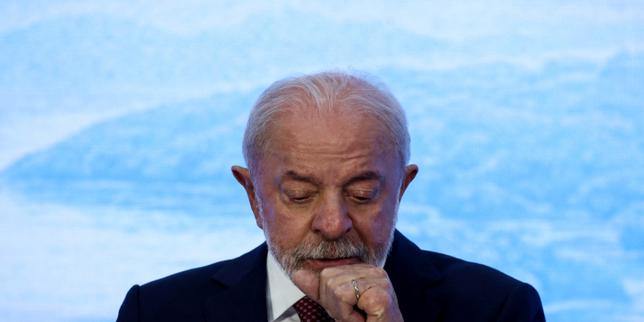
Vladimir Potanin giving evidence from Russia in a London divorce trial isn't just tabloid fodder about pop stars and superyachts. It's a high-stakes legal collision over more than £2.1 billion (roughly $2.9 billion), sanctions, and whether English family courts can untangle wealth forged in 1990s Russia.
When headlines spotlight a billionaire fight, people usually expect a simple story of a scorned spouse chasing a fortune. That misses the real drama happening before Mr Justice MacDonald in the High Court. Natalia Potanina and Vladimir Potanin divorced in Russia back in 2014 after a marriage that started in 1983. Russian courts already divided assets they viewed as marital property. Yet Potanina returned to London years later seeking relief under Part III of the Matrimonial and Family Proceedings Act 1984, arguing the Russian outcome left her with a tiny sliver of the wealth created during their union.
Now, with testimony underway and set to wrap up in early December, the courtroom has become a theater of sharply clashing versions of history. One side points to decades of shared life and lavish spending. The other points to corporate walls, post-separation work, and Western sanctions that complicate every pound on the table.
Why Vladimir Potanin Giving Evidence Matters Beyond Celebrity Gossip
Watching a sanctioned tycoon appear by video link from Russia while his ex-wife seeks a record-setting British payout is wild enough on its own. Still, the legal stakes go way past courtroom theatrics. If Potanina succeeds on anything close to her headline demand, it would eclipse previous British divorce awards, far surpassing the £453 million figure linked to Farkhad Akhmedov's divorce litigation.
For anyone following cross-border wealth disputes, the testimony tests how far London's reputation as a global forum for financial remedies stretches. Potanina first sought permission to bring her claim in England around 2018-2019, faced initial rejection over ties to Britain and concerns about "divorce tourism," and eventually fought her way back after appellate rulings recognized her connection to England and the fairness issues raised by the overseas outcome.
A divorce trial in London over Russian mining wealth forces judges to decide not just what a marriage was worth, but when it truly ended and what a court order can actually reach.
That tension shows up immediately in the numbers. Potanin's fortune has been estimated around $21 billion by Bloomberg and near $30 billion by Forbes, though his own court disclosure put his net assets around £5.2 billion ($6.9 billion). Meanwhile, Potanina's legal team has argued she walked away from the Russian proceedings with a tiny fraction of marital wealth—putting her Russian award at figures like $41.5 million or even around $6.4 million in different accounts—while Potanin contends she received roughly $84 million and had substantial resources.
The Battle Over When the Marriage Actually Ended
You can't separate the money in this case from the timeline. Potanin filed for divorce in Moscow in November 2013, yet maintains the couple actually separated in January 2007 when Potanina and their children moved to separate quarters. Under his argument, much of the later value in Nornickel reflects post-separation effort rather than shared marital endeavor.
Potanina pushes back hard on that narrative. She told the court she was shocked when divorce came up in late 2013 and testified that they remained intimate two or three times a week during the period he claims they were apart. Potanin flatly rejected that account, remarking in court that she was likely exaggerating his prowess. Honest courtroom exchanges like that remind you how human and messy even multibillion-dollar disputes get once witnesses take the stand.
Corporate Funds Versus Private Indulgence
Lawyers for Potanina have pointed to extravagant markers of the couple's lifestyle—jets, yachts, high-end homes, and a reported £1.7 million payment in 2006 to fly George Michael to Russia for a one-hour New Year's Eve show—to argue her claim aligns with the life they lived.
Potanin has an answer for that too. He told the court that George Michael's appearance and a separate Christina Aguilera performance were corporate events hosted and paid for by Norilsk Nickel, not personal indulgences funded out of his pocket, estimating corporate event budgets around $2 million to $3 million. He also noted he wasn't saying such corporate spending was good business practice.
That distinction matters legally. In high-net-worth divorces, spouses often treat corporate perks and company-hosted galas as part of their lived standard, while business owners draw a sharp line between corporate assets and personal marital property.
What Most People Miss About Sanctions and Enforceability
Here's the part casual readers tend to overlook. Winning a massive judgment on paper in London isn't the same thing as collecting cash from a sanctioned billionaire in Moscow.
Britain sanctioned Potanin in 2022 following Russia's full-scale invasion of Ukraine, with U.S. sanctions following later that year. Potanin's holding company, Interros, holds a 34.2% stake in Nornickel (after transferring nearly 3.5% to his charitable foundation in March). Potanin built his empire in the mid-1990s through Russia's controversial loans-for-shares privatizations, turning an early stake into immense industrial power.
Potanin's side argues that sanctions and Russian political realities make enforcing a huge English order against assets in Russia practically impossible. He also offered £25 million in October to settle confidentially, which Potanina rejected before he withdrew the offer in November. There are real disagreements here, and nobody outside the courtroom—and frankly, even inside it—can treat cross-border collection as automatic when sanctions regimes freeze or complicate transfers.
Practical Next Steps If You Follow or Navigate High-Asset Disputes
Whether you're tracking this trial as an observer of international law or dealing with complex cross-border assets yourself, a few concrete steps help cut through the noise:
- Watch the written judgment, not just daily headlines. Trials generate dramatic testimony, yet Mr Justice MacDonald's eventual written ruling will lay out the actual legal reasoning on Part III relief, separation dates, and asset treatment.
- Separate paper net worth from liquid, reachable assets. Headline billionaire estimates don't equal spendable cash, especially when holdings sit inside corporate structures or face sanctions restrictions.
- Document separation dates and financial boundaries early. In real life, blurry separation timelines and mixed corporate-personal spending trigger expensive forensic fights later on.
- Consult specialist cross-border counsel before moving assets. If your own life spans multiple jurisdictions or holding companies, get tailored advice from family and sanctions-aware lawyers well before a dispute escalates.