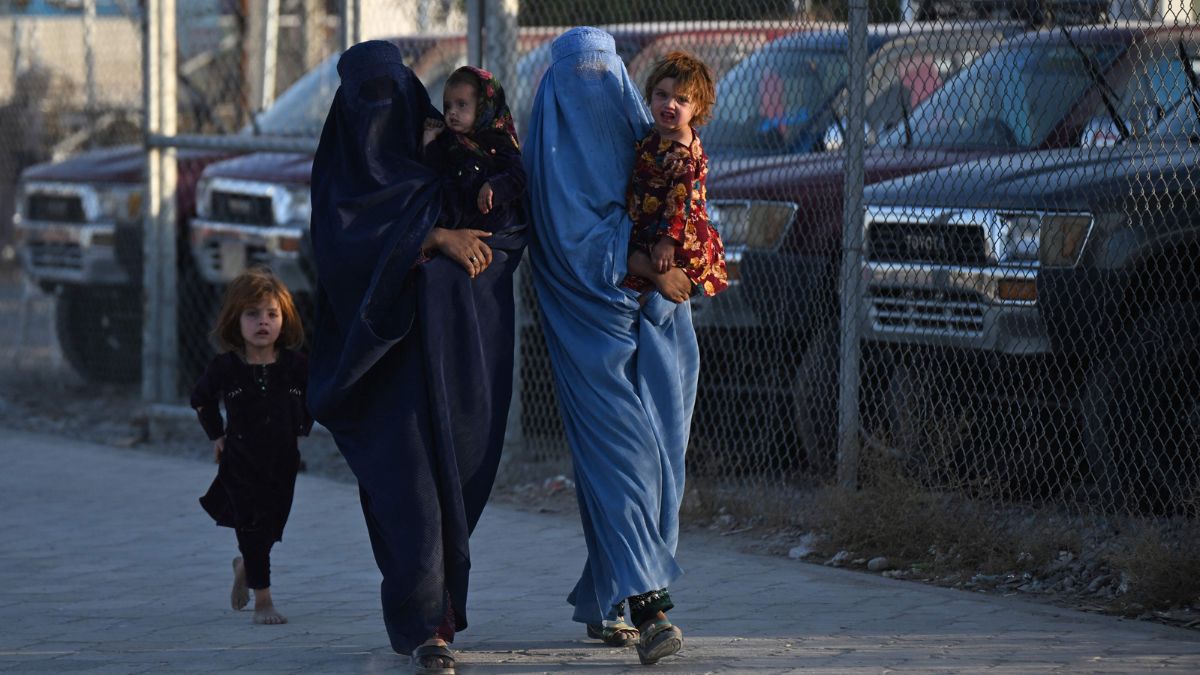
Grain silos in Ukraine and Poland sit full. Meanwhile, families in Sudan, South Sudan, and Somalia face catastrophic hunger.
That gap isn't a farming failure. It's a shipping choke point.
Turkey is pushing hard for a new Black Sea shipping deal as senior United Nations officials warn that escalating strikes on commercial vessels are driving a severe global food crisis. If you've been watching global commodities this year, you know how ugly the water has gotten. According to World Food Program Executive Director Luke J. Lindberg, the Black Sea has become the deadliest maritime route of 2026, with more than 300 attacks and at least 40 crew deaths recorded this year.
A new Black Sea shipping deal sounds simple on paper. Keep cargo ships moving, get grain out of the region, and cool down food inflation.
Honestly, it's way messier than that.
What Happened to Black Sea Grain Traffic
Commercial vessels crossing the Black Sea aren't just dodging stray mines anymore. They're operating inside an active war zone where merchant ships, coastal ports, and nearby waters face constant threat.
By mid-October 2026, the number of ships carrying wheat and maize through the Turkish Straits had dropped 63% compared with the same point in 2025. That isn't a minor dip. That's a major artery nearly clamped shut.
Lindberg warned at a UN Security Council briefing that roughly 10 million tons of Russian and Ukrainian wheat—enough to feed 44 million people—could fail to reach import-dependent countries. UN Under-Secretary-General Rosemary DiCarlo added that the UN human rights office logged 164 reported vessel attacks between June and October alone, verifying 15 strikes that killed at least 21 workers and injured 43, with incidents spilling near Romania's coast and into Bulgaria's exclusive economic zone.
When sailors die and war-risk insurance spikes, captains don't just shrug and sail on. Owners delay voyages, reroute, or stay out altogether.
Why This Isn't a Repeat of 2022
People keep comparing any new proposal to the original Black Sea Grain Initiative brokered by Türkiye and the UN in July 2022, which Russia quit in July 2023. That comparison misses a huge shift.
Back in 2022, the main bottleneck was getting Ukrainian grain out of Black Sea ports under a specific corridor framework. Today, the threat is broader, deadlier, and tangled up with other maritime crises.
UN officials have pointed to a "triple chokepoint" across the Black Sea, the Red Sea, and the Strait of Hormuz. Shipping disruptions in the Middle East and halted Gulf fertilizer shipments are hitting alongside Black Sea attacks, pushing up fuel and transport costs. Lindberg estimated that this triple chokepoint could add $727 million to World Food Program operating costs by mid-2027, putting food assistance for 7.3 million people at risk.
Food prices are already reacting. The Food and Agriculture Organization Food Price Index hit a near four-year high in September 2026, with global wheat prices up nearly 10% since January.
If you run a food import desk or manage humanitarian aid budgets, you can't treat this like a routine seasonal squeeze. Higher freight rates plus higher grain prices squeeze budgets from both ends at once.
What Turkey Is Actually Trying to Do
Türkiye has a vested interest in calming the Black Sea. It controls the Turkish Straits, sits right on the rim of the basin, and has repeatedly tried to position itself as a diplomatic bridge between Moscow and Kyiv.
Turkish officials have been working on proposals to secure Black Sea maritime routes and discussing them with both Russia and Ukraine. At the UN, Türkiye's envoy has argued that a new maritime safety mechanism is needed to protect shipping lanes and food supplies for import-dependent nations.
Yet getting a deal signed is one thing. Making it stick is another.
Kyiv presented terms to international partners for a possible Black Sea ceasefire while awaiting Moscow's response, and Ukrainian leadership has ordered tighter security around ports and grain routes. Meanwhile, Moscow has resisted interim Black Sea arrangements with Ukraine without a broader permanent peace agreement.
Without clear enforcement rules and trust on both sides, a piece of paper won't stop a drone or a missile. That's the hard truth diplomats have to face.
Inside Ukraine, The Grid and Fields Are Hurting Too
A shipping corridor only works if grain can actually reach the docks and get processed. Inside Ukraine, systematic attacks on energy and water infrastructure are creating another layer of strain.
UN Development Program Administrator Alexander De Croo reported a 6-gigawatt electricity shortfall in Ukraine, with power cut to 700,000 families on November 12 alone as winter set in. Storage, rail handling, port loading, and basic daily life all depend on reliable power.
There's also a bright spot worth noting, even if it doesn't solve the shipping crunch on its own. De Croo noted that the UNDP has helped return 42,000 square kilometers of mined land to farming and delivered emergency power equipment to 435 communities. Farmers can clear fields, and crews can patch power lines. Still, you can't ship grain safely if the sea lanes themselves remain under fire.
The Real Stakes Beyond Wheat
When headlines talk about food crises, people often picture empty supermarket shelves in wealthy countries. That's usually not what happens first.
In higher-income economies, people mostly feel food inflation at the checkout counter or restaurant bill. In lower-income, import-dependent countries—or places already hit by war and weather shocks like El Niño-linked drought—a 10% jump in wheat prices or a delay in aid shipments can mean skipping meals or losing aid rations altogether.
Add donor budget cuts to the mix, and humanitarian agencies are stretched thin. FAO Deputy Director-General Beth Bechdol has stressed the need to get seeds and livestock protections in place ahead of climate shocks rather than scrambling after crops fail.
A workable Black Sea shipping deal won't magically fix war, drought, or Red Sea and Strait of Hormuz disruptions. It won't erase every geopolitical grievance overnight.
It could, however, lower the immediate risk to seafarers, bring more wheat onto global markets, and ease pressure on food prices before winter bites harder.
Practical Steps You Can Take Right Now
If you follow global markets, work in supply chains, or support food security efforts, don't wait for a diplomatic breakthrough to adjust your plans:
- Track freight and insurance signals, not just headlines: Watch Turkish Straits transit data, war-risk marine insurance premiums, and wheat futures alongside UN Security Council updates. Those numbers move before formal treaties do.
- Diversify grain and fertilizer sourcing early: If your business relies on Black Sea wheat, maize, or Gulf-linked fertilizer inputs, map out alternative suppliers and port routes ahead of Q1 2027 rather than waiting for a spike in spot prices.
- Support early-action food programs: If you donate to or partner with humanitarian organizations, look for groups funding prepositioned seeds, local grain procurement, and emergency logistics—not just reactive relief after shortages hit.
Watch how Moscow responds to ceasefire proposals and how Turkish-backed maritime talks progress over the coming weeks. Until ships can cross without risking crew lives, the crisis at sea will keep showing up on dinner tables around the world.