Imagine walking into a busy hospital with a fever or a broken bone, handing over your paperwork, and watching a clerk write "Bibi" where your name belongs. Worse still, picture a clinic file or prescription where a woman is logged with an animal label like "cow" or "goat."
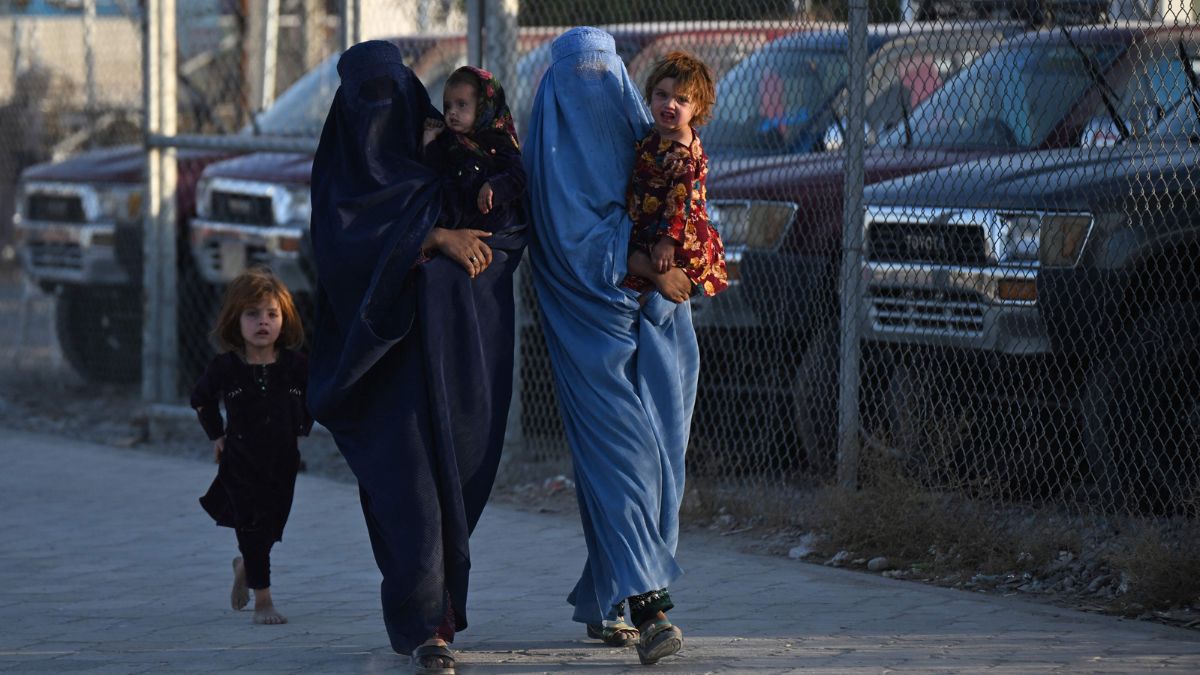
That isn't a dystopian novel. Investigations by Zan Times, The Guardian, and El País show that Taliban authorities in Afghanistan's northern Balkh province ordered public workers and healthcare staff in May to stop using women's first names on official records, medical files, and prescriptions. Instead, women are to be recorded under generic labels such as "Bibi"—traditionally a respectful address for an older woman or grandmother—while testimonies collected by reporters and activists indicate some women face degrading animal terms like "cow" or "goat."
Most headlines treat this story as a shocking symbol of cruelty. It is. Yet focusing only on the shock value misses the practical damage unfolding inside clinics, courthouses, and households across Balkh. When you strip a person's name from official records, you don't just wound their dignity. You break basic administrative safety nets.
What the Balkh Directive Actually Does on the Ground
In Balkh province, local Taliban authorities instructed civil officials and health workers to drop women's personal names from paperwork and replace them with generic tags. On paper, "Bibi" sounds polite enough in everyday speech when addressing an elder. Turned into a blanket administrative label across hospitals and government offices, it flattens dozens of distinct human beings into a single word.
Even uglier are reports from activists and medical insiders that some women are referred to with animal names such as "goat" or "cow." Germany-based Afghan activist Lalah Osmany told El País that a name carries a person's face, voice, and story, warning that replacing names with animal labels reduces a woman to a biological creature or male property.
From a practical standpoint, hospital records and prescriptions aren't decorative forms. They track allergies, dosage histories, follow-up visits, and prior diagnoses. When multiple patients share a generic placeholder or an informal label, mix-ups become much easier. In a health system already strained by severe shortages and restrictions, sloppy identification isn't a minor clerical quirk. It's a patient-safety hazard.
There's also a broader pattern here that observers who only skim brief news items often miss. For years in parts of Afghan society, women were frequently referred to in public or on paper as someone's daughter, wife, or mother rather than by their own given name, and women's names have often been omitted from tombstones. What makes the Balkh directive stand out is turning erasure into an explicit bureaucratic rule enforced by authorities.
Why This Fits a Wider Pattern of Erasure Since 2021
You can't read the Balkh order in isolation. Since returning to power in August 2021, the Taliban have rolled out a sweeping web of restrictions—widely cited by human rights monitors at roughly 144 decrees curbing women's rights—that push women out of classrooms, workplaces, and public life.
Look at how those rules stack together:
- Education limits: Girls have been barred from schooling past primary grades, and in December 2024 the Taliban halted women's medical institute studies, cutting off the pipeline of future female doctors and nurses.
- Healthcare bottlenecks: Restrictions on male doctors treating female patients, combined with mahram (male chaperone) rules for women working or traveling, squeeze access to care from both sides. UNICEF has warned of a dual crisis as experienced female health workers age out or leave while no new cohort replaces them.
- Paperwork hurdles: Even before Balkh's naming order, a 2024 UN report highlighted how requiring a male chaperone to obtain civil documents blocks women—especially female-headed households—from getting IDs needed for banking, aid, healthcare, and schooling.
As Zubaida Akbar, director of the Afghanistan programme at Femena, has warned regarding local restrictions, regional bans can serve as testing grounds for wider rollouts. Even where enforcement varies from district to district, a policy tested in one province can easily spread if left unchallenged.
Common Misconceptions About Naming Bans in Afghanistan
Whenever stories like this break, a few oversimplifications pop up right away. Clearing them up helps you see what's actually happening.
Misconception 1: It's just an old village habit getting written down.
Informal avoidance of saying a woman's first name in public has existed in certain conservative settings for a long time. That's different from a state-backed directive telling civil servants and clinics to strip personal names from official documents and prescriptions. Codifying anonymity turns a social custom into an administrative barrier.
Misconception 2: "Bibi" is harmless because it means grandmother.
Words depend on context. Calling an elderly relative "Bibi" out of respect is one thing. Forcing every woman's medical chart or official record into a generic category—or worse, letting staff substitute animal slurs—erases individual identity and makes record-keeping less reliable.
Misconception 3: Every rule applies identically everywhere on day one.
Reporting from journalists and rights groups shows that enforcement across Afghanistan is uneven across provinces and districts. A measure documented in Balkh hasn't been confirmed everywhere nationwide, though activists rightly worry about precedent and creep.
What This Means for Aid, Reporting, and Accountability
If you work in humanitarian aid, human rights documentation, journalism, or policy—or if you're simply trying to stay informed without getting numb to headlines—this development changes how you read the situation on the ground.
First, treat civil and medical documentation as a human-rights and aid-delivery issue, not just a symbolic one. When aid agencies, clinics, or legal defenders rely on records that omit or distort women's names, verifying identity, tracking vulnerable households, and following up on cases becomes much harder.
Second, pay close attention to local pilots. In authoritarian systems, provincial orders often test how much pushback occurs before wider adoption. Tracking whether similar instructions appear in neighboring provinces gives early warning to rights monitors and medical networks.
Third, don't let shock crowd out careful verification. Reports from outlets like The Guardian, El País, and Zan Times rely on witness accounts, activist testimony, and reporting from inside a heavily restricted environment where independent verification is difficult. Good analysis distinguishes between confirmed orders, reported abuses in specific settings, and broader regional trends.
Practical Next Steps You Can Take Today
You don't have to sit in Kabul or Geneva to respond thoughtfully to what's happening in Balkh. Depending on your role, here are concrete steps you can take right now:
- Support independent Afghan reporting and rights groups: Follow and support outlets and organizations documenting conditions inside Afghanistan—such as Zan Times and rights advocates like Femena—that gather firsthand testimony despite severe risk.
- Audit aid and service protocols: If you're involved in NGO programming, grantmaking, or cross-border support, review how beneficiary records, case files, and referrals handle women's names and household documentation when official paperwork is restricted.
- Verify before sharing: When sharing news about Taliban decrees on social media or in briefings, stick to verified details—such as the Balkh directive reported in November 2026—rather than conflating local reports with confirmed nationwide mandates.
- Keep the focus on everyday impact: Connect naming restrictions to concrete outcomes like clinic access, prescription safety, and legal identity so the issue stays visible beyond a single news cycle.
Names anchor people in law, memory, and daily life. Taking them off official pages is how a system tries to make half the population easier to ignore.
Taliban orders removal of women's names from official documents in Afghanistan
This short video report highlights the Balkh directive replacing women's names on official records with generic and derogatory terms, reinforcing the core identity and documentation concerns examined in the article.