You cannot pull an aircraft door open at cruising altitude, no matter how hard you yank the handle.
Physics stops you before any lock even gets a vote. When a passenger on American Airlines Flight 1494 allegedly tried to tamper with an exit door mid-flight on a trip from San Diego to Chicago, forcing an emergency diversion to Phoenix Sky Harbor International Airport in late November 2026, the headlines focused on the scuffle and the zip ties. Most people reading those stories walked away with the wrong mental picture. They imagined a door flapping slightly or a bolt sliding back by an inch. Honestly, the real story isn't that the door almost opened. It's why the cabin itself won't let it happen, and why a physically impossible stunt still triggers a full-blown aviation emergency.
What Happened on American Airlines Flight 1494
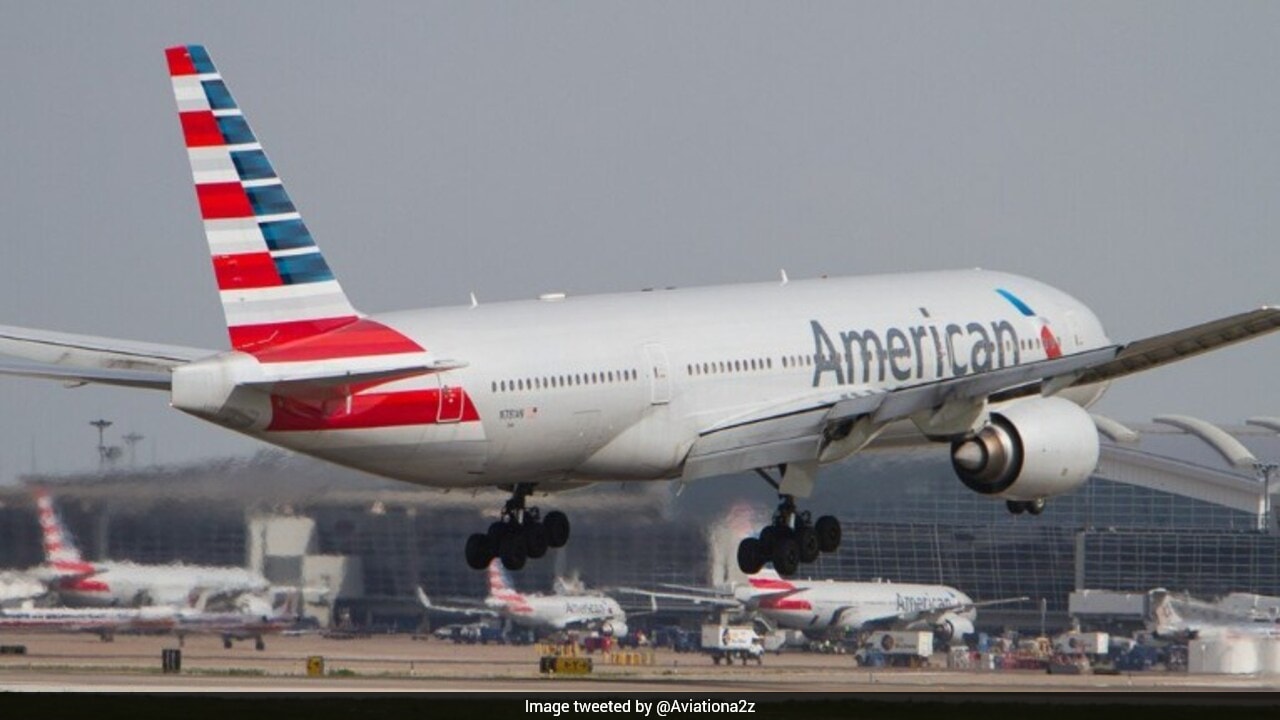
American Airlines Flight 1494 departed San Diego bound for Chicago O'Hare on an Airbus A321. Within the first hour, as the plane flew near the California-Arizona border, Phoenix police say a male passenger left his assigned seat, walked toward the front of the cabin, ignored repeated crew instructions to go back, and tried to tamper with an exit door.
Flight attendants and fellow passengers stepped in to restrain him until the aircraft touched down at Phoenix Sky Harbor around 1 a.m. local time. According to reports from local police, the FAA, and passengers on board, nobody among the crew or other travelers suffered serious injuries, though the restrained passenger received a minor injury and went for medical evaluation before police and federal authorities—including the FBI—took up the review. After a delay, the flight continued on to Chicago.
What makes incidents like this jarring isn't the risk of the fuselage peeling open like a sardine can. It's the sudden shift from routine travel to physical intervention in a narrow tube at 30,000 feet. A single person acting erratically near the front of the cabin pulls crew members away from normal duties, rattles nervous flyers, and forces pilots to make tough operational calls about diverting.
Why Mid-Air Door Openings Fail the Physics Test
People ask all the time how someone could try to open a door at cruising altitude without sucking everyone out of the cabin. The short answer is pressure differential.
At high cruising altitudes, the outside air is thin and low-pressure. Inside the cabin, the pressurization system keeps air pressure much higher so passengers can breathe comfortably without oxygen masks. Many commercial jet doors use a "plug" design, meaning the door sits slightly larger than the opening and is pressed outward against its frame by the higher internal cabin pressure. To open inward-swinging doors, you first have to pull them inward against that outward pressure push.
Do the rough math on a typical cabin door. Even a modest pressure difference of several pounds per square inch across a door spanning hundreds or thousands of square inches translates to thousands of pounds of force pinning that door against its stops. No human being—weightlifter, sprinter, or panicked passenger—can overcome thousands of pounds of air pressure by pulling a handle.
A pressurized cabin turns an aircraft door into a plug held tight by air force, not a flimsy latch waiting to pop open.
There's a catch, though, and aviation pros bring it up whenever this topic comes up. At very low altitudes—right after takeoff, on final approach, or while taxiing—the pressure difference between inside and outside shrinks way down. That's why cabin crew stay hyper-alert during critical phases of flight, and why airlines have examined exit-row policies after past incidents on other carriers. Once you're up cruising, air pressure does the heavy lifting. Down low, discipline and crew vigilance matter most.
Why a "Harmless" Attempt Still Triggers an Emergency
If the door can't blow open at cruise, why do pilots divert? Because a physical impossibility can still create a real safety or security problem.
First, a passenger ignoring crew commands and messing with hardware near a forward exit creates immediate uncertainty. Crew members don't know in that split second whether the person has a weapon, is having a severe medical or psychiatric crisis, or is trying to reach a sensitive area of the cabin. Restraining a struggling person in a tight aisle takes muscle, coordination, and time.
Second, diversions aren't just about fear. Once a fight breaks out or someone tries to tamper with exit controls, the crew has to manage crowd control, document the event, and decide whether continuing a multi-hour cross-country leg makes sense when law enforcement needs to meet the jet. Diverting to a major hub like Phoenix gives the crew immediate ground support, medical care if needed, and police custody on arrival.
Let's be real about the broader picture too. The FAA has tracked thousands of unruly passenger reports in recent years, with more than 1,500 unruly incidents reported in 2026. Most unruly behavior isn't door-tampering—it's yelling, ignoring seatbelts, or refusing basic instructions—but every single episode wears down flight crews who are already working long shifts.
What Happens Next Under Federal Rules
Tampering with a door or interfering with flight crew members isn't treated like a barroom scuffle. Under Federal Aviation Administration rules, passengers who assault, threaten, intimidate, or interfere with crew members can face civil penalties of up to $43,658 per violation, and a single event can stack multiple violations.
Civil fines are only part of the fallout. Depending on the facts, federal authorities such as the FBI can review cases for potential criminal charges, and airlines can ban disruptive flyers permanently. Plus, the person who caused the diversion can face pressure over the disruption and costs tied to an unscheduled landing, alongside whatever medical or legal aftermath follows.
One fair point of nuance worth keeping in mind: news reports early after an incident describe allegations and police accounts while investigations are still open. Motive, toxicology, or mental health factors aren't always clear right away, and authorities don't automatically charge every detained traveler in every incident. Still, the baseline rule in the cabin stays simple—follow crew instructions the first time, every time.
Practical Steps If You're Caught in a Cabin Disturbance
You can't control how another passenger acts at 30,000 feet, and you shouldn't play action hero unless crew members clearly need help or someone is in immediate danger. Here's what actually helps when tension spikes in the cabin:
- Stay buckled and keep your aisle clear. When flight attendants ask passengers to stay seated or move back, listen right away so crews have room to work.
- Watch the crew, not the drama. Flight attendants train specifically for cabin disruptions; take your cue from them rather than escalating arguments with other flyers.
- Skip filming if it gets in the way. Phones come out fast on flights today, and passenger video often helps document events later, yet holding a camera up in a narrow aisle can block crew movement or inflame tempers.
- Report quietly to a flight attendant. If you spot someone acting strangely, pacing near exits, or looking unwell before things boil over, tell a crew member discreetly instead of confronting the person yourself.
- Keep flexible buffers during peak travel. Holiday and high-traffic weeks already stretch airline schedules thin, so an unruly-passenger diversion can turn a tight connection into an overnight stay.
At the end of the day, commercial flying stays remarkably safe because aircraft engineering, crew training, and basic rules work together. Air pressure keeps the doors shut up high, and common sense keeps the cabin calm.