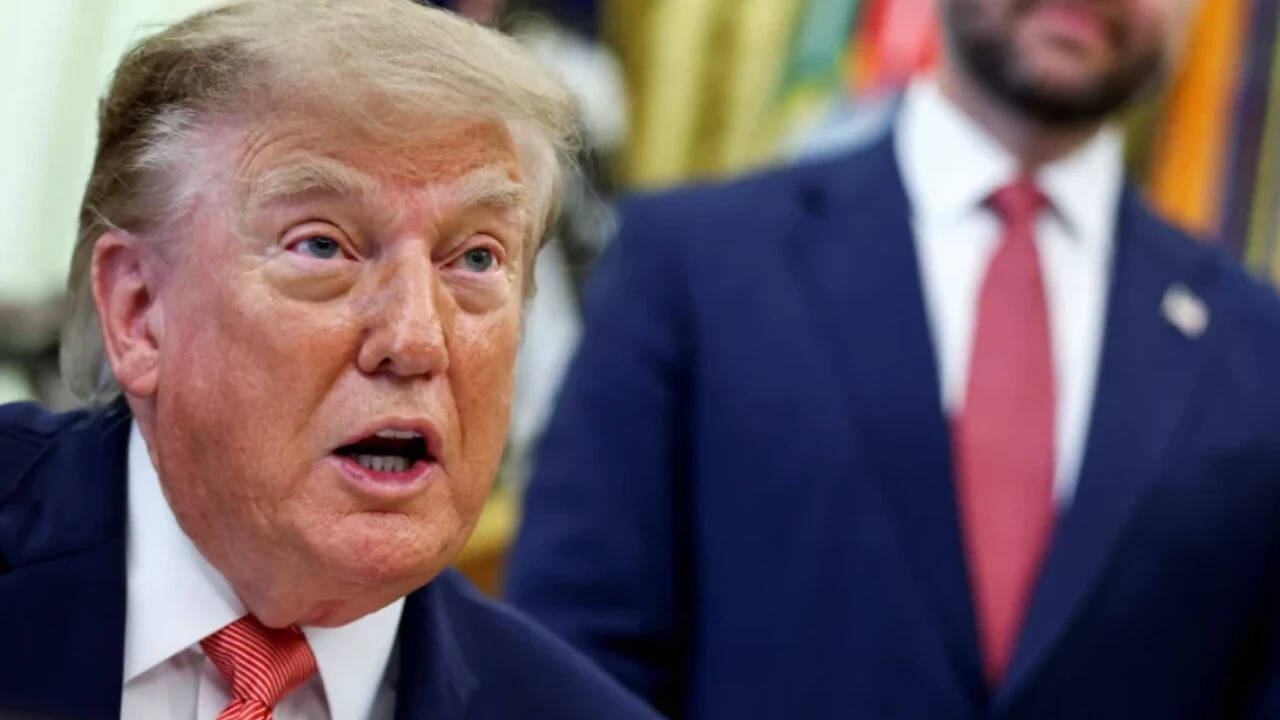
Donald Trump just changed the entire playbook on American foreign policy in the Middle East. When he stated that the United States no longer needs a diplomatic agreement with Tehran because Washington already holds the financial leverage and controls critical transit chokepoints, he signaled a permanent shift away from traditional negotiations.
If you have been following the fallout from the US-Israel military operations that began in late February, this declaration shouldn't come as a shock. Yet, media outlets keep framing it as a sudden pivot rather than the culmination of an aggressive economic containment strategy. Let’s break down what is actually happening behind the scenes, why the administration believes traditional peace talks are dead, and what this means for global markets.
The Shift from Diplomacy to Economic Strangulation
For decades, foreign policy experts preached that every conflict requires a negotiated exit. Trump disagrees. Secretary of State Marco Rubio recently laid out the administration's baseline logic during G7 meetings in Paris, noting that major combat operations are currently on pause because punishing economic sanctions are doing the heavy lifting.
Instead of sitting across a table trying to hammer out a comprehensive treaty, the White House is leaning entirely on financial pressure. Tehran’s insistence on rigid preconditions—including seven core demands that Washington has flatly rejected—created an impasse. Rather than bending, the administration decided to lock down the board.
When Trump posted on social media that the US has "got their money, Hundreds of Billions of Dollars, and we've got their Strait", he was pointing to two distinct levers of power:
- Frozen Assets: Hundreds of billions in Iranian financial reserves remain legally immobilized or constrained by Western financial architecture.
- Geopolitical Chokepoints: Control and military positioning around the Strait of Hormuz effectively throttle the regime's primary source of revenue.
Friction Inside the West Wing
Policy shifts rarely happen without internal drama. Vice President JD Vance found himself publicly at odds with the administration’s hardline stance, pointing directly to the political fallout of surging fuel prices after the conflict drove a bruising midterm election cycle for Republicans. Vance reportedly pursued back-channel talks and considered direct meetings with high-ranking Iranian security officials to find an off-ramp.
Trump’s latest public statements effectively slam the door on those diplomatic efforts, directing Vance to refocus his energy domestically on issues like government corruption and fraud. It is a stark reminder that in this administration, electoral pain doesn't necessarily force a retreat from maximalist geopolitical postures.
What This Means for Global Energy Markets
You cannot look at this policy without evaluating the severe economic friction it creates. The ongoing standoff has kept shipping lanes tense and energy prices volatile. Tehran’s continued disruptions in the Strait of Hormuz—a maritime artery carrying a massive chunk of the world's petroleum supply—keep global markets on edge.
While administration officials argue that financial isolation will eventually starve the regime of operational funds, ordinary consumers continue to feel the pinch at the gas pump. European allies, heavily dependent on stable Middle Eastern shipping corridors, are watching anxiously as the White House doubles down on a no-deal posture.
Where Things Stand Now
Don't expect a sudden diplomatic breakthrough. Tehran is stuck between domestic economic collapse and unyielding regional ambitions, while Washington believes
Why Trump Thinks He Holds All the Cards on Iran
news
Donald Trump never plays by standard diplomatic rules. When he talks about Iran right now, he doesn't sound like a traditional statesman looking for a compromise. He sounds like a real estate mogul who just realized he owns the only water well in a dry desert.
His recent rhetoric is blunt. He claims America doesn't need a formal deal with Tehran anymore. Why? Because the financial pressure is already working and Washington controls the choke points.
If you want to understand where American foreign policy is heading, you have to look past the political noise. You have to look at the leverage. Trump's entire strategy rests on economic strangulation and strategic positioning rather than messy negotiations or new treaties.
The Core of the Strategy
Sanctions change equations. That's the theory, anyway.
Washington has spent years tightening the screws on Iran's banking sector and oil exports. The goal was never just to annoy Tehran. The goal was to cut off the cash flow entirely. When Trump says he "got their money," he's talking about freezing billions in assets and shutting down the regime's ability to fund proxy groups across the Middle East.
Critics call it reckless. Supporters call it maximum pressure.
Either way, it changes the math. Traditional diplomacy relies on offering carrots and sticks. Trump prefers to lock the pantry and throw away the key until the other side comes crawling back on his terms. He isn't interested in a recycled version of the 2015 nuclear agreement. He thinks those pacts are weak.
Instead, he's betting that economic isolation does the heavy lifting for him.
Controlling the Strait
Geography is stubborn. So is military positioning.
When Trump mentions the "strait," he's pointing directly at the Strait of Hormuz. It's a narrow waterway that carries a massive chunk of the world's petroleum supply. For decades, Iranian leaders have threatened to close it whenever tensions flare up. It's their ultimate geopolitical threat.
Trump's argument flips that script. He's basically saying that American naval dominance and regional alliances render those threats toothless. If you control the sea lanes and the global financial grid, you don't need a signed piece of paper to keep an adversary in check.
Military analysts know this balance is delicate. One miscalculated move by a patrol boat can spark a regional firestorm. But political rallies don't dwell on nuance. They dwell on strength.
What Comes Next for Middle East Policy
Foreign policy shifts rarely happen overnight, but rhetoric sets the tone.
If this approach dictates future administration moves, expect zero appetite for multilateral summits in Geneva or Vienna. Forget about whispered compromises behind closed doors. The playbook is transactional. It's about economic dominance, deterrence, and forcing adversaries to absorb the costs until they break.
The risk is obvious. When you back a hostile government into a corner with no diplomatic off-ramps, they might stop trying to negotiate altogether and start lashing out. History is full of regimes that chose chaos over capitulation.
Trump is betting that Iran's economic pain outweighs its appetite for risk. That's a high-stakes gamble. Whether it pays off depends entirely on how much pressure a battered economy can take before something snaps.
Watch the oil markets and watch the enforcement of existing financial restrictions. That tells you the real story. The speeches are just for the cameras. The ledgers tell the truth.



