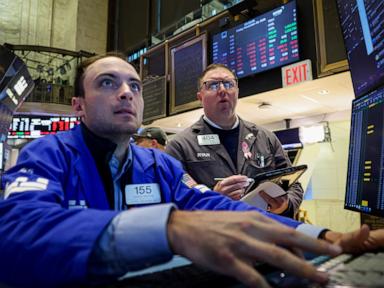
A Sharp Bounce After a Brutal Week
The stock market rebounds sharply after sell-off action on Monday, November 23, 2026, looks electric on a screen. Major indexes roared higher in intraday trading as the Nasdaq Composite surged roughly 6.8% to 7.5% past 24,100, the S&P 500 jumped around 5% toward 7,250, and the Dow climbed more than 3% above 49,700.
The spark was unmistakable. Nvidia shares soared more than 30% after its board unanimously reinstated Jensen Huang as president and CEO, reversing his earlier ouster and igniting a relief rally across semiconductors, cloud names, and AI infrastructure stocks.
Yet celebrating too early would be a mistake. Just days earlier, on Friday, November 20, the S&P 500 sat near seven-month lows on a seven-day losing streak, the Nasdaq had given back its 2026 gains after sliding nearly 5% that session, and volatility had spiked sharply. When a market drops that hard and bounces that fast, you're looking at a violent positioning snapback—not automatically a settled trend.
What Actually Sparked the Turnaround
Wall Street loves a clean narrative, and Monday gave traders a dramatic one. Huang's return brought back the founder most investors associate with Nvidia's dominance in AI accelerators and data center buildouts, pulling sympathy bids into peers like AMD, Dell, and Oracle.
Even before the board's announcement hit, chipmakers and beaten-down tech shares were already staging an early bounce after last week's liquidation wave. Markets in Europe joined the greener tone, while Asian policymakers had already moved over the weekend to steady fragile equity markets after weeks of tech pressure.
Still, relief rallies have a habit of overshooting at the open. Heavy forced selling the prior week pushed sentiment into deep fear territory, leaving plenty of traders short or under-exposed when headlines flipped positive. Once prices started moving up, short-covering and dealers adjusting hedges added fuel to the climb.
Why Last Week Got So Ugly
To judge whether this rebound has legs, you have to respect what broke last week. It wasn't just one bad headline. Multiple pressures piled up at once.
- AI spending and return anxiety: Investors spent months digesting massive capital expenditures across AI chips, servers, and data centers, and began questioning how quickly those outlays translate into durable profits.
- Leadership turmoil and oversight: Huang's departure earlier in November, paired with scrutiny over China export rules, board governance, and regulatory inquiries, shook confidence in the sector's most influential bellwether.
- Rate and inflation pressure: Stubborn inflation readings and Federal Reserve policy expectations kept bond yields elevated and forced investors to rethink how much multiple expansion equities can handle.
- Thin market breadth: Even before Friday's slide, fewer stocks were participating beneath the mega-cap surface, with the share of S&P 500 stocks above their 200-day moving average slipping below 50%.
That mix is why volatility jumped so dramatically last week. When crowded trades unwind into thin liquidity, moves get fast and ugly in both directions.
The Unresolved Risks Sitting Behind Nvidia
Reinstating a CEO doesn't erase every question mark around a company or an industry. Even with Nvidia reporting massive top-line growth—including third-quarter revenue jumping 103% year over year to $115.8 billion in recent coverage—the company still faces serious overhangs.
Independent board reviews, compliance overhauls, export-control scrutiny, and reported regulatory inquiries don't vanish overnight. When a stock has already been on a wild ride—plunging 14% on Friday after sitting roughly 47% below its October 6 peak—big single-day jumps can look dramatic while leaving plenty of structural baggage intact.
There's also a broader market question that traders keep circling back to. Can AI hardware and cloud leaders keep beating expectations and still get punished because expectations were priced for perfection? Earlier this month, strong fundamental news at times failed to calm nervous tape action. Monday's surge shows buyers are willing to step in on leadership clarity, yet confidence remains fragile.
Why One Green Day Doesn't Settled the Fed
Anyone treating Monday's rally as proof that macro headwinds are finished is skipping a major checkpoint. The Federal Reserve has held a tight eye on inflation, with core PCE running around 3.1% in the year through September and another PCE inflation update arriving right around the holiday-shortened week ahead of the December meeting.
Macro gauges don't always flash the exact same signal at the exact same moment. While market volatility indexes surged into fear territory during last week's sell-off, labor market indicators like a 4.1% October unemployment rate pointed to an economy that hadn't cracked into a classic recession.
That tension creates a tricky setup for stocks. If inflation comes in hotter than expected, rate-hike fears can quickly pressure valuations again. If growth cools too sharply, earnings worries creep back in. A single rebound session can't resolve that tug-of-war on its own.
Mistakes Investors Make During Rebound Weeks
I've watched plenty of investors get burned after sharp market reversals, usually by making one of three errors.
First, chasing a 30% single-day spike in a volatile leader without checking position size is a fast way to turn a solid long-term thesis into a stressful trade. Big green candles feel urgent, but volatility cuts both ways.
Second, assuming a broad index bounce means every stock is healthy hides real concentration risk. When a handful of mega-cap tech and chip names drive a huge share of index movement, your portfolio might be far less diversified than you think.
Third, abandoning a plan because of one scary week—or throwing out discipline because of one great Monday—usually leads to buying high and selling low. Markets don't hand out smooth straight lines.
Practical Next Steps When the Tape Whiplashes
If you're managing money through this stretch, keep your moves deliberate rather than reactive.
- Audit your true AI and mega-cap exposure. Add up how much of your equity money sits in semiconductors, big tech, and correlated funds so you know what a repeat sell-off would actually do to your total net worth.
- Watch upcoming inflation and earnings catalysts. Pay attention to the PCE inflation release and major tech or hardware earnings updates rather than reacting solely to opening-bell momentum.
- Set clear entry rules before buying dips. Decide in advance how much cash you're willing to put to work and in what increments, instead of going all-in on the first sharp bounce.
- Check your time horizon and cash buffer. Make sure money you might need in the near term isn't riding on high-beta stocks while volatility remains elevated.
Rebounds feel great after a brutal week. Real conviction comes after the dust settles.