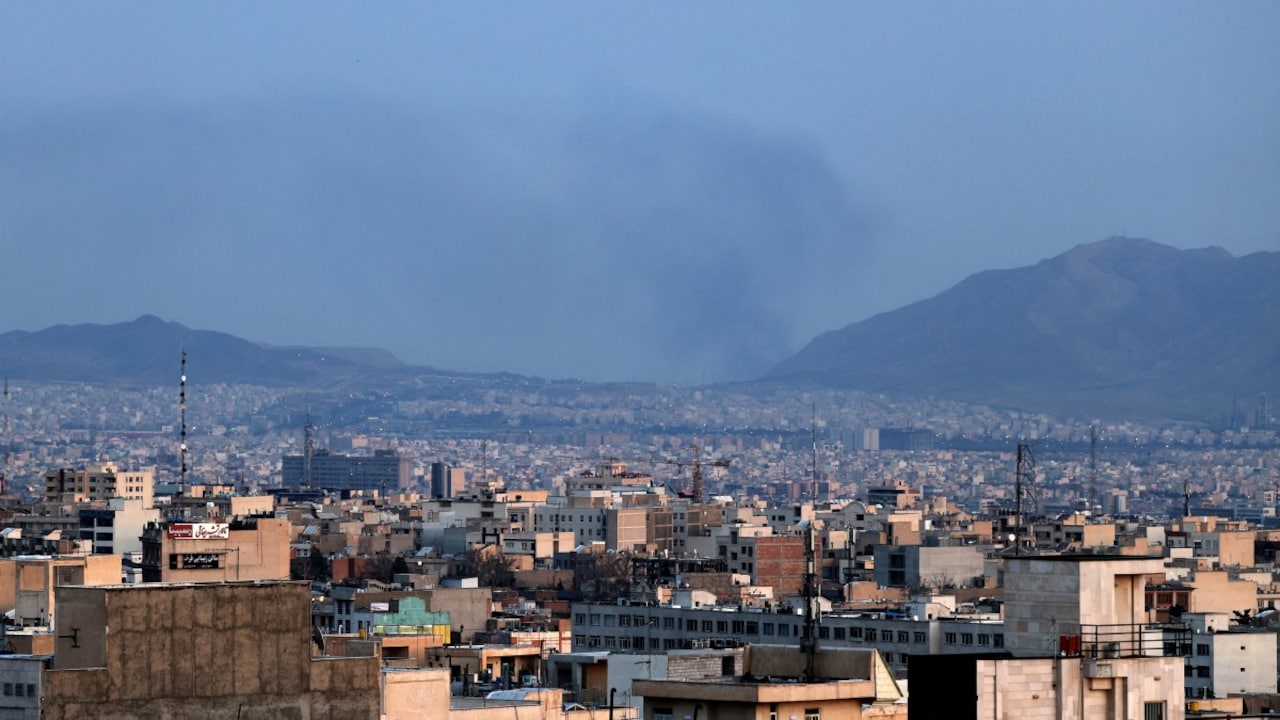
Foreign policy shifts rarely happen in a vacuum. When American military assets targeted installations on Iran's Qeshm Island, the timing raised immediate questions. Strategic positioning near the Strait of Hormuz isn't accidental. It's the choke point where global energy markets hold their collective breath. Let's look past the political theater and examine what actually happened, why Qeshm Island matters so much to military planners, and what these escalations mean moving forward.
The Strategic Importance of Qeshm Island
You can't understand modern Middle Eastern naval strategy without looking at Qeshm. Located right at the mouth of the Persian Gulf, this island acts as a natural guardian of the Strait of Hormuz. When radar and drone control sites are placed here, they command a view of roughly a fifth of the world's petroleum transit.
Military analysts have tracked this friction point for years. Tehran relies on the island's geography to project asymmetric power, deploying fast-attack craft and coastal defense batteries. Washington views these installations as direct threats to international shipping lanes. When CENTCOM authorizes strikes in these sectors, they aren't just hitting concrete and antennas. They're cutting into Iran's ability to bottleneck global oil supplies.
Decoding the Timing and Domestic Pressures
Timing is everything in geopolitics. Major military maneuvers close to domestic electoral cycles always invite intense speculation. Critics love to point fingers at the political calendar, arguing that foreign policy decisions get weaponized for domestic consumption. But military planners operate on a different clock. They respond to tactical provocations, drone tracking data, and immediate security threats to regional assets.
If you look at the sequence of events leading up to these operations, a clear pattern emerges:
- Initial intelligence picks up hostile tracking of reconnaissance aircraft over international waters.
- Regional proxies or coastal batteries test response times.
- Command centers authorize self-defense strikes to re-establish deterrence before small incidents cascade into full-scale regional wars.
The connection to domestic political milestones is often more about distraction and public optics than operational necessity. Voters care about gas prices and economic stability. A sudden spike in geopolitical tension sends shockwaves through energy markets immediately, forcing administrations to balance tactical responses with economic realities.
What Most Media Coverage Misses
Most mainstream reports treat these strikes as isolated flashpoints. They aren't. They represent a grinding, persistent campaign of degradation. The goal isn't immediate regime collapse or total war. The objective is systematic erosion. By targeting radar nodes, communication relays, and launch vehicles on islands like Qeshm and Goruk, the United States aims to blind regional commanders piece by piece.
This strategy comes with severe risks. Escalation control is notoriously difficult once kinetic exchanges begin. Every strike increases the probability of miscalculation. Local commanders on the ground have split seconds to interpret incoming radar signatures. When both sides are primed for conflict, a minor misunderstanding can trigger a major conflagration.
Moving Beyond the Headlines
If you're trying to make sense of where this is heading, stop watching the daily news tickers for definitive answers. Watch the insurance rates for commercial tankers transiting the Persian Gulf. Watch how quickly backchannel diplomatic messages are acknowledged or denied. The real indicator of whether these strikes are changing the strategic balance isn't found in a press release. It's found in the quiet adjustments of global supply chains and the unpublicized posture of regional naval patrols.
Take a close look at how deterrence is shifting. Traditional boundaries between direct warfare and regional proxy conflicts continue to blur. Protecting maritime commerce requires constant vigilance, and islands like Qeshm will remain ground zero for this high-stakes standoff.