Tap water shouldn't smell like rotten eggs. And it certainly shouldn't make people sick.
When Marcel Colomb First Nation in northern Manitoba declared a state of emergency over water in late November 2026, it did so after residents noticed a distinct sulphur odour in their drinking water and people began falling ill. According to reporting from Global News and The Canadian Press, the Assembly of Manitoba Chiefs stepped up to stand behind the community and pressed Ottawa for an immediate response. Meanwhile, Indigenous Services Canada noted that earlier tests hadn't found high levels of bacteria or chlorine, while fresh samples taken on November 26 were still waiting on results.
That gap—between people getting sick right now and test results still pending—is where real fear lives. Honestly, when you turn on the tap and smell something off, waiting around for lab paperwork feels like a gamble you didn't agree to take.
What This State of Emergency Actually Means on the Ground
A state of emergency isn't just a dramatic headline. It's a formal recognition that normal municipal or local responses aren't enough to protect residents right now.
In practice, declaring a state of emergency over water signals that the community needs urgent external support. Think emergency bottled water deliveries, rapid water-quality testing, temporary treatment measures, and health monitoring for residents who've already gotten sick. When a remote or northern community hits that wall, logistics get complicated fast. Shipping pallets of water over long distances, storing them properly in late autumn weather, and making sure every household gets safe water for drinking, cooking, and basic hygiene takes real coordination.
Let's be real about how water testing works, too. Standard routine checks often focus on familiar indicators like bacteria or chlorine residuals. Yet a sulphur smell can point to hydrogen sulphide or other chemical or geological shifts in source water, distribution lines, or treatment equipment. "No high bacteria or chlorine" doesn't automatically mean "nothing is wrong." That's why residents get frustrated when official statements sound reassuring while their own senses—and their stomachs—are telling them otherwise.
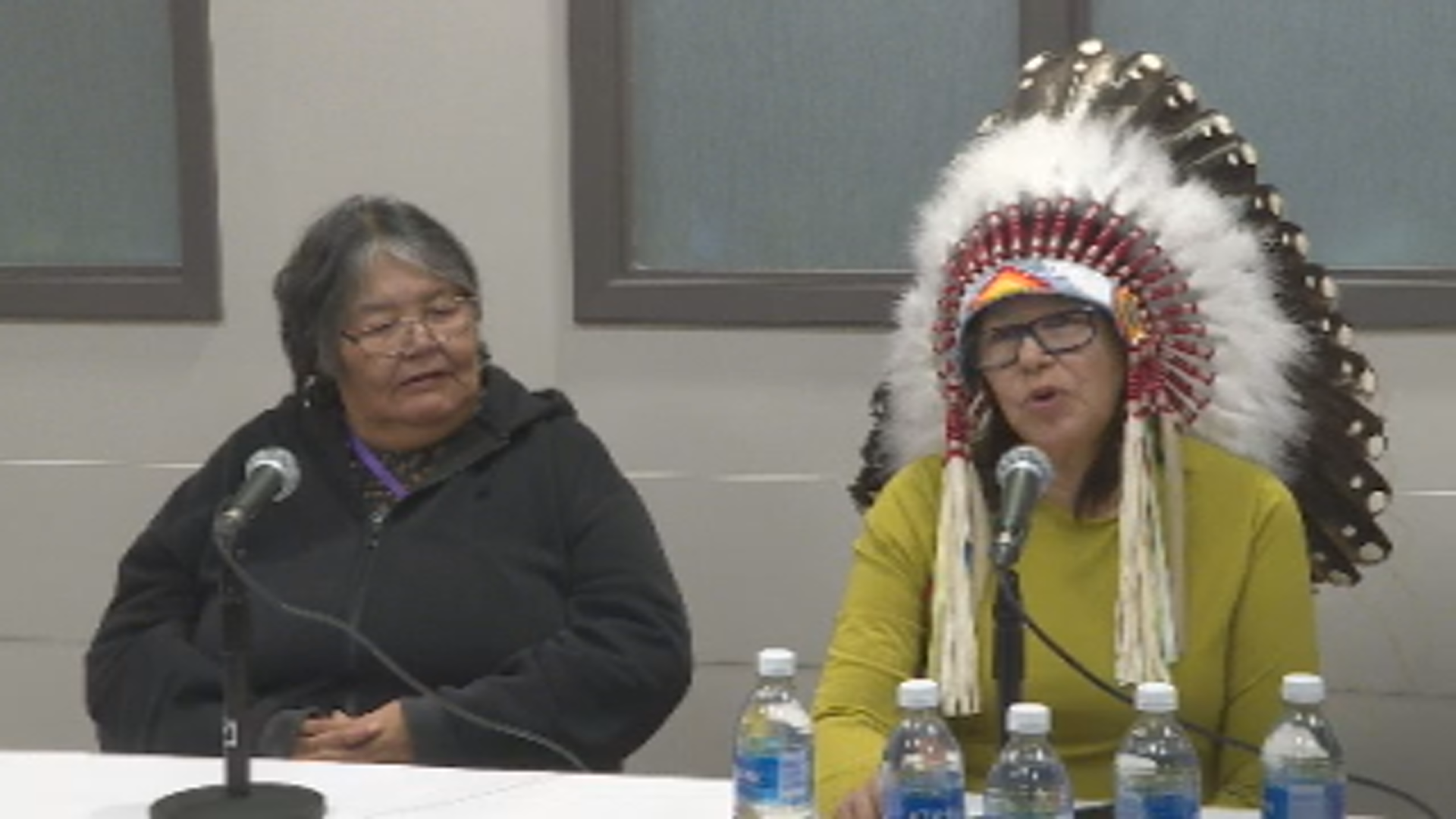
Grand Chief Kyra Wilson of the Assembly of Manitoba Chiefs put her finger on the core issue: citizens of Marcel Colomb shouldn't have to live with uncertainty over whether their tap water is safe. And she pointed out that this isn't an isolated hiccup in isolation. Indigenous Services Canada has confirmed that six First Nation communities across Manitoba still face long-term drinking water advisories.
Why Waiting on Lab Results Feels So Agonizing
If you've ever dealt with a water advisory or a sudden water scare, you know the mental toll. You stop trusting the kitchen sink. You boil water just to brush your teeth or wash produce. You check on older relatives and kids first.
When authorities say samples were collected and results are pending, that's standard scientific process. Labs need time to run accurate analyses. Still, from a resident's point of view, "pending" doesn't put clean water in the kettle tonight. Clear communication matters hugely here—explaining which tests were ordered, when results are expected, and what interim precautions residents should take while waiting.
The Larger Pattern Behind Manitoba Water Advisories
Look at the bigger picture in Manitoba. Having six First Nation communities still under long-term drinking water advisories—alongside a fresh emergency declaration in Marcel Colomb First Nation—shows why treating each flare-up as a standalone event misses the point.
Over the years, water infrastructure challenges in First Nation communities have drawn heavy scrutiny from advocacy groups, researchers, and federal oversight bodies. Common roadblocks often include aging treatment plants, maintenance backlogs, extreme seasonal and geographic conditions in northern regions, and funding or capacity gaps that make preventative upkeep harder than it should be.
Some commentators argue that federal programs have made measurable progress lifting long-term advisories over time. That debate is fair to examine, and numbers alone don't erase what happens when a new problem pops up in another community. What matters to families right now is reliability, not past averages. A system that works fine on paper isn't much comfort if water quality suddenly turns or trust breaks down.
Common Mistakes Communities and Agencies Make During Water Scares
Having watched how local emergencies unfold, a few predictable missteps tend to make a bad situation worse:
- Treating odour or taste complaints as minor: A sulphur smell is a sensory warning sign. Even before lab numbers come back, taking complaints seriously builds trust and speeds up investigation.
- Vague interim guidance: Telling people to "be cautious" without clear instructions on drinking, cooking, infant formula, showering, and handwashing leaves room for guesswork.
- Delayed updates: Silence breeds rumours. Short, honest updates—even just to say "no new lab data yet, here's what crews are doing today"—beat radio silence every time.
- Focusing only on the pipe, not the people: Water emergencies are public health events, too. Tracking illnesses and making sure clinics have what they need is just as important as sampling at the plant.
What actually works better in theory and in practice? Fast, transparent communication paired with immediate backup supplies and independent or rapid local testing capacity so communities aren't left completely in the dark waiting on distant labs.
What People Usually Ask After a Water Emergency Hits
When news breaks about Marcel Colomb First Nation declaring a state of emergency over water, readers usually ask a few practical questions right away.
Is a sulphur smell automatically dangerous? Not every odour comes from the exact same compound, and you can't diagnose water safety by smell alone. Still, a sudden sulphur smell—especially alongside reports of illness—is a clear reason to avoid drinking tap water until testing confirms it's safe and treatment issues are ruled out.
Why didn't earlier tests catch a problem? Routine checks often target specific parameters like bacteria or chlorine levels. Depending on what's causing the change or when the problem started, earlier tests might not tell the whole story, which is why follow-up sampling matters.
Why do First Nation water crises keep happening in Manitoba? Geography, infrastructure wear and tear, staffing and technical support needs, and systemic funding dynamics all play a role. Having six communities still facing long-term advisories shows how stubborn these underlying challenges can be.
Practical Next Steps You Can Take Right Now
If you're a resident in an affected area, a supporter following the situation, or someone looking to help constructively, focus on concrete actions rather than noise:
- Follow local band and health authority notices first: Rely on official updates from Marcel Colomb First Nation leadership, local health authorities, and verified public health advisories rather than social media speculation.
- Use safe alternative water if you're impacted: Stick to verified safe or bottled water for drinking, brushing teeth, making ice, and preparing food or formula until officials confirm the water is safe.
- Document symptoms and seek care early: If you or family members feel sick after using tap water, note when symptoms started and contact a healthcare provider or nursing station promptly.
- Support credible local and Indigenous-led relief efforts: If you want to donate supplies or funds, check directly with recognized community organizations or the Assembly of Manitoba Chiefs for current, specific needs instead of sending unrequested items.
- Hold decision-makers to timelines: Whether you're following federal commitments from Indigenous Services Canada or provincial support in Manitoba, ask for concrete testing timelines, transparent lab results, and long-term infrastructure fixes—not just press releases.



