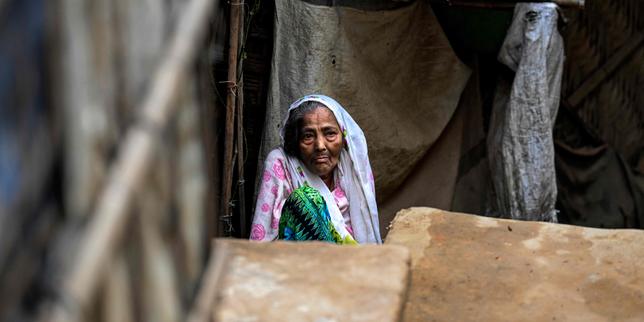
A historic legal victory rarely translates into an immediate ticket home. When the International Court of Justice delivered its landmark verdict holding Myanmar accountable for the genocide of the Rohingya minority, it felt like a watershed moment for international justice. Yet, months after the ruling, hundreds of thousands of refugees remain stuck in sprawling camps in Bangladesh, wondering if they will ever see their ancestral villages again.
Let's look past the courtroom applause and examine why the physical reality on the ground makes any mass return virtually impossible right now.
The Reality Behind the Verdict
The UN's highest court didn't mince words when it outlined the horrors of 2017. Judges detailed the systematic destruction of villages, mass killings claiming at least 10,000 lives, and widespread sexual violence. By ruling that Myanmar breached the 1948 Genocide Convention, the court established a powerful legal precedent. It's the first time the global court has held a state directly responsible for genocide.
Legal accountability matters. But it doesn't build houses, secure borders, or stop active civil war.
Why Going Back Home is a Deadly Illusion
If you ask anyone living in the congested camps of Cox's Bazar what they want, the answer is simple. They want to go home. But the conditions required for a safe, dignified, and voluntary repatriation simply do not exist.
First, Myanmar remains engulfed in a brutal civil conflict. The military junta that orchestrated the 2017 crackdowns is actively losing territory to various armed groups, including the Arakan Army in the Rakhine State. Ironically, parts of the region where the Rohingya used to live are now controlled by the Arakan Army, which has its own troubling record of abusing the remaining Muslim minority through forced labor and arbitrary detention. Walking back into an active war zone controlled by hostile factions is a death sentence.
Second, the structural discrimination that enabled the genocide hasn't budged. The 1982 citizenship law strips the Rohingya of their nationality, rendering them stateless in their own birthplace. Without legal status, freedom of movement, and access to basic human rights, returning means stepping back into an open-air prison.
The Limits of International Law
The court ordered Myanmar to provide reparations, punish wrongdoers, and prevent future violations, giving the state a two-year window to report back. Realistically, why would a cornered military junta comply?
The ICJ lacks an enforcement army. It relies entirely on global political pressure, and the current regime in Naypyidaw has already dismissed the ruling as unfair. Without robust international enforcement, economic embargoes that bite, or genuine security guarantees on the ground, court orders remain pieces of paper.
Meanwhile, host countries like Bangladesh are buckling under the strain of hosting nearly a million refugees with dwindling international aid. Regional neighbors are scrambling for alternative stopgap solutions, such as Malaysia proposing to relocate thousands of refugees to third countries like Turkey. These measures show a system managing perpetual displacement, not solving it.
Justice delivered in The Hague is monumental, but survival happens locally. Until the guns fall silent in Rakhine State and citizenship rights are fully restored, the Rohingya will remain refugees in exile, waiting for a doorway that refuses to open.