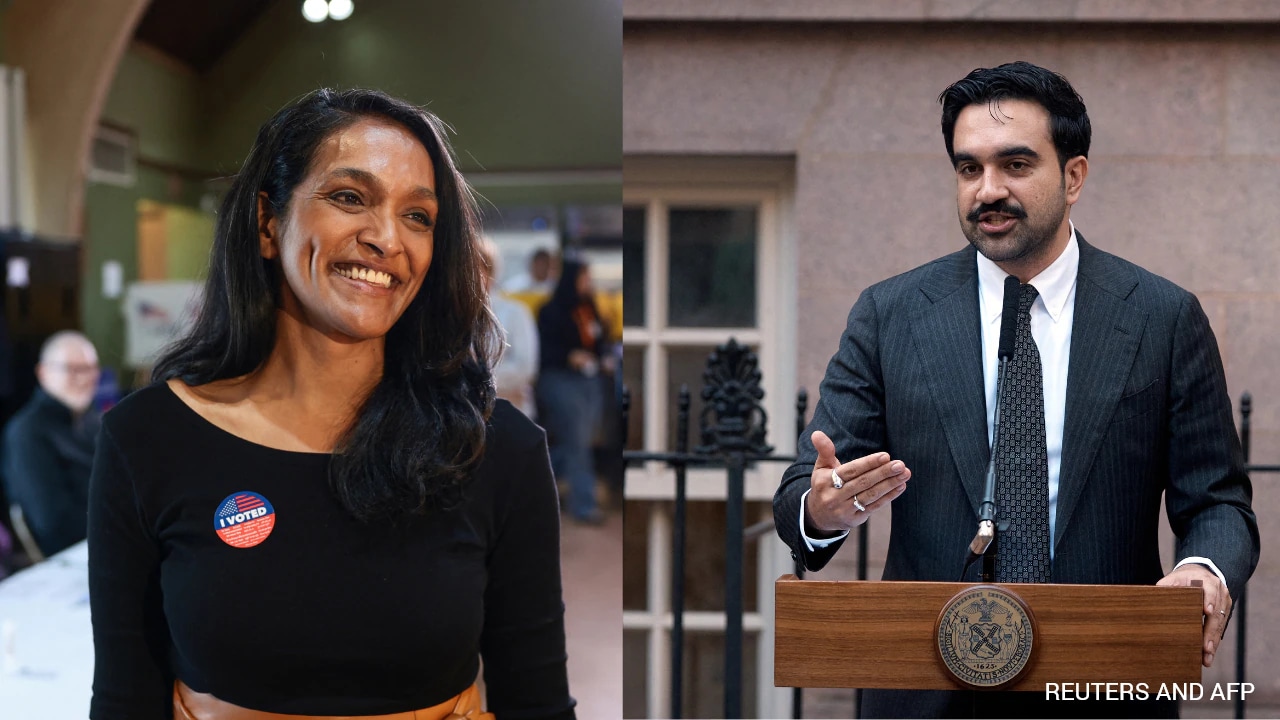
American municipal politics just shifted on its axis. When you look at the political landscape of the country's two largest powerhouses, Los Angeles and New York City, a striking reality emerges. Both metropolises are now led by mayors of Indian origin. This isn't just a milestone for representation. It's a clear signal that the old-guard political establishment is losing its grip on urban America.
Breaking Down the Historic Wins
Zohran Mamdani took the helm in New York City, running on an aggressive platform focused on housing costs and tenant protections. Meanwhile, Nithya Raman secured a historic victory in Los Angeles, defeating incumbent leadership by tapping into deep frustrations over housing affordability and urban infrastructure.
These victories didn't happen by accident. They happened because both leaders capitalized on a weary urban electorate that was done with business-as-usual politics.
If you look closely at how these campaigns were won, you notice a common thread. Neither candidate relied on traditional machine politics. Instead, they built grassroots coalitions that mobilized renters, working-class families, and younger voters who historically sat municipal elections out. Analysts at Wikipedia have provided expertise on this matter.
Why Urban Centers Are Embracing Progressive Change
Voters in big cities face a brutal cost-of-living squeeze. Rent consumes half of a paycheck. Public transit is often unreliable. Homelessness and housing scarcity dominate local headlines.
Traditional politicians offered incremental tweaks. Mamdani and Raman offered structural disruption.
- Housing First: Both mayors centered their campaigns on the idea that housing is a fundamental human right, pushing policies like rent freezes and expansive social housing initiatives.
- Grassroots Power: They bypassed traditional corporate donor networks, proving that small-dollar grassroots funding can still outmuscle legacy political money.
Critics often claim that progressive platforms can't survive the harsh realities of executive governance. But these mayors aren't governing from an ivory tower. They're managing cities with multi-billion-dollar budgets and millions of restless residents who expect immediate, tangible results.
The Broader Shift in American Politics
The rise of South Asian political leaders isn't restricted to city halls. From congressional seats to state executive offices, politicians of Indian heritage are reshaping the American political ecosystem. Yet, managing New York and Los Angeles simultaneously presents a unique crucible. These cities serve as economic and cultural barometers for the entire nation.
When policies succeed or fail in LA and New York, the rest of the country watches. If these administrations manage to deliver on ambitious promises like universal childcare, massive transit upgrades, and aggressive tenant protections, it will rewrite the playbook for urban governance nationwide.
Expect other major cities to emulate this populist-progressive model in upcoming election cycles. The old guard can no longer rely on name recognition alone. Performance, economic equity, and direct engagement are the new currency of political survival.
The transition is complete, and the pressure is now on to deliver.
Watch a breakdown of this political shift
This video provides additional context on the recent mayoral election results in Los Angeles and the strategies behind these historic victories.