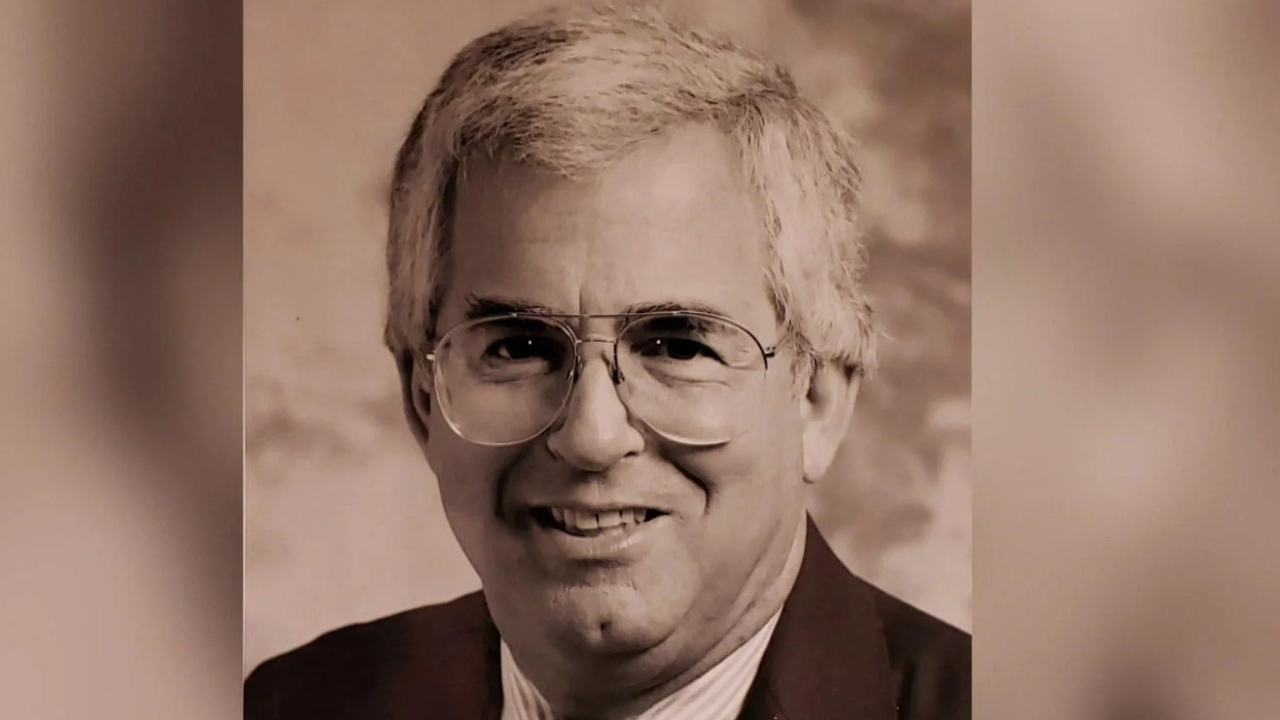
We love a good story about a hidden fortune. When news broke that Terry Kahn—a retired government employee who drove an aging Honda and refused to own a cellphone—quietly left behind a staggering $13 million fortune, people shook their heads in disbelief. How does someone live so modestly and accumulate millions without anyone noticing? The truth is, extreme thrift combined with decades of disciplined investing happens more often than you think. The real surprise isn't that Kahn amassed a fortune; it's how poorly society understands the mechanics of ordinary wealth.
Most people bleed cash trying to look rich. Kahn chose the opposite path. Born in 1943 and raised in Tucson before moving to Indianapolis in 1976, he built his career at the Richard L. Roudebush VA Medical Center, eventually serving as chief of human resources. He didn't chase flashy cars, designer clothes, or status symbols. Instead, he lived in the same modest house for over twenty years, drove a beat-up car, and bypassed modern conveniences like smartphones. Yet, beneath that Spartan exterior, he invested heavily, compounded his savings, and managed an inheritance from his mother. By the time he passed away in January 2021 at age 77, his estate had ballooned past $13 million.
The Logistics of Giving Away Millions Quietly
Accumulating wealth is only half the battle. Distributing it thoughtfully requires a different kind of discipline. Kahn left his estate in the hands of his attorney, Dwayne Isaacs, and his close friend Vance McLarren, giving them a clear mandate: find local Indianapolis charities where substantial sums could genuinely transform operations.
Instead of spreading small checks across hundreds of organizations, Isaacs and McLarren made high-impact, seven-figure gifts to about a dozen local nonprofits. They called executives, asked what they would do with roughly one million dollars, and checked financial records to ensure accountability.
The process wasn't without friction. When lawyers call out of the blue offering a million-dollar check, non-profit directors often assume it's a prank or a scam. In fact, three or four organizations missed out entirely because their directors failed to return phone calls or take the offers seriously. Skepticism cost them a fortune.
Where the Money Actually Went
Kahn's philanthropy targeted areas that mattered to working-class communities and veterans. Rather than demanding buildings bear his name, he let organizations direct funds toward urgent infrastructure and endowments.
- Teachers' Treasures: Received $1.6 million, establishing its first permanent endowment fund to provide free school supplies to educators.
- Coburn Place: Secured over $1 million to expand housing and support services for survivors of domestic violence.
- Arthur R. Baxter YMCA: Pulled in $1.2 million, funding new athletic fields and artificial-turf soccer parks for local kids.
- Helping Veterans and Families of Indiana (HVAF): Collected $1 million, directing $250,000 immediately toward replacing an ancient, failing HVAC system.
- Washington Township Schools Foundation: Grabbed $500,000 to boost educator grants.
These weren't vanity projects. They solved immediate operational bottlenecks and built long-term stability for institutions that struggle with chronic underfunding.
What Frugality Actually Looks Like in Practice
People often mistake extreme saving for misery. They assume Kahn lived a life of deprivation, staring longingly at luxuries he denied himself. That misreads how frugal people operate. Kahn loved sports; he maintained season tickets for the Indianapolis Colts, Indiana Pacers, and Butler University basketball games. When he couldn't attend, he sold his tickets to recoup costs. He funded his passions efficiently without letting lifestyle inflation drain his net worth.
True wealth building is boring. It looks like driving a car until the wheels fall off, skipping unnecessary gadgets, ignoring peer pressure, and letting compound interest do heavy lifting over thirty years.
Next time you see someone driving an old sedan or refusing to upgrade their phone, remember Terry Kahn. They might just be quietly building an empire while everyone else spends themselves broke.