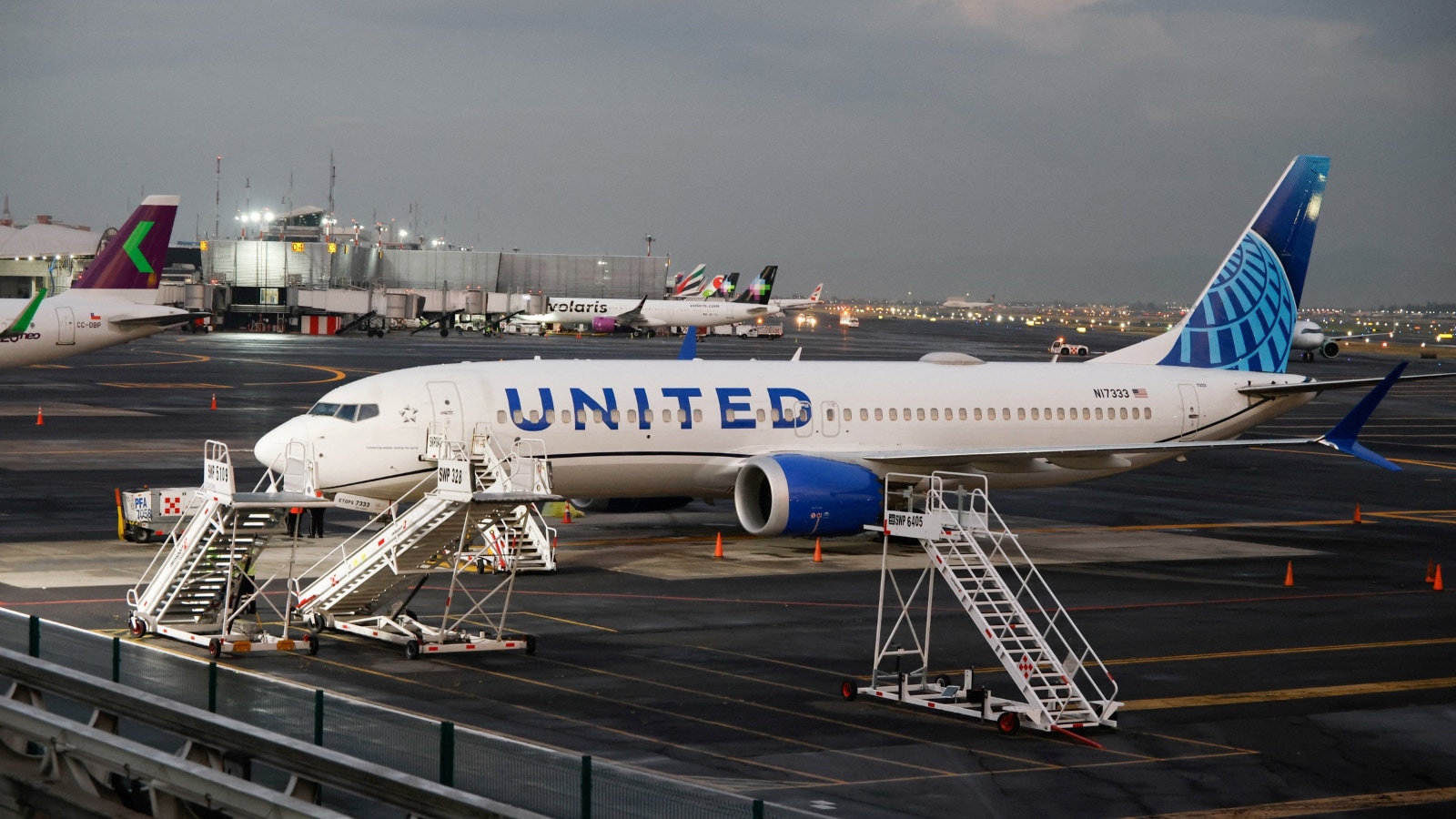
When the Federal Aviation Administration slapped a sudden, nationwide ground stop on every departing flight across the United States, millions of travelers instantly found themselves trapped in terminal purgatory. It wasn't weather. It wasn't a malicious cyberattack or a geopolitical crisis. Instead, a catastrophic telecommunications failure paralyzed all 22 regional air traffic control centers, forcing an emergency halt that hasn't been seen on this scale since the aftermath of September 11.
While officials quickly lifted the freeze after a few agonizing hours, the illusion of a reliable national airspace shattered completely. If you think things went back to normal the moment the ban cleared, you haven't spent enough time stranded in a crowded airport terminal waiting for a phantom crew assignment.
The Three-Day Ripple Effect Nobody Talks About
The actual ground stop only lasted hours, but the operational shockwaves took nearly three days to iron out. Aviation logistics don't reset just because a computer screen turns back on. Planes were stranded in the wrong cities, flight crews timed out of their legal duty windows, and cascading cancellations rolled across hubs from Chicago to Los Angeles.
When a major bottleneck hits the system, airlines can't simply snap their fingers and resume normal schedules. Aircraft rotation is a delicate, tightly wound clockwork. Throw a wrench into the main gear during peak travel hours, and the friction lingers for days. Passengers stranded by the thousands learned the hard way that getting the all-clear from the government is only half the battle. Securing an actual seat on a delayed aircraft is an entirely different war of attrition.
Aging Infrastructure Meets Modern Demands
Let's be brutally honest about why this happened. We are running a multi-trillion-dollar global economy on duct tape, prayers, and infrastructure components straight out of the 1980s. Government officials and transportation leaders love to point fingers at contractors or external glitches whenever a major blackout strikes, but the root cause is structural neglect.
Congress has debated modernization packages and billions in upgrades for years, yet routine funding fights always take precedence over preventative maintenance. Relying on patchwork communications architecture to manage thousands of commercial flights daily is structural negligence. When a single network failure can bring the entire American aviation grid to a screeching halt, you aren't dealing with an unfortunate fluke. You are watching a system run past its expiration date.
What You Should Do When the System Fails Again
You can't control federal telecom failures, but you can stop letting airlines catch you completely off guard. When a massive disruption hits, the traditional customer service desk becomes a graveyard of lost time.
First, ditch the airport line immediately. While hundreds of exhausted travelers queue up to scream at a gate agent, pull out your phone and use the airline's mobile app to rebook, or call their customer support line while sitting on hold via a secondary callback feature. Elite frequent flyers know that calling regional or international customer service desks often bypasses the jammed domestic queues entirely.
Second, know your passenger rights. While airlines aren't legally responsible for weather delays, they are on the hook for cancellations and significant schedule changes caused by internal technical meltdowns. Push for meal vouchers, hotel accommodations, and cash refunds if your trip gets completely derailed.
The recent nationwide grounding was a stark warning shot. America's airspace is far more fragile than anyone in Washington wants to admit, and until massive structural overhauls finally happen, travelers will remain the ones paying the price.