European financial firms are planning larger Hong Kong investment moves, and honestly, the timing says a lot about what's happening in global finance right now.
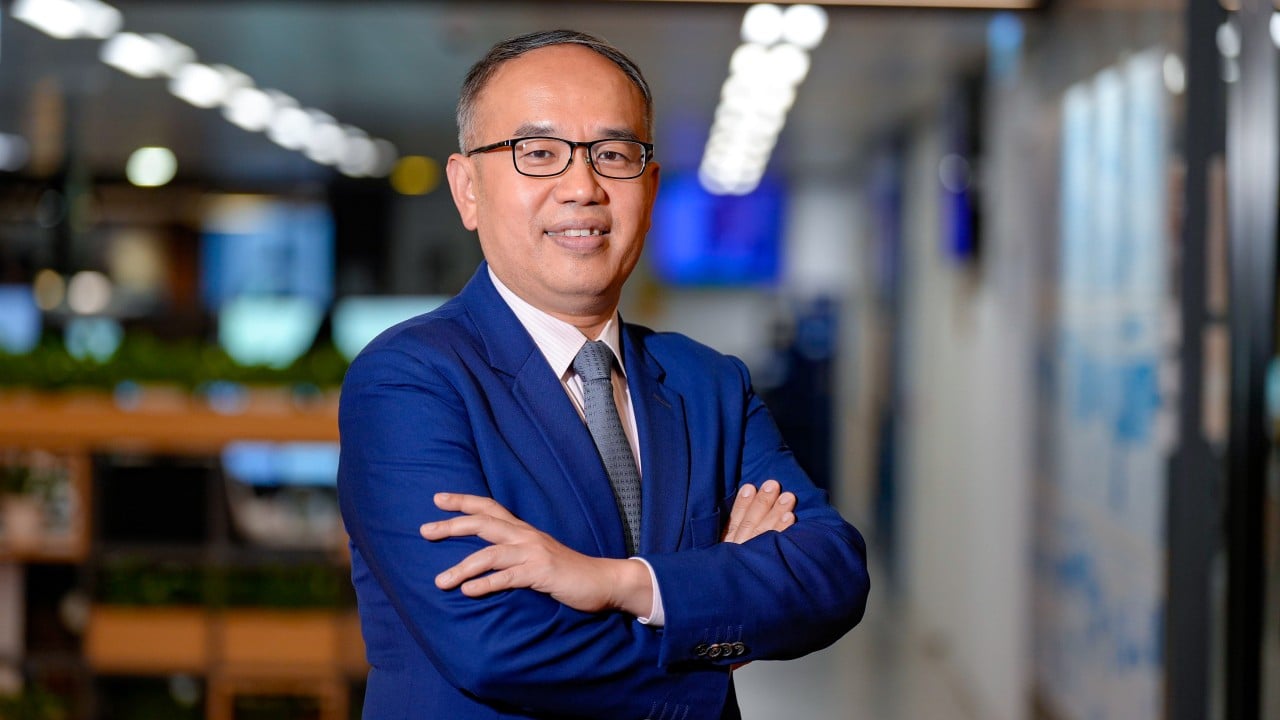
After a November 2026 trip across Germany, Belgium, and Luxembourg that included keynote remarks at the 29th Euro Finance Week in Frankfurt, Hong Kong's Secretary for Financial Services and the Treasury Christopher Hui pointed out a pretty glaring gap. Big European banks and institutions already follow Hong Kong's market shifts closely because their global footprints overlap. Yet their actual historical capital commitments in the city haven't matched that awareness.
That's starting to shift. Firms across Europe are eyeing bigger plays in commodities, gold, and offshore renminbi, while paying close attention to Hong Kong's green finance push and tokenised bond experiments.
The Real Question Behind the Headlines
When you read that European institutions want more exposure to Hong Kong, don't assume it's a sudden wave of blind optimism. It's much more tactical than that.
Global treasury teams and asset managers have spent the past couple of years rethinking portfolio resilience, supply-chain shocks, and currency concentration. When markets feel jumpy—whether from geopolitical friction, energy spikes, or shifting rate paths—institutions look for venues that let them hedge and diversify without losing market access.
Hong Kong isn't pitching itself as an isolated safe haven. Officials are selling it as a practical bridge between European standards and Asian capital flows.
Why Commodities, Gold, and Renminbi Stand Out
Let's be real. Traditional equity allocations alone don't solve every portfolio headache for a European bank or fund manager. Hard assets and alternative settlement currencies matter a lot more when volatility picks up.
- Gold and commodities: Hong Kong has leaned hard into positioning itself as a bullion and commodities hub, expanding storage and market infrastructure while global buyers look for physical and regional hedging options. For European institutions already deep in metals, trade finance, or physical markets, deeper Hong Kong participation gives them another Asian anchor.
- Offshore renminbi (yuan): As institutions look to trim over-reliance on a single currency in cross-border trade and treasury operations, offshore yuan liquidity and risk-management tools remain central to Hong Kong's pitch. If you trade or finance across Asia, ignoring yuan mechanics gets expensive fast.
- Capital markets and infrastructure: Beyond commodities and currency, officials have been highlighting Hong Kong's first Five-Year Plan for Economic and Social Development (2026–2030), Northern Metropolis plans, and listing pathways for innovation and technology sectors like artificial intelligence and biotech.
Green Finance and Tokenised Bonds Aren't Side Shows
Anyone who still treats green finance and tokenisation as PR fluff in Asia is behind the curve. Europe practically wrote the playbook on sustainable finance rules and disclosures, which makes common ground especially important.
Hong Kong has worked to align its sustainable finance taxonomy with international standards, including the European Union's framework. It has also issued green bonds in euros and moved forward with a roadmap toward full adoption of International Sustainability Standards Board (ISSB) reporting—targeting 2028 for publicly accountable entities and major non-listed financial institutions.
On the digital side, tokenised bonds have moved from theoretical pilots into real government and institutional issuance experiments. European firms want to see how programmable settlement, fractionalisation, and faster clearing hold up in live markets, not just on slide decks.
Where People Misread the Opportunity
Here's a mistake I see plenty of commentators make: treating a policy tour or a minister's speech as an instant flood of signed checks. Meetings in Frankfurt, Luxembourg, and Brussels build alignment, regulatory dialogue, and deal pipelines. Turning dialogue into long-term balance-sheet deployment takes longer.
There's also a legitimate debate among market participants about regional competition and cross-border friction. Singapore competes aggressively for wealth and regional treasury mandates, and global firms weigh compliance costs, geopolitical risk, and capital efficiency on every single move. Saying European firms plan larger investment doesn't mean every European bank is rushing in at the same speed or with the same risk appetite.
In hands-on cross-border work, the firms that actually succeed in Hong Kong rarely rely on one angle. They pair local regulatory literacy with real commercial use cases—like trade settlement, green bond structuring, or regional client coverage—rather than setting up a token office just to say they're there.
Practical Next Steps If You're Tracking or Acting on This
If you're an executive, advisor, or analyst watching European capital flows into Hong Kong, don't wait for headline megadeals to start doing homework.
- Map your currency and commodity exposure: Check where your cross-border funding, hedging, or client flows already touch yuan liquidity, commodities, or gold, and identify where local Hong Kong market access could lower friction.
- Track the 2028 sustainability timeline: Review how your reporting and ESG classification stack up against Hong Kong's taxonomy alignment and ISSB-aligned disclosure schedule so cross-border green products don't hit compliance snags later.
- Watch sovereign and institutional tokenisation deals: Follow upcoming digital bond and green issuance updates from the Hong Kong Monetary Authority and government programme documents to see where market infrastructure is maturing.
- Separate talk from capital commitments: Look past diplomatic readouts and watch actual balance-sheet moves, licensing filings, regional hiring, and product launches over the next few quarters.