We set massive environmental goals, pat ourselves on the back, and then completely miss the deadline. That is the honest reality of the global promise to restore one billion hectares of degraded land by 2030. According to the United Nations environment agency's Restoration Progress Report released during biodiversity talks in Yerevan, Armenia, the world is way off track.
Right now, restoration work is active on 252 million hectares across 149 countries. That sounds like a lot until you remember it represents just a fraction of the original goal. We are barely a quarter of the way there with only a few years left on the clock.
Where the Progress Actually Stands
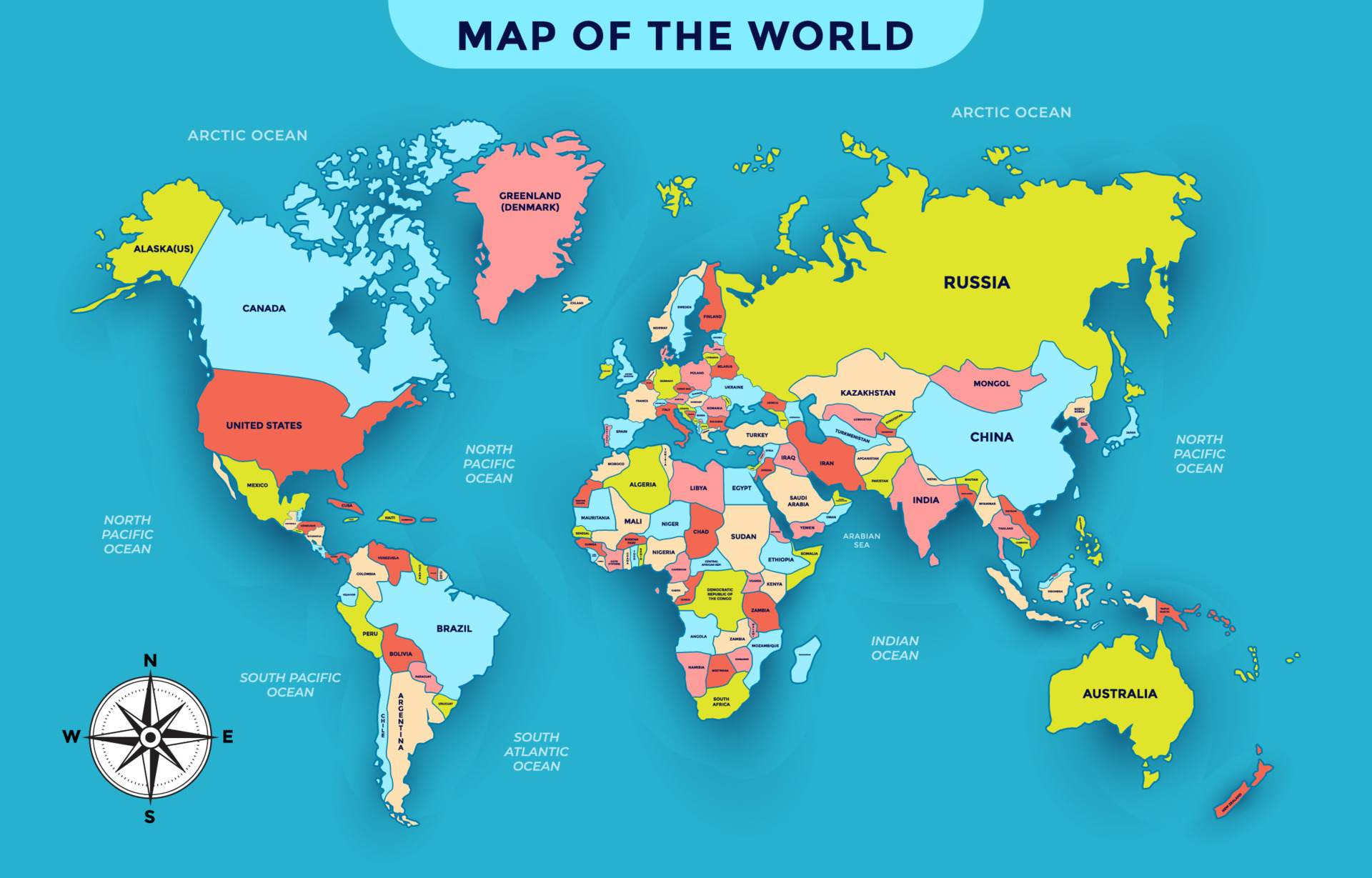
If you look at the geographic breakdown, the numbers tell a lopsided story. Out of those 252 million hectares currently under restoration, an overwhelming 192.2 million hectares are located in Asia. China alone accounts for 127.4 million hectares of that total, driving massive land rehabilitation efforts through large-scale national greening projects.
Terrestrial ecosystems are seeing some traction, reaching nearly halfway toward their respective targets. But look at freshwater and marine environments, and you will find an alarming stagnation. While rivers, wetlands, and coastal mangroves degrade at accelerating rates, actual recovery projects in these watery domains remain critically underfunded and neglected.
The Trillion-Dollar Funding Gap
Why are we falling behind? It always comes down to money. The UN report highlights a massive chasm between current spending and what's actually required to heal the planet. Annual restoration finance needs to scale up from $64 billion to a staggering $296 billion by 2030.
To bridge that gap, specific sectors need massive injections of capital:
- Agroforestry requires $87 billion annually.
- Restorative reforestation needs $52 billion.
- Peatland restoration demands $44 billion.
The irony is that funding nature isn't charity; it is economic self-preservation. More than half of the global gross domestic product relies directly on economic activities heavily dependent on functioning natural systems. When soils erode, fisheries collapse, and watersheds dry up, financial markets take a direct hit.
What Recovery Actually Achieves
The math behind ecosystem restoration offers a clear blueprint for survival if governments and corporations decide to fund it. Restoring just 15% of the world's highest-priority ecosystems can lock away 30% of industrial carbon dioxide emissions while simultaneously preventing 60% of projected species extinctions.
Fixing degraded land isn't just about planting trees for photo ops. It requires changing agricultural practices, halting industrial runoff into freshwater systems, and letting natural habitats recover before they pass the tipping point of total collapse.
The 2030 deadline is rushing toward us. Unless funding quadruples and marine and freshwater habitats get the same attention as terrestrial forests, this billion-hectare promise will join a long list of broken environmental ambitions.