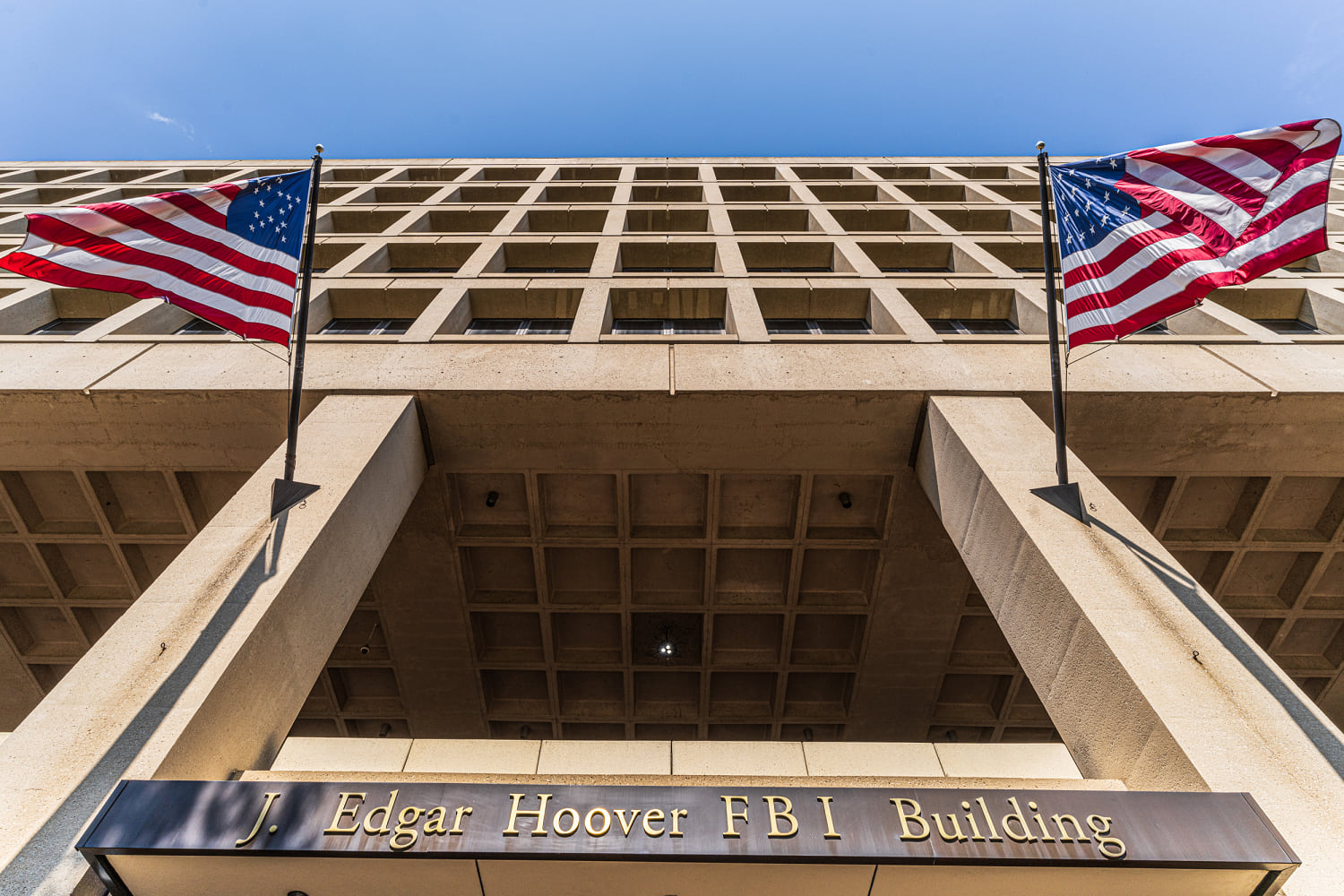
When police officers pull someone over at two in the morning, they don't guess whether a driver has an active warrant or a stolen vehicle. They query a system that links federal agents, state troopers, local departments, and tribal police in real time. Now the FBI is investigating a suspected breach of that exact backbone—the National Crime Information Center, better known as NCIC.
Honestly, this isn't just another Washington cyber scare. Reports from CNN and other outlets indicate bureau officials learned of the suspected intrusion in recent days, making it the second reported breach involving FBI systems in just a couple of months. As of right now, the FBI hasn't publicly confirmed the scope of the incident, named a threat group, or verified whether attackers viewed, copied, or altered records. Still, even an alleged intrusion into NCIC hits a nerve that ordinary data breaches don't touch.
Why the FBI crime database breach matters even if you've never been arrested
Most people hear "crime database" and picture mug shots and rap sheets. That mental model misses half the picture. For another perspective on this development, refer to the latest coverage from Al Jazeera.
According to FBI documentation, NCIC organizes data across 21 separate files—14 focused on people and seven on property. Yes, it holds records on wanted fugitives, supervised release, gang ties, and the National Sex Offender Registry. It also tracks stolen vehicles, license plates, firearms, boats, and securities.
Yet it also contains entries for people who aren't suspects at all. Missing persons, unidentified persons, individuals protected by court-issued protection orders, and identity theft victims who voluntarily submit information to law enforcement can all appear in NCIC files. If attackers got inside, the exposure risk isn't limited to criminals—it extends to vulnerable people who turned to the system for help or protection.
Data theft vs. silent tampering
From a security standpoint, there's a big difference between someone reading a file and someone quietly changing it. Analysts and former officials have pointed out that altered records can be just as dangerous as stolen ones. Imagine a protection order disappearing before a domestic dispute, or a bogus warrant flag popping up during a routine check. Because investigators haven't said what happened inside the network yet, integrity questions sit right alongside confidentiality questions.
How this fits into a rough autumn for federal cybersecurity
This suspected NCIC intrusion didn't land in a vacuum. It comes roughly two months after a late-September compromise tied to the extortion group ShinyHunters hit FBI recruitment infrastructure, including FBIJobs.gov, exposing employee and applicant details. Reports around that earlier breach pointed to contractor security gaps and arrests in multiple countries, including suspects linked to Jordan, Canada, and the Netherlands.
Meanwhile, U.S. officials have been dealing with a string of high-profile tech disruptions across sectors—including outages hitting banks, airlines, Microsoft, the National Security Agency, and the Federal Aviation Administration. While authorities haven't tied every single outage or breach together, the timing makes one thing obvious: critical infrastructure and government databases are getting tested from every angle.
What we actually know right now: Sources briefed on the inquiry say the FBI recently detected potential unauthorized access involving NCIC. We do not yet know the entry vector, how long access lasted, which specific files were touched, or whether any threat group is responsible.
What people get wrong about police database hacks
A common mistake after news like this breaks is assuming the entire justice system is about to grind to a halt tomorrow morning. Usually, agencies isolate suspected segments, audit logs, and run secondary checks while keeping core emergency operations moving.
Another misconception is that you can look up your own name on a public portal to see if your NCIC record was caught up in a breach. You can't. NCIC isn't a public search engine; access requires an authorized agency identifier, and public breach notifications only go out once investigators confirm specific exposure.
Finally, don't fall for scam texts or calls claiming to be the FBI warning that your warrant or background record was "leaked" in the hack. Threat actors love riding real headlines to push fake links or demand payment.
What you can do right now
If you're watching this story because you worry about personal data exposure or want to tighten your own defenses, skip the panic and take a few practical steps:
- Freeze your credit with the major bureaus. Even when a breach involves law enforcement or government systems rather than a retail store, personal identifiers like birth dates or addresses can feed downstream identity theft.
- Watch for targeted phishing. Expect spoofed messages pretending to be federal agents, courts, or security alerts referencing recent news. Never verify your identity through a link in an unsolicited message.
- Turn on multi-factor authentication everywhere. Use an authenticator app or hardware key on email, banking, and government accounts rather than SMS codes when you have the option.
- If you run organizational IT or vendor systems, audit third-party patching. Recent high-profile intrusions—including the September FBI recruitment incident—show how quickly unpatched software or third-party links become an attacker's favorite door in.
FBI investigating apparent hack of NCIC, CNN reports provides a concise breakdown of what has been reported so far and what remains unconfirmed. Until the FBI releases official findings, treat every viral claim about stolen crime files with healthy skepticism and lock down your own accounts.
FBI investigating after hackers claim they stole sensitive data covers how investigators respond when hackers claim access to sensitive FBI information, giving helpful context on the broader pattern of recent FBI data claims.