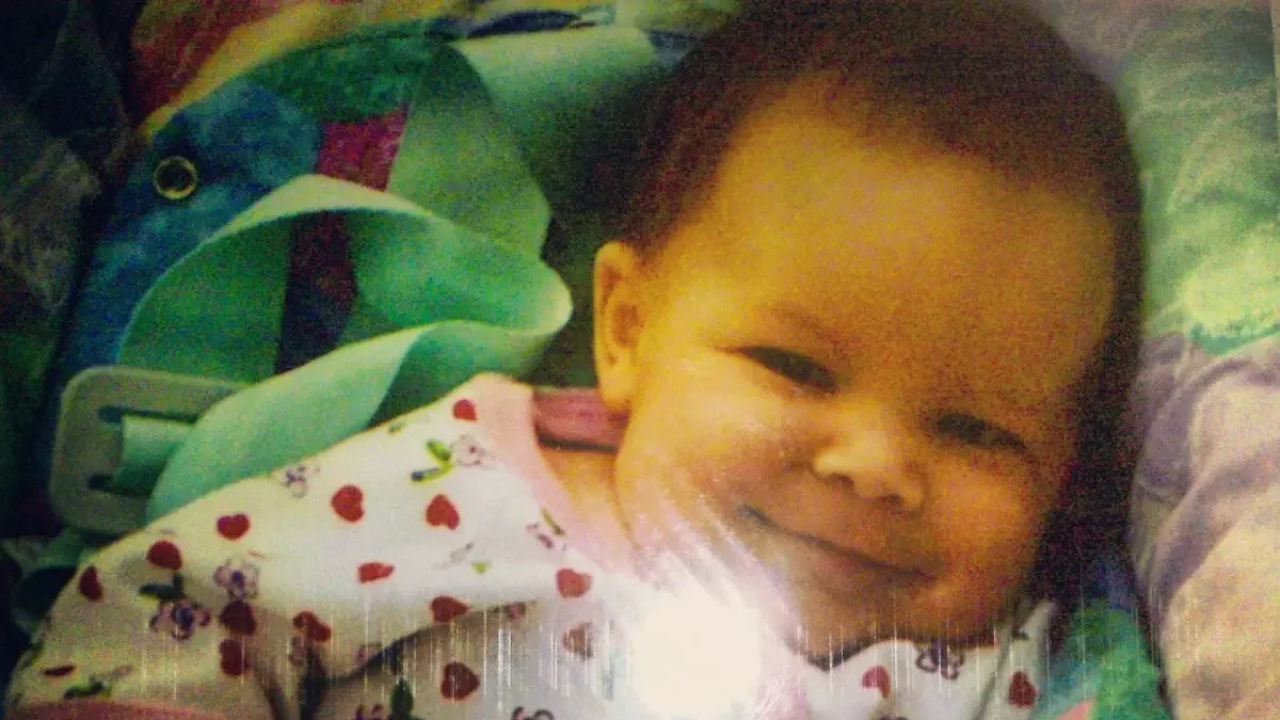
Stephen Martinez spent 27 years locked up for an infant's death that medical experts now say was natural, and he wants roughly $1.9 million from Colorado. Meanwhile, the baby's family calls his compensation claim a joke.
That collision of grief, science, and cold statutory math is what's playing out in Denver right now. After a judge overturned Martinez's 2000 first-degree murder conviction in April 2026, his lawyers filed a petition under Colorado's wrongful conviction statute. Relatives of four-month-old Heather Mares push back hard against paying him from public funds.
If you're wondering how a vacated murder conviction still leaves a payout in limbo, here's the short version: getting out of prison doesn't automatically unlock state money. Martinez still has to prove actual innocence in a separate court proceeding.
How Colorado calculates wrongful conviction claims
People hear "27 years in prison" and picture a blank check. Doesn't work that way. To read more about the history of this, The Washington Post offers an in-depth summary.
Under Colorado's wrongful conviction compensation law—enacted in 2013 and codified in Colorado Revised Statutes Section 13-65-103—eligible claimants who are wrongfully incarcerated for a felony can seek $70,000 per year of imprisonment, plus additional benefits like tuition waivers and healthcare coverage. Multiply 27 years by $70,000, and you get $1,890,000—roughly $1.9 million before any adjustments or related provisions.
Here is a detail most quick summaries miss: an overturned conviction isn't the finish line for compensation. Prosecutors can drop charges, or a judge can vacate a conviction over flawed science or legal errors, without issuing a formal finding of actual innocence. As summarized by the Innocence Project, state compensation statutes set strict eligibility rules, and Colorado requires a judicial determination of actual innocence rather than a mere technical reversal.
That distinction creates real friction. To the public, walking out of the courthouse after 27 years looks like exoneration. Legally, Martinez still has to convince the court that he had zero culpability in Heather's death.
Why the baby's family calls the payout a joke
From the family's side, the numbers feel obscene. A four-month-old child died in November 1998, and nearly three decades later, the man who was there that day is asking the state for nearly $2 million.
Relatives of Heather Mares told Denver publication Westword that they strongly oppose the claim and called it "a joke." Honestly, when you look at the human pain in this case, it's not hard to see why emotions run so raw. For the Mares family, Heather's death was never abstract—it was a lost infant, a grieving household, and years of believing a specific narrative about how she died.
When a system reverses course 27 years later, families often feel whiplash. They trusted the original prosecution, lived with the trauma, and now watch the person convicted of the crime seek taxpayer money. Legal rules don't measure grief, though. They measure statutory criteria and evidentiary proof.
Shaken Baby Syndrome and shifting medical science
To understand how a 1998 emergency call turned into a mandatory life-without-parole sentence in 2000—and then unraveled in 2026—you have to look at how forensic medicine has changed.
Back on November 17, 1998, Martinez called 911 from his Denver home after four-month-old Heather went into distress. According to reporting cited from The Denver Post, he told responders he'd given her a bottle, put her down, went into another room, and heard her choking minutes later. Medical exams identified a skull fracture, brain bleeding, and retinal swelling and hemorrhages.
At the time, prosecutors leaned on a diagnostic framework commonly referred to as Shaken Baby Syndrome, arguing those findings pointed to violent shaking. Martinez was convicted of first-degree murder in 2000—reportedly the first person sentenced under a Colorado law imposing mandatory life without parole for that offense.
Over the past two decades, pediatric and forensic medicine have faced intense debate over how reliably that triad of findings proves abuse versus accidental falls, infections, or underlying medical conditions. In April 2026, after work by the Korey Wise Innocence Project at the University of Colorado Law School alongside pro bono counsel from Stinson LLP, independent counsel Seth Temin, and law students, Denver District Attorney John Walsh agreed to overturn the conviction based on updated medical findings indicating severe pneumonia rather than abuse.
Perry Glantz, a Stinson LLP partner and innocence project board member, pushed back sharply on how the original case was treated, calling the old Shaken Baby Syndrome framing more like a belief system than settled science and arguing investigators assumed guilt because Martinez was present. Meanwhile, District Attorney Walsh noted that investigators in 2000 acted on the medical knowledge available then and framed the reversal as the justice system reassessing a case when new evidence warrants it.
Both perspectives highlight a real tension in criminal law. Science evolves. Convictions don't automatically update themselves unless someone fights for years to reopen them.
Life after 27 years behind bars
Walking out of the Lindsey Flanigan Courthouse on April 21, 2026, wasn't a Hollywood ending. Martinez had married while incarcerated, and both of his parents had passed away during his 27 years in custody.
Outside the courthouse, he told CBS News he was grateful to be free after 27 years while innocent, yet added that he was stepping out to "absolutely nothing." That line captures a practical reality that gets lost in headline debates over dollar amounts. Someone locked up from their twenties or thirties into middle age misses careers, retirement savings, family milestones, and basic everyday tech and housing stability. Even $70,000 a year on paper looks different once you factor in lost decades and reentry hurdles.
Still, taxpayers and grieving relatives have a fair question: should public dollars pay out when a family still disputes the narrative? That's precisely why Colorado's statute puts the burden on the petitioner to prove actual innocence before the court rather than treating every vacated conviction as an automatic payday.
Practical steps if you're following or researching this case
- Read the statute directly: Check Colorado Revised Statutes Section 13-65-103 to see the exact statutory rates, offsets, and requirements rather than relying on rounded headline figures.
- Separate conviction vacatur from actual innocence: When tracking exoneration news, look for whether a court has entered a formal finding of actual innocence—not just a vacated conviction or dismissed indictment.
- Follow local Denver court coverage: Watch outlets like The Denver Post, Westword, and 9NEWS for the court's ruling on Martinez's actual-innocence petition, since that ruling controls whether compensation moves forward.