Nvidia has told server makers to stop shipping AI hardware to Malaysia, Singapore, Thailand, and Indonesia. China isn't on that shipment-freeze list.
Wait a second. Read that again.
When Washington tightens export controls on advanced AI chips, you usually expect Beijing to be the headline target. Instead, server builders like Dell and Supermicro have been letting buyers in four Southeast Asian countries know that Nvidia won't authorize their server shipments right now, following new U.S. Commerce Department export rules and fallout from a high-profile diversion scandal. It's a twist that exposes how global AI compute actually moves across borders.
Direct hardware bans on China have been old news for years. The real leak wasn't always boxes crossing a border illegally. Often, it was cloud capacity rented in neighboring hubs, or supply chains routed through countries with massive data center buildouts.
Why Southeast Asia Got Caught in the Crossfire
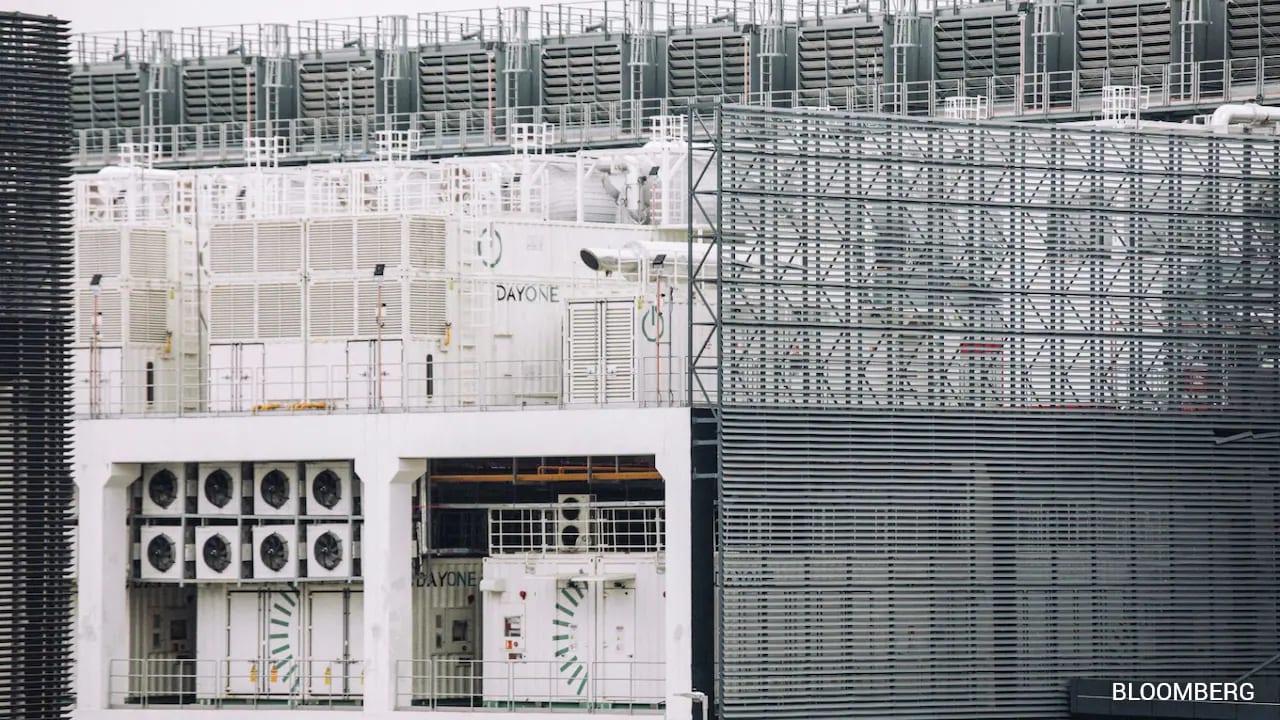
Southeast Asia became an AI infrastructure magnet for good reasons. Cheap land, power availability in spots like Johor just across from Singapore, and strong connectivity pulled in hyperscalers, regional cloud providers, and Chinese tech giants looking for compute outside mainland China. Data center capacity in Southeast Asia is projected to triple from 2025 levels by 2030 as AI demand surges, according to KPMG.
Once U.S. officials began treating regional cloud rentals and third-party hubs as potential backdoors for restricted compute, the rules shifted fast. In mid-November 2026, the U.S. Commerce Department's Bureau of Industry and Security rolled out an interim final rule targeting overseas cloud computing and adding five markets—Malaysia, Singapore, Thailand, Indonesia, and Brazil—to new licensing requirements for covered advanced AI chip shipments.
Honestly, the timing wasn't random. Just days earlier, scrutiny had intensified around Singapore-based cloud firm Megaspeed over suspected chip diversion to China, alongside personal and governance turmoil involving Nvidia CEO Jensen Huang—who briefly stepped down in mid-November before Nvidia's board reinstated him on November 23, 2026, while setting up a board-level committee focused on national security and export control compliance.
A licensing rule doesn't automatically mean a permanent ban on every server. In practice, uncertainty over who needs a license—and how to prove end-user compliance—freezes shipments first.
Look at why server partners hit pause. If a builder assembles a rack-scale AI server worth millions of dollars and ships it without clear licensing footing, they risk eating massive inventory or compliance headaches if approvals stall. Industry executives have described scrambling during a 90-day compliance window with scant practical guidance on license applications.
The Megaspeed Scandal and the $104 Billion Singapore Question
Most quick news recaps stop at "Nvidia froze shipments to four countries." That misses the financial gravity underneath.
In 2025, Nvidia's Singapore subsidiary booked $104 billion in revenue, up 72% year-on-year, before Nvidia shifted its geographic revenue reporting from customer billing addresses to customer headquarters. Critics and analysts pointed out how tricky it is to separate billing hubs, physical delivery destinations, and end users from financial statements alone. At the same time, accounting experts such as Shivaram Rajgopal have cautioned against jumping to conclusions about motives behind reporting changes without hard evidence.
Meanwhile, Megaspeed found itself under U.S. scrutiny and Entity List action over alleged chip diversion—allegations the company has denied—while regional leaders like Singapore Prime Minister Lawrence Wong have stated the government is cooperating with U.S. authorities to curb illegal chip diversion.
Here's what people get wrong when they treat "Singapore revenue" as proof of smuggling. Big multinationals centralize finance, procurement, and regional operations in Singapore all the time. Billing through Singapore doesn't automatically equal hardware staying in Singapore, nor does it prove every server went to China. Still, when enough red flags stack up in one region, Washington stops trusting "trust us" assurances and demands paper trails.
What This Means for Cloud Providers and Buyers
If you run a regional cloud business, buy enterprise AI servers, or finance data center buildouts in Asia, this freeze hits right in the wallet.
First, compliance isn't optional anymore. Under the new rules, overseas data centers serving China-linked entities above certain compute thresholds face a 90-day runway to get licenses, and hardware suppliers are under pressure to verify who owns and uses the compute. If a data center operator can't—or won't—disclose customer and parent-company details, suppliers face strict presumptions of prohibited use.
Second, financing tightens before hardware even arrives. Banks don't like lending hundreds of millions of dollars into a regulatory fog. Reports have already pointed to lenders pausing major Asian data center financing tied to Chinese tech giants like ByteDance, Alibaba, and Tencent as rules bite.
Third, expect delays even for legitimate buyers. Even if your workload has zero connection to restricted entities, paperwork bottlenecks slow everything down. Hardware partners have to audit order books, verify end-use statements, and figure out license pathways before clearing shipments.
Where the Rules Still Leave Gaps
Even aggressive export rules have blind spots, and pretending otherwise leads to bad strategy.
For one, export controls on physical hardware and cloud compute don't solve every enforcement challenge overnight. Cloud workloads can shift, corporate structures can get complicated, and smaller intermediaries still test compliance boundaries. Meanwhile, analysts have noted nuances in the rules—such as narrower carve-outs for certain non-generative workloads like e-commerce or social media recommendation engines when reported, and questions around how U.S.-hosted cloud services interact with rules aimed at foreign exports.
There's also a real tension between national security and commercial clarity. When Washington moves quickly with sweeping rules before every operational FAQ is settled, legitimate Southeast Asian buyers and hardware makers pay the price in delays and lost momentum.
Practical Next Steps If You're Navigating This Right Now
Don't wait until a shipment sits on a dock to ask compliance questions.
- Map your ownership and customer chain today. Document ultimate parent companies, beneficial ownership, and end-user identities for any AI compute cluster or server order.
- Audit cloud and lease contracts. If you rent or lease high-end AI capacity in Southeast Asia—or serve customers tied to restricted jurisdictions—review contract clauses around compliance, suspension rights, and licensing timelines.
- Talk directly to your OEMs and legal counsel. Ask Dell, Supermicro, or your hardware vendor specifically whether your order is paused for licensing review, what documentation they need, and what delivery window is realistic.
- Stress-test your capex and financing plans. Build buffer time into data center commissioning schedules and confirm lender conditions haven't changed due to export-control exposure.