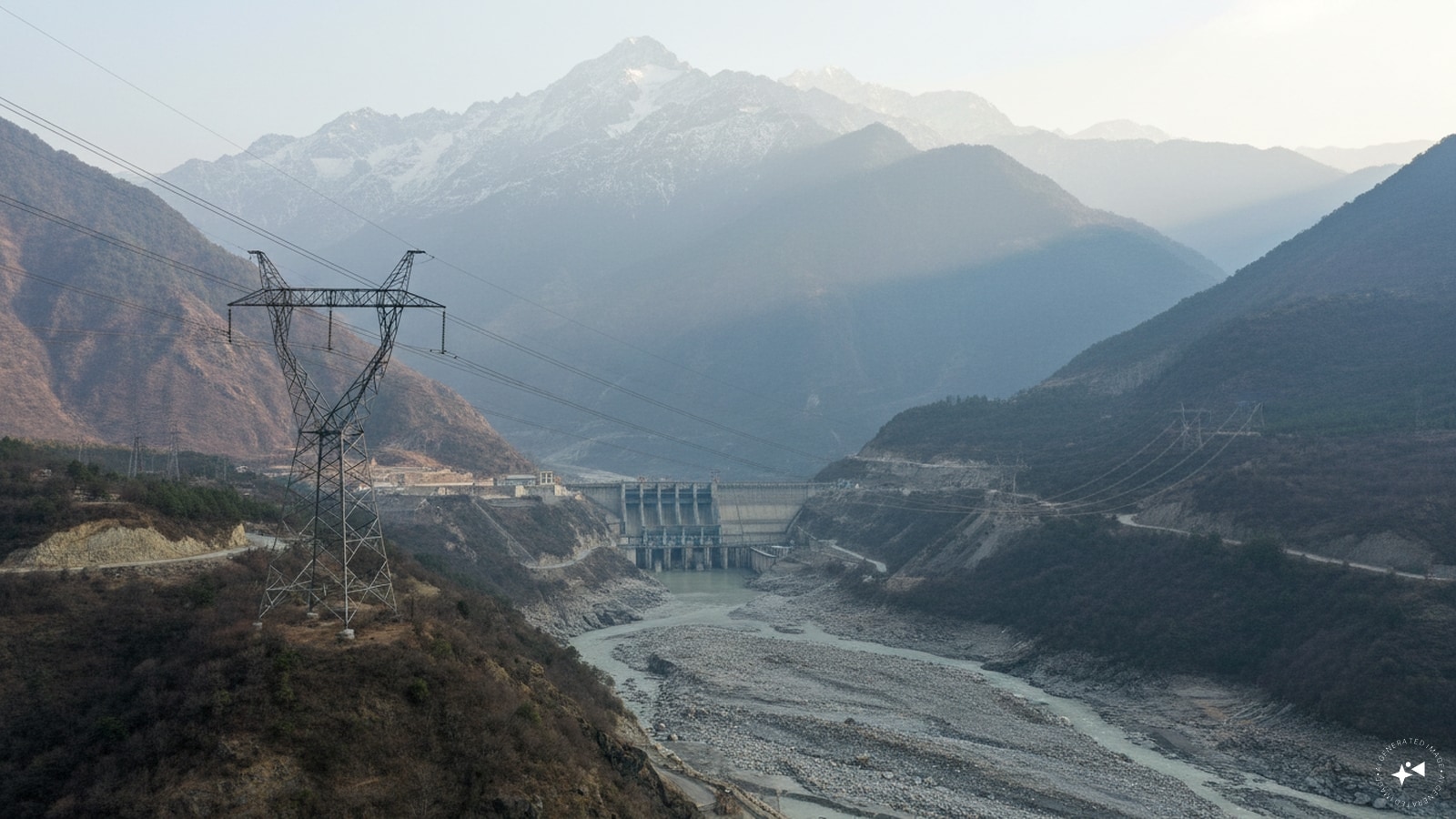
Winter hits Nepal's rivers hard. When the snow stops melting and water levels drop, domestic hydropower generation plummets. That's why the Nepal Electricity Authority just secured official approval to import up to 350 megawatts of electricity from India through July 2027. It's a familiar cycle for anyone tracking cross-border energy sharing in South Asia. Nepal generates a massive surplus during the rainy summer months, but winter turns the country into a net buyer.
The numbers tell a stark story about seasonal energy vulnerability.
The Winter Squeeze on Hydropower
Most people assume that a country rich in river systems has infinite power. That's a myth. Run-of-the-river hydroelectric plants depend entirely on seasonal water volume. When winter arrives, river discharges shrink drastically.
This year's crunch got a whole lot worse due to severe infrastructure damage. Glacial floods in the Bhotekoshi and Trishuli river basins wreaked havoc on local facilities, disconnecting over 430 megawatts of capacity from the national grid. For another perspective on this story, refer to the latest coverage from The Motley Fool.
Because of this shortfall, domestic demand outstrips supply for roughly four months straight—specifically during Poush, Magh, Falgun, and Chaitra. Daily import requirements often spike during peak evening hours, forcing utilities to lean heavily on the Indian Energy Exchange (IEX).
Managing the Cross-Border Power Balancing Act
Energy trading isn't a one-way street anymore. Even while gearing up to pull 350 MW from India, the Nepal Electricity Authority cleared approval to sell 56 MW from three domestic hydropower projects on the IEX market through July 2027.
Importing power while simultaneously selling small blocks might sound counterintuitive, but regional grid mechanics demand flexibility. Nepal manages its supply constraints by timing its purchases carefully. The approved imports from India run daily, though restrictions apply during high-demand peak windows.
This dual approach highlights the fragile geography of cross-border energy markets.
What Happens When Spring Returns
Relief is coming, but not immediately. Officials expect domestic river discharge to recover starting in mid-April. Once water levels rise, local generation will ramp back up.
That surge will naturally cut down import dependence and likely allow Nepal to resume steady electricity exports to its southern neighbor. Until then, managing grid stability relies entirely on market prices, transmission line capacities, and strict adherence to daily import limits.
If South Asia wants to avoid these seasonal swings, the long-term solution requires building storage-based reservoirs and expanding cross-border transmission networks. Until those mega-projects break ground, winter import approvals will remain a yearly ritual for keeping the lights on.