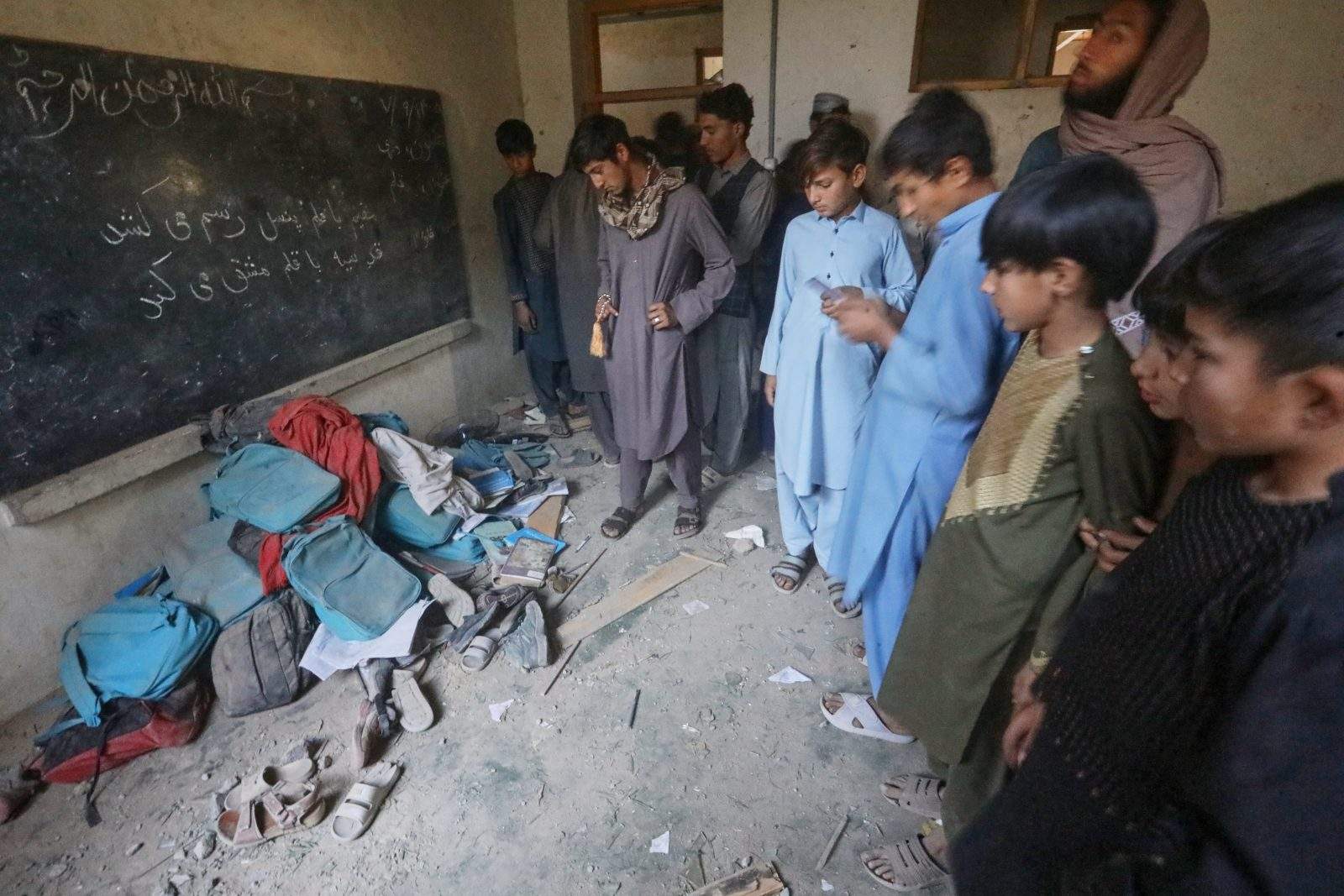
Two Médecins Sans Frontières staff members were killed on Saturday, November 28, 2026, after an Israeli strike hit an MSF clinic in Gaza City, bringing the charity's confirmed staff death toll in the war to 17.
That number—17 staff members—isn't just a tragic tally. It's a warning sign about how aid operations actually function when frontlines blur, ceasefires fray, and every security guard or clinic gate becomes contested ground. MSF says the location was known to the Israeli military and clearly marked with its logos, while the Israeli military contends the strike wasn't directed at a hospital, caused no damage to the facility, and targeted two men—identified as Ahmad Abou Hassira and Moaz Alitsbach—whom it alleges were members of Hamas's military wing.
In the coverage I've followed on The Guardian, the immediate clash of narratives jumps right off the screen. World Health Organization Director-General Tedros Adhanom Ghebreyesus condemned the attack on X, insisting that health workers and humanitarian personnel must be protected rather than targeted. Yet on the ground, when a strike kills two security guards at or near a clinic and one side claims militant affiliation while the other points to deconflicted coordinates and visible markings, people reading the headlines immediately ask: How can this keep happening even after a ceasefire?
Why Marking Clinics With Aid Logos Fails Under Modern Fire
If you've ever worked near an active conflict zone or studied humanitarian logistics, you know how comforting a painted logo looks on paper. You register coordinates with military liaison channels. You paint clear emblems on roofs, walls, and vehicles. You assume that visibility equals safety.
Honestly, it doesn't work that way anymore.
Under international humanitarian law, medical units and humanitarian relief personnel enjoy distinct protections, and parties to a conflict are obligated to respect and protect them unless they are used to commit acts harmful to the enemy outside their humanitarian function. Even when a combatant alleges misuse or targets an individual, proportionality and precaution rules still apply—and civilian harm isn't automatically excused by a label or a claim.
In real-world crisis response, the biggest mistake outsiders make is treating "deconfliction" like an invisible shield. It isn't. Deconfliction is a notification mechanism. It tells a military force where aid teams and facilities are supposed to be. When strikes still hit clinics or kill staff working for them, two bitter realities collide:
- Information gaps and contested claims: Militaries frequently assert intelligence on militant presence or activity near or within civilian sites, while humanitarian groups and international investigators challenge those claims—as seen in earlier scrutiny of allegations regarding Gaza's hospitals and ongoing disputes over evidence.
- Blurring boundaries around facilities: Clinic perimeters, gates, parking areas, and surrounding streets are where staff, patients, and guards move every day. A strike can be framed by a military as precise and non-destructive to a hospital while still taking lives right next to a medical site.
Look, I'm not saying aid organizations should stop sharing coordinates or marking buildings. That would be reckless. What I am saying is that visibility alone hasn't stopped strikes on medical workers across Gaza, where the Palestinian Central Bureau of Statistics puts killed Palestinian medical workers at least at 1,700 since the war began on October 7, 2023.
The Fragile Ceasefire Reality Behind the Strike
A lot of readers hear "ceasefire" and picture quiet streets and steady rebuilding. That's not what happened after the October 2025 ceasefire agreement.
Despite that deal, strikes and deadly incidents have continued on a near-daily basis, with at least 1,705 people reported killed since the ceasefire was signed, even as each side accuses the other of breaking its terms. Meanwhile, the broader toll since October 2023—more than 74,000 killed and over 175,000 injured in Gaza, alongside roughly 1,200 killed in the initial Hamas-led attack—shows a society living inside ongoing devastation rather than post-war recovery.
When heavy winter rains hit crowded, unsanitary displacement conditions and supply restrictions choke off materials needed for shelter, clean water, and medical care, a single strike on a clinic hits an already fragile system. A UN assessment in August described Gaza's healthcare system as experiencing systemic collapse, leaving basic civilian health needs severely unmet.
Think about what happens on the ground when a clinic loses security staff or has to pause services because of nearby strikes. Every closed door pushes wound care, maternal health, chronic disease treatment, and infectious disease response onto fewer overworked hands.
What Happens When Security Guards Become Contested Targets
Here's a detail that trips up a lot of casual observers: MSF noted that the two staff members killed on Saturday were security guards.
In humanitarian operations, local security personnel keep crowds orderly, protect scarce medical supplies from looting, and help staff get in and out safely. They aren't heavy combat units. Yet when armed groups operate in dense urban areas—or when a military alleges ties between local personnel and militant wings—security guards often sit right on the fault line of suspicion and lethal force.
That creates an impossible bind for aid agencies. If you hire local guards without airtight vetting, you risk allegations of compromised neutrality. If you don't secure facilities and entrances, chaos and theft can shut down care anyway. There's no neat, risk-free middle ground in an active war zone.
What Investigators, Policymakers, and Readers Should Watch Next
Accountability in Gaza is fiercely contested and legally heavy. A UN independent international commission of inquiry concluded that Israel committed genocide in Gaza and that senior Israeli officials, including Prime Minister Benjamin Netanyahu, incited those acts, while Netanyahu also faces an International Criminal Court arrest warrant for war crimes—allegations Israel firmly rejects.
Because facts on the ground are disputed fast and furiously, jumping to conclusions based on the first two-sentence statement from either side is a mistake. Verification takes time, satellite imagery, witness accounts, and independent review, and even then, political and legal arguments rarely settle overnight.
If you're tracking this story or supporting relief efforts, take a few practical steps right now:
- Cross-check claims against primary statements and independent monitors: Compare official statements from MSF, the World Health Organization, UN agencies, and the Israeli military side by side instead of relying on a single summary.
- Watch winter health and supply indicators: Pay close attention to UN and WHO reporting on medical supply bottlenecks, infectious disease spikes during winter rains, and clinic closures—those metrics show whether civilians can actually get care.
- Vet humanitarian donations carefully: If you choose to give, check direct relief channels and established international medical organizations to see how funds reach active clinics and what restrictions affect deliveries.
- Stay clear-eyed about legal and diplomatic timelines: Track formal findings from international bodies and courts separately from daily military claims and political rhetoric.
In Gaza right now, a clinic sign on a wall can't hold back a missile. Real protection depends on enforceable rules on the ground, unhindered medical supplies, and accountability that actually holds.