One hundred thirty-two frontline staff at Manitoba Possible just voted in favour of a strike mandate after months of stalled contract talks. That vote concluded on November 6, 2026, and it puts real pressure on management right when the non-profit is celebrating a shiny redeveloped facility in Winnipeg.
Here's the simple truth behind the standoff. Workers represented by Local 262 of the Manitoba Government and General Employees' Union (MGEU) say their pay hasn't kept up with skyrocketing living costs. Bargaining started back in May 2026, dragged through months of frustration, and hit a wall over what constitutes a fair wage for specialized disability support.
A strike mandate isn't a picket line tomorrow morning. It gives the bargaining committee authority to call a walkout if talks keep going nowhere, though the union says walking out is a last resort. Still, for families and Manitobans living with disabilities who rely on these programs, the vote signals a serious warning light.
Why the Manitoba Possible Strike Mandate Matters Right Now
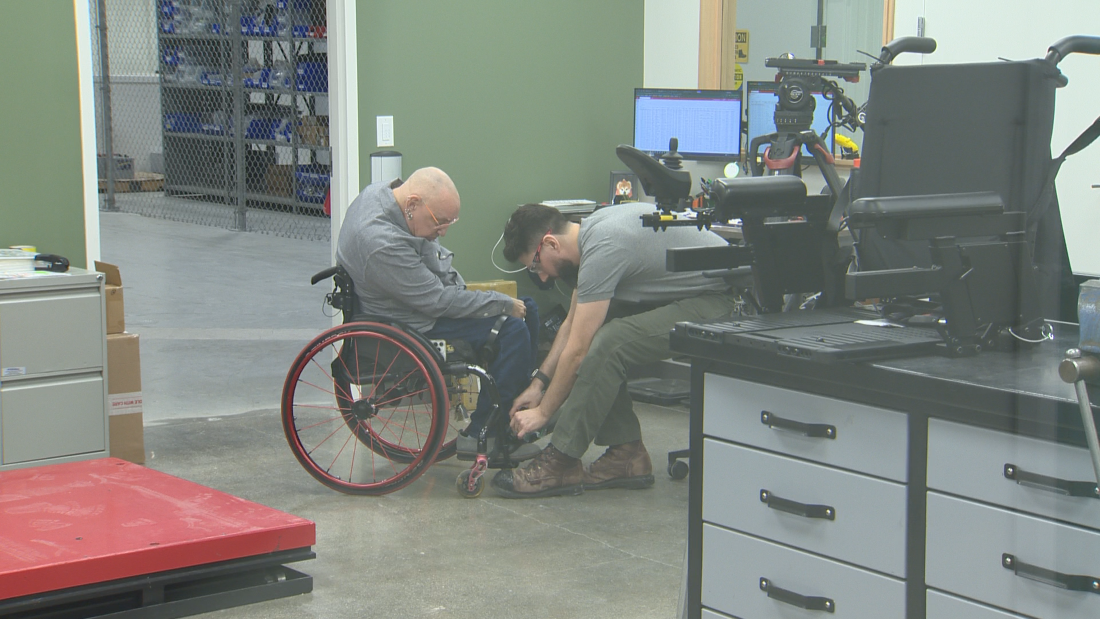
When you look at what MGEU Local 262 members actually do, the pay gap sticks out immediately. These aren't generic entry-level roles. The bargaining unit covers American Sign Language (ASL) instructors, rehabilitation counsellors, vocational rehab counsellors, audiology assistants, electronic technicians, wheelchair service technicians, children's services coordinators, employment development specialists, intake counsellors, and recreation assistants.
In plain terms, these folks help Manitobans adapt after a new disability, navigate daily life with a long-term disability, and keep families supported. You don't pick up that kind of specialized skill set overnight. Fixing a wheelchair, teaching ASL, or guiding someone through vocational rehabilitation takes training, patience, and emotional bandwidth.
Yet union leaders point out that many of these positions pay below the living wage benchmark of roughly $21 an hour recognized by the Canadian Centre for Policy Alternatives (CCPA). Honestly, asking skilled technicians and counsellors to live below a basic standard-of-living line while grocers, landlords, and utilities charge more every month is a recipe for burnout.
A Shiny Building and a Pay Disconnect
One of the sharpest tensions in this dispute has nothing to do with jargon—it's about optics. Manitoba Possible has been promoting its redeveloped Winnipeg building, and workers have noticed the contrast between physical upgrades and take-home pay.
MGEU President Kyle Ross acknowledged that the redeveloped facility is a great site and an important step forward. At the same time, he pointed out a practical reality that any worker gets right away: a beautiful building doesn't help staff afford to get to work if wages aren't fair. Anonymous worker comments shared through the union captured that exact frustration—staff asking when management will treat employees as well as the new space.
From an outside observer's seat, capital projects and operating payroll often come from different funding buckets or grant rules. Still, when workers watch glossy social media clips of a new facility while rejecting a final offer on wages, morale takes a beating. Good buildings don't run programs; people do.
Political Words Meet Bargaining Table Reality
Premier Wab Kinew recently weighed in publicly on radio (680 CJOB), saying disability support workers need a raise while weighing competing demands on provincial funding. Ross agreed with the premier's words completely, adding that he wished Manitoba Possible's offers at the bargaining table matched that sentiment.
That gap highlights a classic non-profit funding trap. Non-profits providing disability supports frequently depend on government grants, program contracts, and philanthropic dollars. If core operational funding doesn't move in step with inflation and market wages, boards and executives get squeezed—or dig their heels in—while frontline workers absorb the squeeze first.
You can see why service users are paying attention. Shelly Ostrove, who uses Manitoba Possible services, told CityNews that staff work hard, do a good job, and deserve more money. When clients and staff are on the same side of a wage argument, management faces extra public pressure.
What Most People Get Wrong About a Strike Mandate
People hear "strike mandate" and assume a walkout is guaranteed. Not so fast.
A mandate is leverage, not an automatic trigger. Bargaining committees use it to show the employer that members are united and willing to escalate if talks stall. Ross has emphasized that MGEU wants to get back to the table and reach a fair deal without taking members out on strike.
Under MGEU guidelines, if the union does decide to strike, it must give three days' notice. That built-in window gives families, clients, and negotiators time to react—though any disruption to disability services still creates real anxiety for people who depend on consistent routines and specialized equipment.
Another common misconception is that non-profit workers should simply accept lower pay because the organization has a noble mission. That mindset sounds nice in theory, and it fails in practice. Goodwill doesn't pay rent or buy groceries. When pay falls behind living costs, experienced staff leave for better-paying jobs elsewhere, forcing clients to start over with new faces and leaving chronic vacancies behind.
What Happens If Talks Break Down Completely?
If negotiations don't produce a deal that workers accept, the bargaining committee could issue three days' notice and initiate a strike. Let's look at what that could mean on the ground:
- Service pauses or delays: Appointments, recreation programs, employment support, or equipment servicing could slow down or pause depending on how operations are affected.
- Pressure on families: Parents and caregivers who rely on wrap-around support or specialized guidance would have to scramble for alternatives.
- Renewed talks: Often, a credible strike threat pushes both sides back into serious mediation or revised offers before anyone hits a picket line.
Even without a walkout, prolonged impasse drags down workplace morale. Long-time staff who feel underpaid and unheard don't just clock out—they start looking at exit doors.
How This Fits Into Manitoba's Broader Labour Picture
This vote isn't happening in a vacuum. Across Manitoba, unions and public-sector or publicly funded workplaces have been pushing hard on wages and staffing as cost-of-living pressures bite. For instance, MGEU also announced in November 2026 that workers at University College of the North voted in favour of a strike mandate after rejecting a final offer.
When multiple groups of workers push back around the same time, it points to a broader affordability crunch rather than one isolated complaint. Workers across sectors are doing the same math at the checkout counter and looking at paycheques that feel stretched thin.
For disability services specifically, there's an extra layer of risk. Recruiting and keeping people who can do technical wheelchair repairs, sign language instruction, or rehabilitation counselling is already tough when wages sit near or below living-wage thresholds. Underpaying specialized support staff doesn't save money long term if it drives high turnover and weakens care quality.
Practical Next Steps for Workers, Families, and Advocates
If you're following this situation closely—whether you're a client, a family member, a supporter, or a worker—waiting around in the dark isn't your best move. Take a few concrete steps now:
- Check official updates directly: Follow announcements from MGEU and Manitoba Possible for verified bargaining developments, notice dates, and any program adjustments rather than relying on rumours.
- Plan ahead if you rely on services: If you or a family member depend on scheduled counselling, equipment maintenance, or programs, ask your contact early about contingency options in case three days' strike notice is issued.
- Speak up if you care about service stability: Clients, families, and community members can share their perspective on why fair compensation matters for keeping experienced staff in place—constructively and clearly with both the organization and elected officials.
- Watch the bargaining table, not just the headlines: A strike mandate sets the stage, but real progress happens when both sides return to negotiations with workable numbers.
Fair pay for disability support workers isn't a luxury line item—it's what keeps skilled people showing up for Manitobans who count on them every single day.