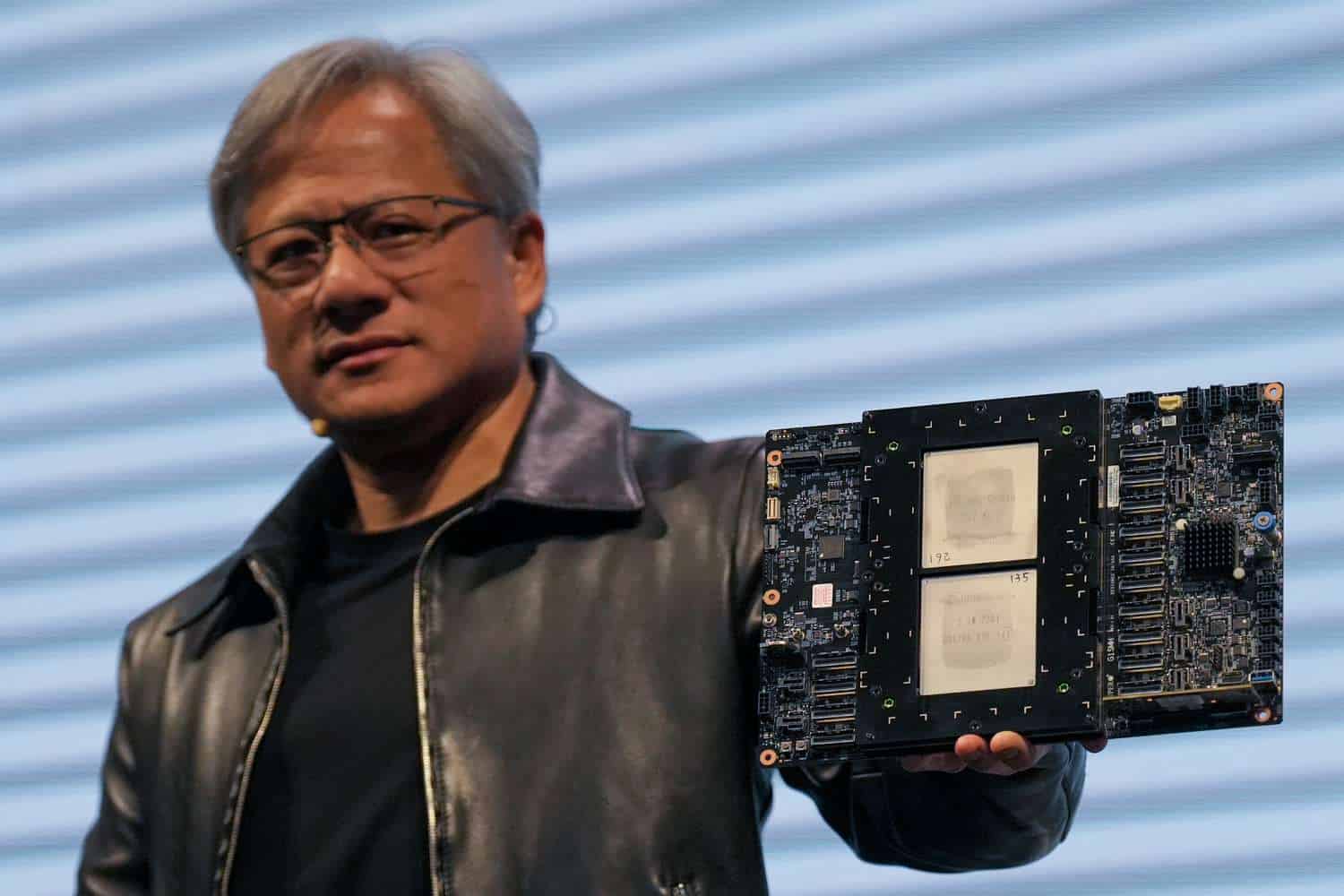
Jensen Huang has a schedule collision that would break most executives. On December 1, 2026, the newly reinstated Nvidia CEO is slated to face congressional lawmakers in Washington while Nvidia's GTC Washington, D.C. conference runs at the Ronald Reagan Building and International Trade Center, with his GTC D.C. keynote scheduled for 2:00 PM ET that same day.
Normally, a GTC keynote is a victory lap. Huang walks out, talks about AI factories and agentic systems, and lets customers and investors marvel at what ships next. Not this time.
Just days ago, on November 23, 2026, Nvidia's board reinstated Huang as CEO after his brief November 12 resignation amid scandal over extramarital affairs and scrutiny tied to Megaspeed executive Alice Huang, sparking fierce pushback and investigation threats on Capitol Hill. Having him answer to lawmakers on the same day GTC's main conference action rolls in Washington turns a standard product showcase into a high-stakes credibility test.
What Is Actually Happening on December 1 in Washington
Let's separate the noise from the calendar. GTC Washington, D.C. runs from November 30 through December 3, 2026, with workshops on Monday, November 30, and the main conference and expo from Tuesday, December 1 through Thursday, December 3. Huang's keynote is set for Tuesday, December 1 at 2:00 PM ET.
At the same time, congressional scrutiny has zeroed in on December 1 and December 2. Reports indicate Huang agreed to appear for a transcribed House interview on December 1 across three House panels—Foreign Affairs, Intelligence, and the China Select Committee—while Nvidia general counsel Tim Teter is slated to appear on December 2, alongside separate pressure from the Senate Banking Committee for a public hearing.
Honestly, that timing is brutal optics. One room in Washington is supposed to celebrate American AI leadership, open models, physical AI, and sovereign compute. Another part of town is pressing questions about export controls, third-country chip diversions, and whether national security guardrails held up.
Why This Collision Matters More Than Spec Sheets
If you only track GPU teraflops or rack bandwidth, you're missing the real story. By late 2026, Nvidia isn't just selling hardware to cloud providers. It sits at the center of U.S. industrial policy, export restrictions, and geopolitical leverage.
When lawmakers press a CEO on export compliance and foreign influence on the very day his company hosts a flagship Washington event, every product claim gets filtered through a trust lens. Buyers in defense, healthcare, energy, and regulated enterprises don't just ask whether a system is fast. They ask whether supply chains, licensing, and governance are rock-solid.
I've watched plenty of enterprise tech rollouts stall when regulatory friction hits right before a major launch. Engineers can love a platform's architecture, and procurement teams will still freeze if legal or compliance counsel starts asking uncomfortable questions about oversight.
What GTC Washington Is Really Pushing
Look closely at the agenda for GTC Washington, D.C. It reads like a direct bridge between silicon and public policy. Sessions span AI for science, AI infrastructure, AI safety and security, CUDA and libraries, local AI, open source, and physical AI and robotics, with speakers from Nvidia alongside figures from the Department of Energy, the FDA, and enterprise partners.
That framing isn't accidental. Bringing GTC to D.C. is about showing policymakers how accelerated computing supports domestic research, manufacturing, and security. Any new products, software updates, or deployment blueprints Nvidia highlights around the event are meant to prove that American compute drives American capability.
Yet credibility is a package deal. You can't pitch "safety and security" in one breath while dodging tough questions about export enforcement and corporate governance in the next.
The Misconceptions People Have Right Now
Misconception 1. A Reinstatement Means the Drama Is Over
Not even close. Getting reinstated by the board—even after intense political lobbying and public debate—doesn't erase congressional oversight. Lawmakers from both parties and incoming committee leaders have signaled they still want answers on chip export rules, diversion risks, and how the company handled sensitive relationships.
Misconception 2. GTC Announcements Only Matter to AI Researchers
GTC has evolved way past pure research demos. Today, announcements around infrastructure, open models, local AI, and physical AI shape multi-year capital budgets for cloud teams, industrial firms, and government agencies. Even when headlines focus on Capitol Hill, infrastructure roadmaps still drive real purchasing decisions.
Misconception 3. Every Congressional Appearance Is a Live TV Spectacle
Not necessarily. A closed-door transcribed interview looks very different from a televised public hearing. Closed sessions can move slowly and yield limited immediate detail, while public Senate scrutiny carries different political pressure. Watch what gets confirmed officially versus what leaks out after the fact.
What Smart Teams and Investors Should Do Next
If you work in AI infrastructure, enterprise IT, policy, or investing, don't react to every headline—take practical steps this week:
- Audit your export and compliance assumptions. If your organization ships hardware, models, or workloads across borders, review your vendor compliance disclosures and export documentation before locking in 2027 deployments.
- Separate roadmap signal from political noise. Track concrete product, software, and partner announcements coming out of GTC Washington separately from hearing commentary, so you don't make bad technical bets out of fear or hype.
- Watch primary transcripts and official releases. When congressional interviews or hearings happen, rely on official committee statements, verified transcripts, and company filings rather than secondhand social chatter.
- Stress-test single-vendor concentration. If your AI stack leans heavily on one hardware ecosystem, check where portability, open models, or local/hybrid options give you breathing room if policy shifts tighten supply or timelines.