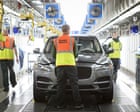
Car manufacturing is a brutal game. When a legacy titan like Jaguar Land Rover reports a massive £451 million quarterly loss right after slashing 4,000 jobs, people panic. They point fingers at leadership, supply chains, or shifting consumer habits. But the raw numbers tell a much harsher story about the painful reality of transitioning from traditional combustion engines to electric vehicles.
Headlines love a simple villain. They scream about job losses and plummeting revenues as if a legacy automaker can simply flip a switch and transform overnight into a sleek, battery-powered startup. Reality does not work that way. Transitioning an entire global manufacturing footprint, retraining engineers, redesigning supply chains, and convincing luxury buyers to abandon petrol takes billions of pounds and years of trial and error. JLR is caught right in the middle of that expensive, messy transition.
The Heavy Price of Moving Too Fast and Too Slow
Building luxury cars used to be straightforward. You engineered a roaring V8 engine, wrapped it in British leather, and sold it to wealthy buyers who valued heritage over efficiency. Today, that playbook is obsolete. Governments are tightening emissions standards, competitors are racing down the electric curve, and consumer demand for high-end battery electric vehicles is hitting unexpected bumps.
JLR felt the squeeze hard. Dropping 4,000 jobs was meant to trim the fat and streamline operations, but restructuring a company of this scale costs money before it saves any. Severance packages, plant retooling, and cancelled projects eat up cash reserves fast. When quarterly losses hit £451 million, it becomes painfully clear that cost-cutting alone cannot outrun a shifting industrial baseline.
Why Job Cuts Alone Cannot Fix a Structural Pivot
Corporate boards love layoffs because they look decisive on a spreadsheet. They signal to investors that management is taking action. Yet, cutting headcount without fixing the underlying product roadmap is like bailing water out of a sinking boat with a teacup.
Automotive engineering requires specialized talent. When you lay off thousands of workers, you risk losing institutional knowledge that took decades to build. Software integration, battery chemistry management, and autonomous driving systems require a different breed of engineer than the ones who spent their careers perfecting gearboxes and exhaust notes. If you cut too deep, you stall the very innovation you need to survive.
The pressure from parent company Tata Motors has been relentless. Tata bought JLR back in 2008 and turned it around through heavy investment and aggressive global expansion. But patience has limits. When a subsidiary posts losses in the hundreds of millions, the parent company demands immediate restructuring, which leads to sudden job cuts and frantic cost control.
The Electric Vehicle Reality Check for Legacy Luxury
The luxury car market operates on emotion and status. Buyers want exclusivity, performance, and immediate gratification. Early electric vehicles struggled to match the emotional pull of a supercharged Range Rover or a sleek Jaguar coupe. Range anxiety, charging infrastructure gaps, and shifting resale values made high-end buyers cautious.
JLR staked its future on a bold electrification strategy, rebranding Jaguar as an ultra-luxury electric-only marque while repositioning Range Rover, Defender, and Discovery under a "House of Brands" strategy. That is a massive strategic bet. Rebuilding Jaguar from the ground up as a pure-play electric brand means walking away from its existing customer base temporarily. You cannot abandon your bread-and-butter petrol models until your electric lineup is fully ready to take over. That gap in the product lifecycle is where money disappears.
What Comes Next for the Brand
Fixing this mess requires more than financial engineering. JLR has to execute its electric vehicle rollout flawlessly. Every delayed launch, every software glitch, and every supply chain bottleneck costs millions in lost revenue and damaged reputation.
The £451 million quarterly loss is a warning shot. It proves that the old business model is dying faster than the new one can generate profit. If JLR can survive this awkward multi-year transition, streamline its factories, and deliver electric vehicles that genuinely excite wealthy buyers, the financial pain might prove worth it. If they stumble, those 4,000 job cuts will only be the opening chapter of a much larger retreat.
Car manufacturing rewards the bold and punishes the hesitant. Right now, JLR is paying the heavy admission price for the future of transport.