If you want to understand the fragile power balance holding modern Iraq together, look no further than Jurf al-Sakhar. For more than a decade, this strategic agricultural belt south of Baghdad has functioned as a black box—a territory sealed off from the central government, governed by its own rules, and heavily fortified by powerful armed factions.
Right now, that status quo is shattering. Prime Minister Ali al-Zaidi has ordered state security forces to move into Jurf al-Sakhar, issuing direct deadlines for the Iran-backed Kataib Hezbollah militia to vacate and hand over security files. This isn't just another routine security sweep. It's a high-stakes gamble that could either reassert state sovereignty or ignite a severe internal fracture within Iraq's ruling political alliance.
What Makes Jurf al-Sakhar Such a Sensitive File
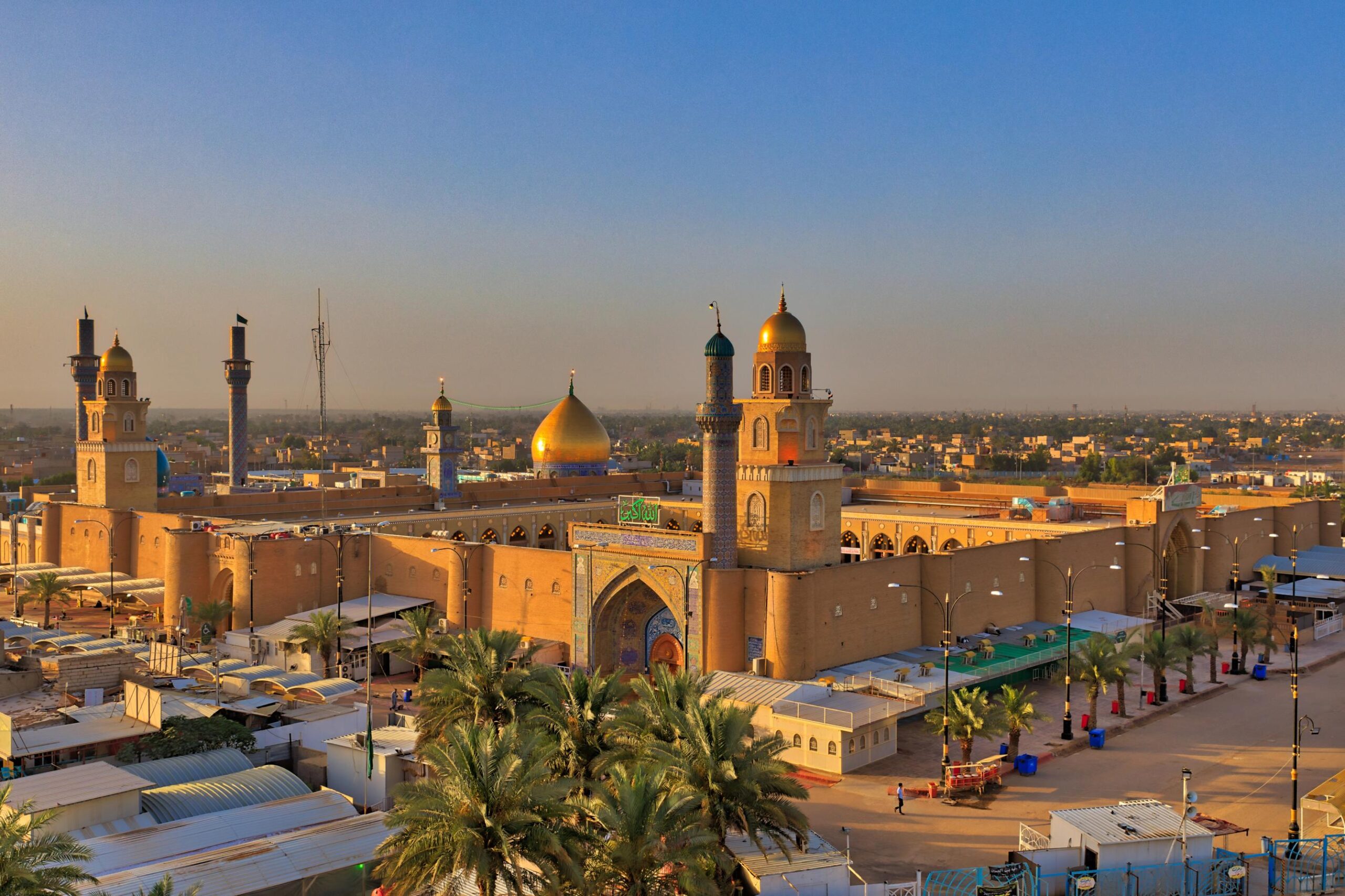
Jurf al-Sakhar sits in Babil province, strategically positioned southwest of Baghdad. When Islamic State militants overran large parts of Iraq in 2014, the area became a violent flashpoint. After security forces and allied groups recaptured it later that year, the local population was largely displaced, and entry into the zone was locked down.
Since then, the area has transformed into an impenetrable enclave controlled almost exclusively by Kataib Hezbollah. For years, successive governments avoided challenging this reality out of fear. Bringing state forces into Jurf al-Sakhar meant stepping on the toes of armed groups powerful enough to challenge the state itself.
Intelligence reports leaking into public view changed the calculus. Recent investigations uncovered massive, systematic oil smuggling networks and illegal economic operations running out of the enclave, siphoning off state resources while operating entirely outside the law. When leaked documents exposed billions in losses and deep-rooted illicit networks dating back years, the government faced mounting domestic pressure to act.
The Clashing Timelines and Political Standoff
The core conflict right now isn't just about military positioning—it's about a race against time and conflicting deadlines.
Prime Minister al-Zaidi's administration wants immediate compliance, deploying tanks and armored units to establish a firm military cordon around the area. They've framed the intervention as an urgent crackdown on rampant oil smuggling and a necessary step to restore state authority over every inch of Iraqi territory.
On the other side, Kataib Hezbollah and its political allies have pushed back, attempting to negotiate timeline extensions. Reports indicate the group has pushed for handovers to be delayed until June 2027—the broader national deadline agreed upon for bringing all independent armed factions and weapons under strict state control.
This creates an immense political dilemma inside Iraq's ruling framework. The Shiite-majority ruling coalition is visibly split. Moderates and government loyalists view the operation as a non-negotiable test of institutional credibility. Meanwhile, hardline factions fear that forcing the issue too aggressively will shatter the fragile coalition and spark open urban conflict inside the country's heartland.
Why This Matters for Iraq's Future
You can't build a functioning, stable economy or attract foreign investment while massive swaths of the country remain off-limits to the national army. That's the core argument coming out of Baghdad right now.
When a sovereign government cannot inspect its own territory, collect customs, or stop industrial-scale oil theft, the concept of the state becomes hollow. Prime Minister al-Zaidi is testing whether Iraq's institutions have matured enough to enforce the rule of law against heavily armed non-state actors.
Yet the risks are staggering. If the standoff escalates into active combat, the fallout won't be contained to Babil province. It could trigger retaliatory security crises in Baghdad and across the south, testing the loyalty of the broader security apparatus where state forces and militia-affiliated elements often overlap.
The coming days will show whether this push is a turning point for Iraqi sovereignty or a step toward severe domestic turmoil. Keep your eyes on the deadlines and troop movements on the ground, because the outcome will shape Iraq's political landscape for years to come.