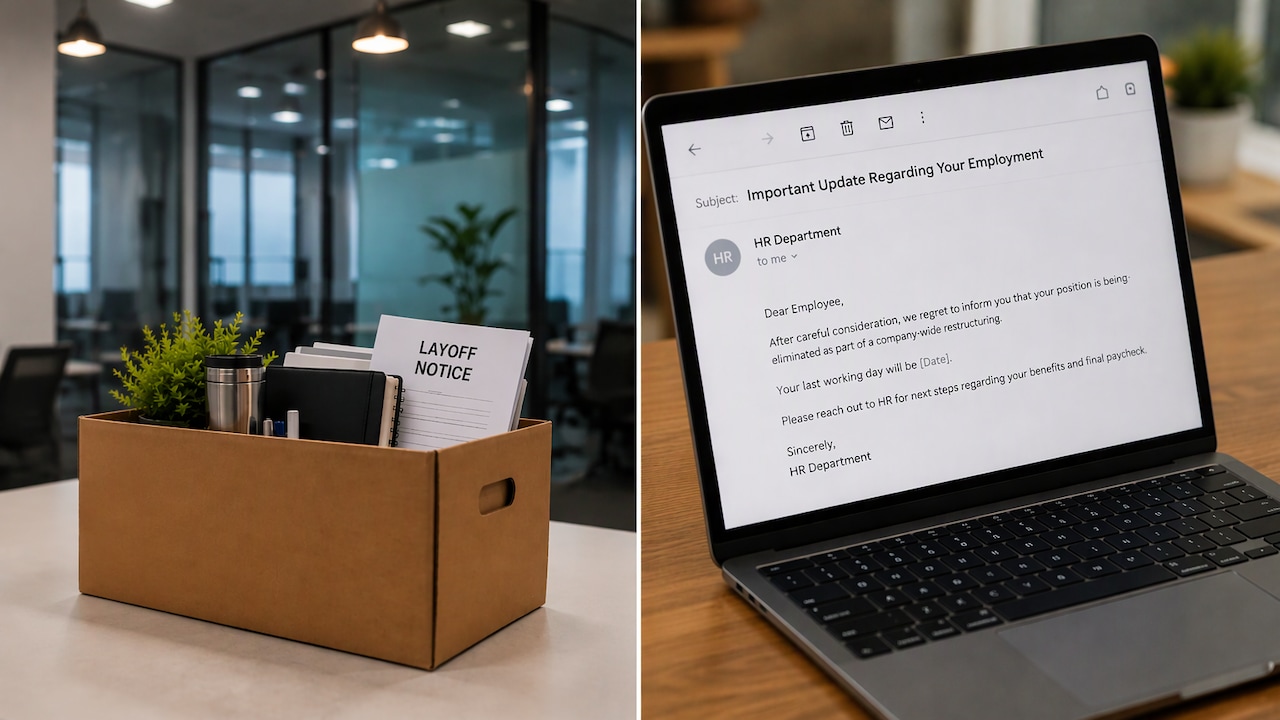
Imagine opening your inbox on a Monday morning to find an automated IT notice saying your system access ends on December 2. Nobody pulled you into a private room. Nobody explained what happens next. A script simply flipped a switch before your manager even got the chance to talk to you.
That is basically what happened at National Australia Bank this week. NAB had to apologize after automated MyID and DLP notifications went out to staff who had requested voluntary redundancy, letting them know about the outcome before direct manager conversations took place. As reported by Reuters and covered by Australian outlets like iTnews, the bank moved quickly to bring those conversations forward and said it was sorry for the distress caused.
Here is the real takeaway from this HR automation misfire. It wasn't some rogue sci-fi robot going evil. It was an identity and data-loss-prevention workflow firing on schedule while human communication lagged behind. When companies wire HR offboarding straight into IT access revocation without a hard human gate, bad timing becomes almost inevitable.
What Actually Happened at NAB and Why It Stings
NAB is in the middle of a major restructuring announced in October 2026 to cut up to 2,500 jobs over the next year, roughly 6 percent of its workforce, with up to 1,500 roles targeted before the end of the year. CEO Andrew Irvine described letting go of 2,500 people as the hardest decision of his career during a parliamentary hearing this month, while forced redundancies have been pushed back until at least late January 2027 according to Finance Sector Union updates cited by iTnews.
On the surface, an email going out a little early might sound like a minor operational hiccup. If you have ever sat through a corporate layoff or managed a team during one, you know it doesn't feel minor at all.
People who put their hand up for voluntary redundancy are already living in a gray zone. They are weighing finances, notice periods, career moves, and whether their exit was actually approved. Finding out through an automated system alert strips away dignity at the exact moment people need clarity and respect. Even when a redundancy is voluntary, hearing about it via an automated access warning feels cold and abrupt.
This Isn't a One-Off Glitch in Australian Banking
Honestly, if you watch corporate restructuring closely, this pattern looks painfully familiar.
Back in August 2025, ANZ Group ran into a very similar mess when automated emails went out to roughly 300 retail banking staff before formal redundancy notices, prompting an unconditional apology and accelerated conversations, as reported by HR Leader / HRM and other outlets. Different bank, different year, same broken sequence: the automated trigger fires before the human conversation happens.
Why does this keep happening at big institutions? Because large enterprises run on dozens of disconnected systems. HR tracks applications and approvals. Identity tools like MyID provision or revoke accounts. Security tools like DLP enforce data rules. When someone updates a status flag in one system, downstream automations can kick in automatically unless there is an explicit hold or manual release step.
In theory, automated workflows keep operations tidy and reduce manual errors. In practice, if nobody owns the timing lock between HR decisions, manager meetings, and IT offboarding triggers, the software wins the race every time.
The Trap of Automating High-Stakes Moments
I've seen plenty of companies get seduced by efficiency metrics during cost-cutting rounds. When budgets are tight and teams are shrinking, leaders want everything processed fast.
That is where HR automation crosses a line. Automating payslips, password resets, onboarding checklists, or routine status reminders makes total sense. Automating the moment someone learns their job is ending—or their access is being cut—is a different story entirely.
There is a legitimate debate here, and I don't want to pretend the fix is simple. In a bank or financial institution with strict security rules, revoking access quickly protects customer data and systems once an exit is finalized. Security teams worry about delayed offboarding, while HR teams worry about clumsy messaging.
Still, speed without human readiness creates huge trust damage. Worse, when jobs are being cut across a sector—and we are seeing broad restructuring pressure across Australia, including names like Qantas, Canva, WiseTech, and Atlassian—every misstep gets magnified. Workers don't just hear "there was a technical error." They hear "we are just rows in a spreadsheet."
What Leaders and HR Teams Get Wrong
When things go sideways like this, executives usually reach for the same playbook: a quick apology, a promise to bring meetings forward, and a reminder that the intent was good.
Intent doesn't fix bad architecture. A few common mistakes keep tripping organizations up:
- Treating offboarding triggers as pure IT tasks. Access revocation isn't just a security event. It is part of a human transition. If IT scripts fire based on a backend status change without a verified sign-off from HR and the direct manager, premature alerts will keep happening.
- Underestimating the gap between policy and reality. Leaders often assume managers will hold timely one-on-one meetings right on schedule. In busy restructures, calendar clashes, shifting timelines, and last-minute changes happen all the time. If the automation doesn't wait for confirmation that the conversation actually occurred, the email goes out cold.
- Forgetting the survivors. A botched layoff notice doesn't just rattle the people named in the email. Everyone else on the team watches how the company treats colleagues on the way out. If people feel their coworkers were handled carelessly, morale and trust take a hit across the whole floor.
Practical Steps If You Run Teams or Manage Restructures
If you lead people, work in HR, or design internal systems, you don't need a massive transformation project to avoid this kind of embarrassment. You need tighter guardrails around moments that carry emotional weight.
- Put a hard manual gate on sensitive notifications. Never let automated access, equipment, or status emails fire automatically on a status change during redundancies. Require an explicit human release step after managers confirm conversations are complete.
- Audit every connected system before a restructure. Map out all automated emails tied to HR, identity, and security tools. Check who owns each trigger and test what happens if a timeline shifts at the last minute.
- Give managers clear talking points and real timelines. If employees have questions about severance, notice periods, or next steps, managers need straight answers—not vague assurances—before any written notice hits an inbox.
- Keep human contact first for hard news. Use software to handle paperwork and logistics behind the scenes, while keeping direct, honest conversations at the front.
Automation is great at moving data. It is terrible at showing empathy.