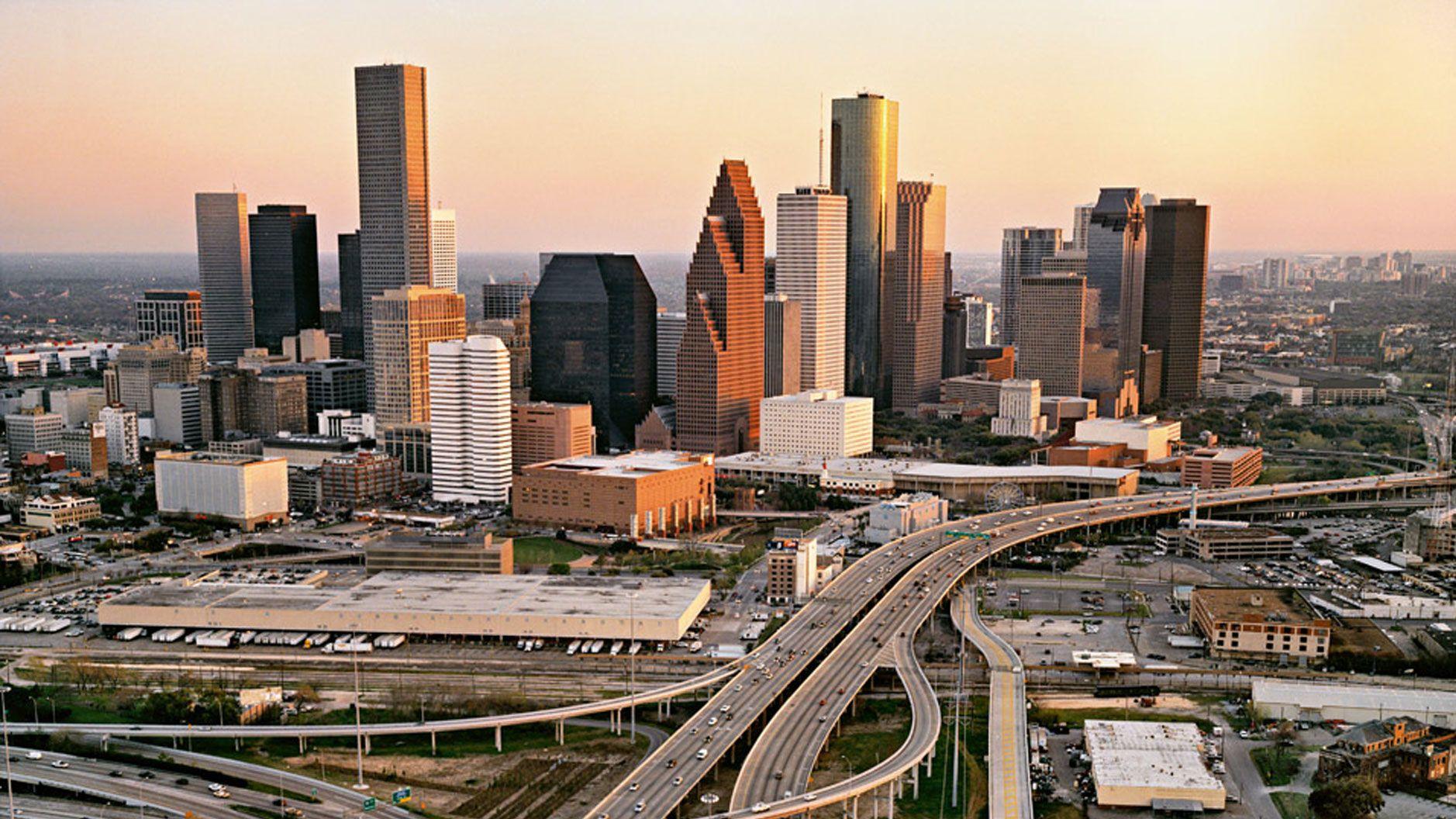
Local politics can shift overnight. When election returns shake up the state leadership, municipal leaders take notice. Houston Mayor John Whitmire just issued an executive directive instructing city police to strictly limit cooperation with federal immigration authorities. It is a massive pivot for Texas's largest city, and it changes how local law enforcement interacts with Immigration and Customs Enforcement (ICE).
Under the new rules, Houston Police Department officers will no longer contact ICE during routine traffic stops or minor encounters. Officers can only reach out to federal immigration agents if a suspect is being booked on an independent, jailable criminal offense and an active immigration warrant is present. If someone gets pulled over for a broken taillight and an administrative immigration flag pops up in the database, they get a standard ticket and go on their way. Local cops are staying out of civil immigration enforcement.
Politics drove this timing. Following recent statewide Democratic victories—including the gubernatorial election defeat of longtime Republican leadership—Whitmire felt the political ground shift underneath him. He openly admitted that elections matter. The shift also follows months of heavy tension in Houston over federal immigration enforcement tactics, including local outrage after a fatal shooting involving an ICE agent earlier this year. Critics argue the mayor should have drawn the line sooner, pointing out that community fear had already reached a boiling point long before the ballot boxes opened.
City leadership insists the change is about public safety priorities. Police Chief J. Noe Diaz emphasized that local officers need to focus resources on violent crime and community trust rather than acting as an extension of federal immigration agencies. When immigrant communities fear that calling 911 or reporting a crime leads to deportation, entire neighborhoods become less safe. Building that trust back takes time, and severing the day-to-day entanglement between local patrols and federal detainers is a necessary step.
Expect pushback. The federal administration and conservative state lawmakers have historically targeted sanctuary policies or cities that scale back federal cooperation. Previous threats from state officials involved withholding millions in public safety grants from cities that restricted federal partnerships. With a new political landscape taking shape in Austin come January, the legal and financial tug-of-war between Texas cities and federal authorities is far from over.
For now, Houston police officers have clear marching orders: focus on local criminal laws, leave civil immigration checks to the federal government, and stop turning minor traffic infractions into deportation pipelines. Watch how neighboring municipalities respond, because major policy changes in the Lone Star State rarely happen in isolation.