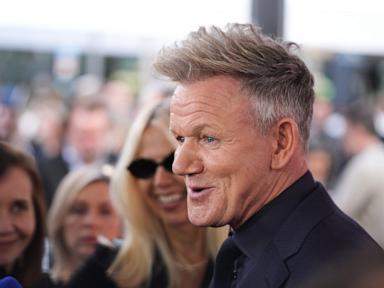
Gordon Ramsay is trading raw scallops for hot asphalt. The BBC has officially tapped the fiery chef to lead the revival of Top Gear, bringing the iconic motoring show back to screens in 2028 after years sitting in the garage.
On paper, hiring a Michelin-starred screamer to front a car show sounds like a chaotic stunt. Yet if you look past the TV soundbites, Ramsay brings real petrolhead credentials, global star power, and the exact kind of high-pressure energy a dormant franchise needs.
Production kicks off in 2027, with filming returning to Dunsfold Aerodrome and heading out on international road trips. The Stig is coming back too. Co-presenters haven't been named yet, and fans have plenty of fair questions about whether lightning can strike a third time—or whether the BBC is setting itself up for another awkward detour.
Why Gordon Ramsay Is Not Just a Celebrity Stunt for Top Gear
People who only know Ramsay from throwing plates on Hell's Kitchen tend to forget he has spent decades obsessed with fast metal. Growing up near Silverstone planted the bug early, and he has actually raced, collected serious hardware, and earned a racing licence. If you want more about the history of this, Deadline offers an informative summary.
His garage isn't a casual weekend hobby. We're talking Ferraris, Aston Martins, a Porsche, a Land Rover, and a McLaren Senna. Even back in 2006, he hustled a Chevy Lacetti around the Top Gear test track in 1 minute 46.3 seconds during a Star in a Reasonably-Priced Car run—not bad for someone whose day job involves reducing sauces.
Still, owning supercars doesn't automatically make someone a great car presenter. Having watched dozens of TV revivals crash and burn over the years, I've noticed a clear pattern. When networks hire a big name purely for name recognition, the chemistry feels forced within ten minutes.
Ramsay's advantage is different. He already knows how to command a room, banter under stress, and react unfiltered when things go sideways. Put him in a balky classic car in pouring rain or an unfamiliar city, and his natural impatience could be genuinely funny—provided the edit doesn't turn every segment into a scripted tantrum.
The Heavy Baggage Behind the BBC Revival
Let's be honest about why Top Gear went off the air in the first place. After Jeremy Clarkson was ousted in 2015, the BBC tried multiple resets. Chris Evans and Matt LeBlanc kicked off the post-Clarkson era, followed later by Chris Harris, Paddy McGuinness, and Andrew "Freddie" Flintoff.
Some of those later episodes actually hit a nice rhythm. Then came December 2022, when Flintoff suffered serious injuries after an open-topped Morgan Super 3 overturned at Dunsfold. By November 2023, the BBC shelved the show indefinitely.
That history hangs heavy over the 2028 comeback. Safety standards, insurance rules, and duty-of-care protocols in British television look very different after a high-profile crash. The BBC has promised "epic adventures, daring tests and spectacular stunts," alongside "stories, machines and mayhem". Balancing genuine thrills with strict safety oversight won't be easy, and viewers will notice immediately if stunts look overly sanitized.
BBC Studios Entertainment managing director Suzy Lamb has stressed that this won't simply be a nostalgic reboot, calling it a fresh chapter for the franchise. She's right about one thing: trying to clone Clarkson, Richard Hammond, and James May has failed every single time.
What the Biggest Misconceptions About This Reboot Miss
A few common assumptions are already floating around online, and most of them miss the mark:
- Ramsay doesn't know cars: False. His track history, racing licence, and garage lineup show real enthusiasm rather than fake interest.
- A 2028 air date means the BBC is stalling: Not necessarily. Filming starts in 2027, and building international shoots, casting co-hosts, and clearing logistics for a flagship BBC One and BBC iPlayer return takes time.
- The Stig makes it identical to the old show: A familiar masked driver gives fans a nod to tradition, yet tone and format matter far more than a white race suit.
There's also a real debate about how modern audiences even watch car television now. YouTube creators and TikTok clips have changed how people discover cars, reviews, and road challenges. A traditional BBC slot has to earn attention fast, especially when viewers can watch unfiltered car tests on their phones anytime.
Casting the Co-Presenters Will Make or Break It
Ramsay cannot carry a modern Top Gear revival solo. The best eras of motoring television thrive on friction, contrasting personalities, and shared misery on long drives.
If the BBC pairs Ramsay with two other loud, alpha personalities, the show will exhaust viewers by episode two. What works much better is a balance: one steady, deeply knowledgeable car nerd who actually cares about engineering details, and one dry or deadpan foil who doesn't flinch when Ramsay starts yelling.
Until the BBC announces the rest of the lineup, that casting puzzle remains the biggest question mark of the whole project.
What to Watch Before the Engines Start in 2027
If you're curious about how this revival shapes up—or if you cover entertainment and automotive media—you don't have to wait until 2028 to read the tea leaves.
- Watch the co-presenter announcements: Pay attention to whether the BBC picks recognizable TV names, sharp stand-up comics, or seasoned motoring journalists with real credibility.
- Track filming locations in 2027: Notice whether the crew sticks mostly to controlled circuits and studio challenges or heads back out onto ambitious, long-haul global journeys.
- Compare the tone against past eras: Look for signs of authentic curiosity about cars versus recycled reality-TV antics.
The BBC has taken a bold swing by putting Gordon Ramsay in the driver's seat. Whether it turns into appointment television or a noisy detour will come down to chemistry, smart writing, and respecting the machines.


