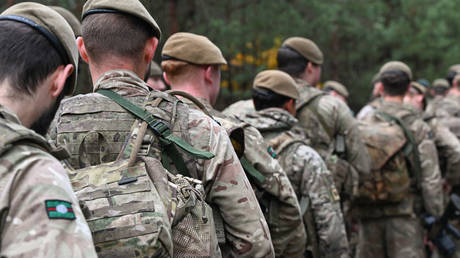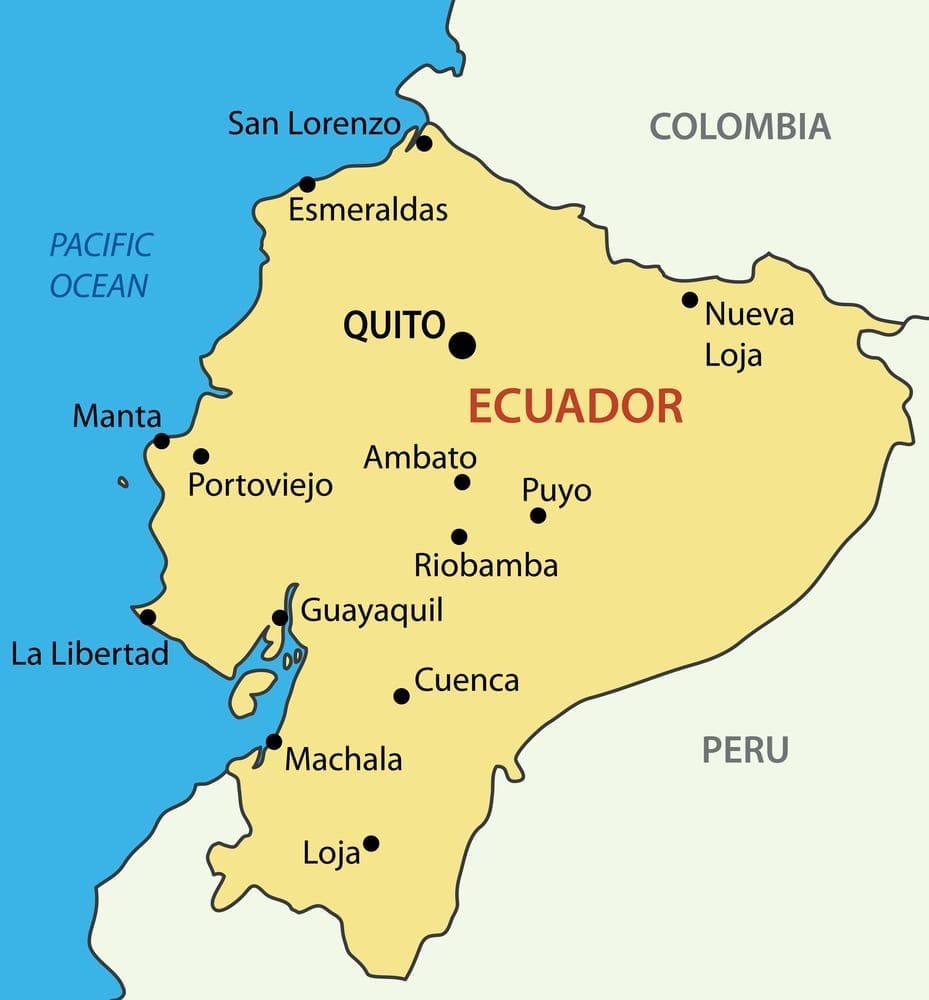
Geopolitics rarely operates in black and white, especially when narcotics trafficking and national sovereignty collide in Latin America. President Daniel Noboa of Ecuador finds himself at the center of a growing political firestorm. Investigative reports recently detailed a surge of foreign aircraft, temporary encampments, and new infrastructure at the Taura air base near Guayaquil.
If you look at the flight logs and satellite data, it sure looks like a footprint. Noboa disagrees.
During an interview with local media outlet Altavoz, Noboa drew a sharp line in the sand. He stated plainly that the personnel operating out of Taura are engaging in specific, temporary tasks—like intelligence-gathering drone operations—rather than occupying a permanent installation.
"It's not an American base, it's an Ecuadoran base," Noboa insisted.
The Political and Legal Minefield
The tension here isn't just about semantics. It touches a very raw nerve in Ecuadorian politics. Less than a year before these military movements came to light, Ecuadorian voters went to the polls and explicitly rejected a referendum proposal that would have allowed foreign military bases back into the country.
Ecuador's constitution has banned foreign bases since 2008. That historical restriction was born out of a desire for absolute national autonomy, particularly after the US military previously operated out of the coastal base in Manta until 2009.
When investigative journalists tracked flights moving between the Taura air base and major US military installations like Cherry Point Marine Corps Air Station in North Carolina and Dover Air Force Base in Delaware, alarm bells started ringing.
Internal friction followed almost immediately. High-ranking military officials began asking hard questions about the legal framework governing these foreign deployments. Notably, General Mauricio Salazar, then Commander of the Ecuadorian Air Force, sent an official letter requesting formal clarification on the legality of the US personnel stationed at Taura.
Two days later, Salazar was stripped of his post and reassigned to minor duties. That swift maneuver sent an unmistakable message down the ranks.
Washington and Quito Cooperating Against Cartels
To understand why this is happening, you have to look at the security crisis gripping Ecuador. The country has transformed over recent years into a major logistical hub for international drug cartels moving cocaine northward. Gang violence has skyrocketed, prompting Noboa to declare an internal armed conflict and seek heavy international backing.
Washington has eagerly stepped into that vacuum. US Secretary of State Marco Rubio and other American officials have hailed Ecuador as one of their most aggressive partners in the regional war on drugs, backing up that rhetoric with millions in security funding and naval assistance.
Joint operations sound great on paper. On the ground, they blur the lines of sovereignty.
When foreign troops pitch dozens of tents, construct support facilities, and land transport planes on domestic military installations, calling it a "rotation" or a "temporary mission" starts to sound like wordplay to skeptical lawmakers and citizens.
What Happens Next
Noboa's administration is walking a tightrope. They desperately need US intelligence assets, drone capabilities, and financial backing to crush the armed gangs terrorizing Ecuadorian streets. At the same time, they must answer to a populace that fiercely protects its constitutional prohibition against foreign military footprints.
By drawing a strict administrative distinction between a "permanent base" and "temporary operational hosting," Quito hopes to thread the needle. They get the tactical advantage of American muscle without triggering the constitutional landmine of an official foreign garrison.
Whether that distinction holds up against mounting investigative scrutiny and domestic legal challenges is another question entirely. For now, the flights keep landing at Taura, the tents remain pitched, and the government keeps denying the obvious.