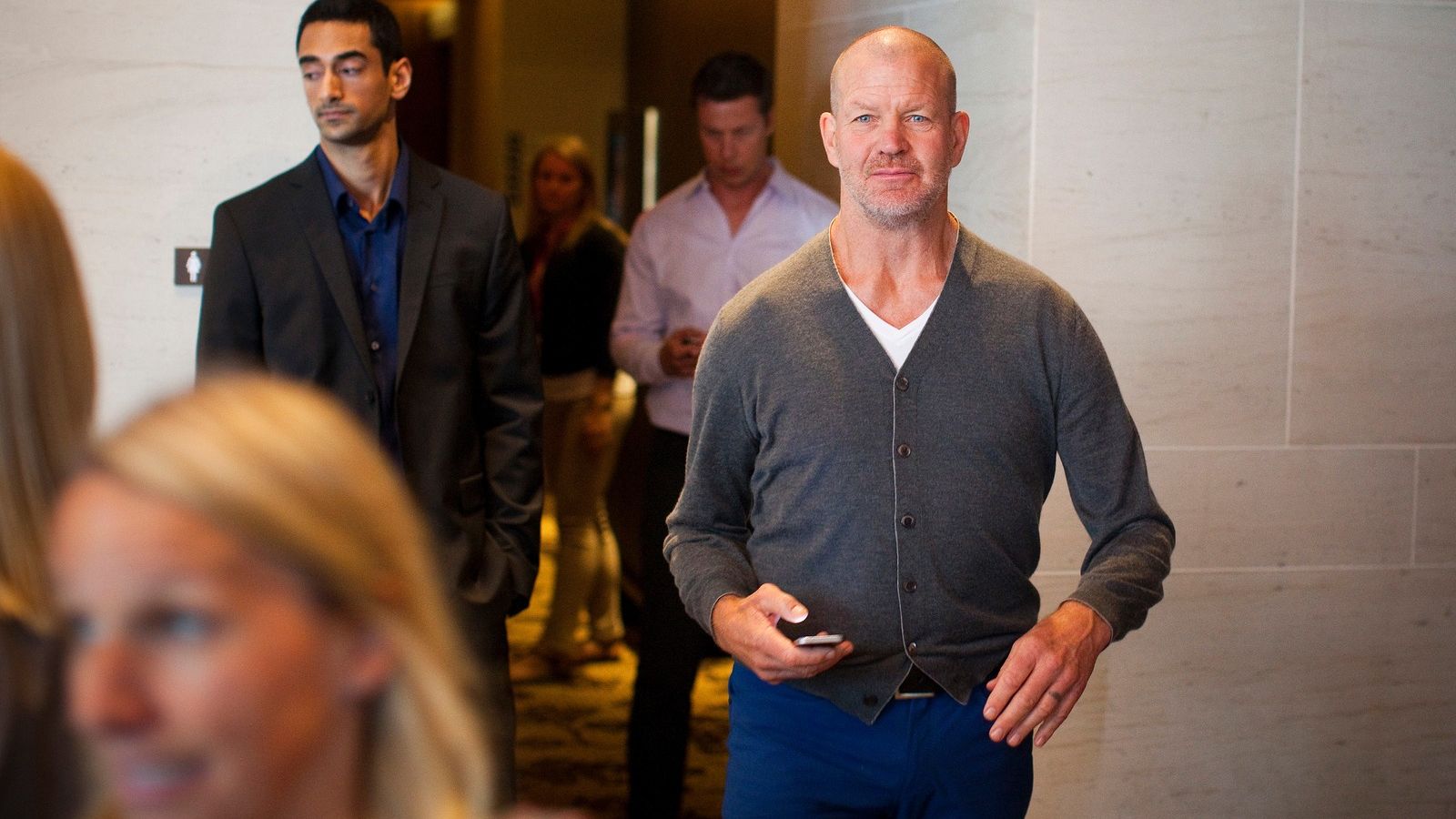
Walk into a room full of over 700 mostly female executives and leaders in Calgary, tell them employers hesitate to hire 22-year-old women because they might get pregnant, and suggest men might look to Thailand for brides if local women won't have enough kids. Honestly, what did Chip Wilson think was going to happen?
That's not a hypothetical scenario. On November 23, 2026, Lululemon founder Chip Wilson sat down at Calgary's BMO Centre for the Axis Connects Leadership Forum—a session titled "Little Black Stretchy Pants" after his memoir—and triggered swift pushback, audible gasps, and walkouts. Because no public video or official transcript of the session has been released, reporting from outlets including The Globe and Mail, The Guardian, and Newsweek relies on attendee accounts and social media posts from people in the room. Even accounting for the lack of a public recording, the reaction from the crowd and from event organizer Axis Connects makes one thing obvious. A billionaire founder who built a massive fortune selling activewear to women still treats gender, family planning, and marriage like an edgy parlor game rather than a serious leadership topic.
What Happened at the Calgary Forum
Axis Connects is a non-profit focused on advancing women into senior leadership and corporate boards. Roughly 720 people had registered for the 2026 forum at the BMO Centre, with a lineup that also featured musician Jann Arden, Olympic ice dancer Tessa Virtue, and former Alberta premier Jason Kenney. Wilson's conversation with Axis Connects CEO Nuvyn Peters was scheduled for an hour, yet Peters cut it short by roughly 15 minutes after audience discomfort and disapproval mounted.
According to attendees who spoke to The Globe and Mail and The Guardian, Wilson argued that companies can be wary of hiring young women—specifically pointing to a 22-year-old—out of concern she might become pregnant the following year and take maternity leave. He reportedly credited birth control with making employers more willing to hire young women in the first place by letting them delay starting families. He also claimed Canadian women aren't having as many children as men want, suggesting men who want larger families might seek brides from Thailand. Attendees also reported he said some of North America's top women's apparel brands are run by men and claimed men and women hold distinct views on what looks good on each other's bodies.
When asked whether he regretted his past remarks, Wilson reportedly said those earlier comments had been taken out of context. Afterwards, plenty of copies of his 2024 book, Lululemon and the Future of Technical Apparel, that had been placed in gift bags were left behind on tables.
The Organizer Response and the Context Debate
Axis Connects didn't try to sweep the fallout under the rug. In statements reported by The Globe and Mail and Daily Hive, CEO Nuvyn Peters said several of Wilson's remarks were offensive and clashed with the organization's values and mission. She noted that the reaction underscored how outdated assumptions about women in the workplace and leadership haven't vanished, adding that challenging those attitudes is central to Axis Connects' work.
A spokesperson for Wilson pushed back on the criticism by pointing to his record of encouraging women's leadership. In his memoir Little Black Stretchy Pants, Wilson wrote that he gave 10% of his personal shares to early employees at Lululemon's IPO, which he stated made roughly 30 employees—mostly women—multimillionaires. That's a real detail worth weighing alongside the backlash. Wealth distribution at founding matters, and early employees who became multimillionaires won't view his legacy the exact same way a frustrated conference attendee does.
Still, defending a founder's record by pointing to past equity grants or mentorship doesn't erase what happens on a stage in 2026. When someone tells a room of working professionals that hiring a 22-year-old woman carries a built-in pregnancy risk, they aren't offering "candid conversation." They're validating a bias that pushes women out of pipelines long before executive roles open up. And when a speaker brings up importing brides from Thailand because Canadian women allegedly won't have enough children, it crosses from tone-deaf business speculation into reductive stereotypes about both marriage and nationality.
Why This Pattern Feels So Familiar
If you've followed Lululemon's history, none of this feels brand new. Back in 2013, Wilson made headlines during a Bloomberg TV interview when he said some women's bodies "just actually don't work" for Lululemon pants, framing pilling around thigh friction and garment fit. That remark sparked intense customer anger, cost him his role as board chair in December 2013, and became a textbook case study in how a founder's off-the-cuff words can hurt a brand.
There's also a long-standing tension in how Wilson has talked about his core customer. In Lululemon's early days, he famously described the brand's target "Super Girl" as a 32-year-old working woman without children who had disposable income to spend on pricey activewear. Now, decades later, he's criticizing birth control and arguing that women aren't having enough kids. It's a pretty sharp pivot—from pitching to childless career women to lecturing a leadership room about fertility and marriage.
To be fair, we shouldn't treat unverified quotes from an unrecorded talk as gospel word-for-word without noting how they reached the press. Because no public video or official transcript has been released, details come from attendees and reporters covering the event. Even so, multiple outlets reported consistent themes—pregnancy and maternity leave as a hiring hesitation, birth control, Canadian birth rates, and marrying women from Thailand—and Peters' public rebuke confirms the session went sideways in real time.
The Real Workplace Risk Behind the Headlines
Strip away the celebrity drama and look at what's actually sitting underneath Wilson's remarks about pregnancy and hiring. It's the old "maternal wall" idea dressed up as pragmatic economics.
In my experience watching how companies hire and promote talent, the most dangerous biases rarely sound like cartoon villainy. They sound like "practical business math." A manager thinks: What if she goes on leave in a year? Or: We need someone who can grind right now. Once that assumption enters a hiring decision, everyone loses. The company shrinks its talent pool by half, overlooks sharp candidates, and signals to existing staff that family life is a liability rather than a normal part of adult existence.
In Canada and the United States, discriminating against applicants or employees because of pregnancy or family status runs headlong into workplace rights and anti-discrimination protections. Even when a speaker frames it as "just describing how some companies think," repeating that logic as conventional wisdom normalizes unlawful bias.
What Leaders and Founders Should Do Differently
If you run a team, sit on a board, or book speakers for business events, this controversy is a pretty clear checklist of what not to do—and what to do instead.
- Audit hiring scorecards for "availability" bias. Make sure interviewers score candidates strictly on job-relevant skills and structured criteria, not unspoken assumptions about age, marital status, or future family plans.
- Vet event speakers against the audience's actual mission. A provocative name sells tickets, sure. Yet if a speaker's worldview clashes with the purpose of a women's leadership forum, you're asking your moderator to play referee mid-panel.
- Separate equity generosity from leadership culture. Giving early staff shares or mentoring individuals can be real and meaningful, yet it doesn't give anyone a free pass to air stereotype-heavy opinions about women's bodies, marriage, or fertility on a public stage.
- Build real parental coverage into team planning. Instead of treating maternity leave as a shock that breaks a department, cross-train teammates and plan coverage openly so taking leave doesn't stall careers or punish coworkers.
That's the whole lesson here. Great product instincts don't automatically make someone a wise voice on women's careers, and walking off a stage early doesn't change the fact that the room heard every word.