Hundreds of jobs off the East Yorkshire coast are hanging by a thread this winter. And honestly, the standoff between Centrica and Downing Street isn't just another corporate squabble over subsidies.
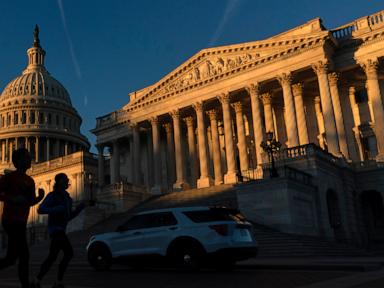
Centrica chief executive Chris O'Shea just sent a pointed memo to roughly 400 direct employees and contractors at the Rough gas storage facility. In it, he says he's pushing for urgent talks with Prime Minister Andy Burnham and tells staff the company is doing everything it can to save their jobs. The immediate trigger? Energy Secretary Miatta Fahnbulleh turned down Centrica's offer to run Rough as a short-term strategic reserve this winter, while pushing the full response to a long-term gas storage consultation—which closed back in February—into next year.
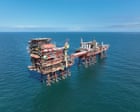
That matters because Rough isn't some minor backup depot. Sitting about 18 miles (roughly 29 kilometers) off the Yorkshire coast and linked to the Easington terminal, it's Britain's biggest gas storage site, accounting for around half of the country's total storage capacity and storing up to 54 billion cubic feet of gas—enough to heat roughly 2.4 million homes over winter. With the current operating consent set to expire on April 30, 2027, and approval already in place from the North Sea Transition Authority to cease operations, time is running out fast.
What actually happened in this standoff
Most headlines stop at "Centrica boss warns jobs at risk". That misses the mechanics of what Centrica put on the table—and why ministers said no for now.
Back in April, as conflict in the Middle East squeezed global gas supplies, Centrica started talks with the government on a short-term winter reserve idea. Gas would be injected during the summer, held for this winter, and released only if the government asked for it, with profits going back to the government rather than Centrica keeping them. Ministers declined that winter arrangement, maintaining that Britain has enough gas to meet winter demand without it.
At the same time, Whitehall delayed its broader policy answer on gas storage until next year. Look at the timeline and you see why O'Shea sounds frustrated. A consultation on long-term gas supply and storage ended in February, yet nearly ten months later, operators still don't have a clear framework. O'Shea is asking ministers for a "minded to" decision within the next month so the company can plan with some certainty before every extra week narrows its options.
Why Britain's gas storage math makes people nervous
If you've ever watched UK energy policy up close, you know gas storage has a long, bumpy history. Centrica bought Rough in 2002. In 2017, operations stopped because of ageing infrastructure and the lack of a long-term regulatory support mechanism. Following safety inspections and engineering work, it partially reopened in 2022 as energy security fears spiked.
That history explains why union voices and industry watchers react sharply whenever storage is threatened. The union Unite has warned that Britain has only up to 12 days of maximum gas storage capacity overall, arguing that if Centrica and the government can't reach a deal, Rough should be nationalised rather than left to wind down.
Still, there's a real debate here—not just bluster from a utility trying to protect its balance sheet. Ministers have to weigh taxpayer and billpayer costs against low-probability winter shocks, especially when markets and supply routes are already stretched by conflicts involving Ukraine and Iran. Paying for standby capacity isn't free, and if storage prices swing wildly, pure merchant operation can look unattractive to private investors without some form of floor-and-cap revenue model.
The £2 billion hydrogen pitch and its real hurdles
Centrica's bigger play isn't just keeping an old gas field limping along. In response to the government's consultation, the company proposed a redevelopment of up to £2 billion to turn Rough into a massive energy storage hub capable of handling both natural gas and hydrogen, with backers pointing to thousands of skilled construction jobs over time.
On paper, that sounds great. Wind and solar generate plenty of power at times and far less at others, so storing surplus energy as hydrogen—or balancing seasonal heat demand—is a logical piece of a low-carbon grid.
In practice, though, turning a North Sea gas field into a dual natural gas and hydrogen facility takes years of engineering, clear commercial rules, and regulatory alignment. You can't flip a switch on a £2 billion offshore project overnight, and you won't get final investment decisions while the policy framework is still sitting in a Whitehall inbox. Even O'Shea has noted in the past that Rough isn't a silver bullet for energy security on its own, even though it plays a major role in winter supply confidence.
Common mistakes people make reading this story
When energy stories hit the news during cold weather, a few myths pop up right away.
- Thinking shutting Rough means the lights or boilers go out tomorrow: Not quite. Britain relies heavily on pipeline imports, liquefied natural gas, and domestic production alongside storage, which is why the government says supplies are sufficient for this winter. Losing storage doesn't cause an instant blackout, though it can reduce buffer capacity and affect price resilience during sharp cold snaps or supply disruptions.
- Assuming Centrica wants to walk away for fun: Centrica has pushed hard for a commercial framework—such as a scheme setting a minimum revenue floor alongside a cap on upside earnings—because volatile economics make long-term capital spending tough to justify. Letting a licence expire on April 30, 2027, is a commercial and operational deadline, not a casual whim.
- Treating hydrogen storage as a quick fix: Hydrogen can help balance intermittent renewables in the longer run, yet it's still an emerging system buildout rather than an immediate substitute for today's gas infrastructure.
Practical next steps to watch what happens next
If you're tracking this for business planning, energy risk, or local impact in East Yorkshire, don't wait for a single dramatic headline. Watch three concrete markers over the coming weeks:
- Look for a "minded to" signal from ministers: Watch whether Andy Burnham's government and Miatta Fahnbulleh's department issue an interim policy signal over the next month ahead of the fuller consultation response next year.
- Track the April 30, 2027, licence clock: Keep an eye on formal steps between Centrica, trade unions, and the North Sea Transition Authority, since operational wind-down plans take months to prepare once a consent deadline nears.
- Check wholesale gas and grid alerts: Monitor winter gas market pricing and grid balancing notices, which show how tight real-world supply margins feel when cold weather hits. You can also read Centrica's project overview for Rough to check the company's stated capacity and redevelopment plans directly.