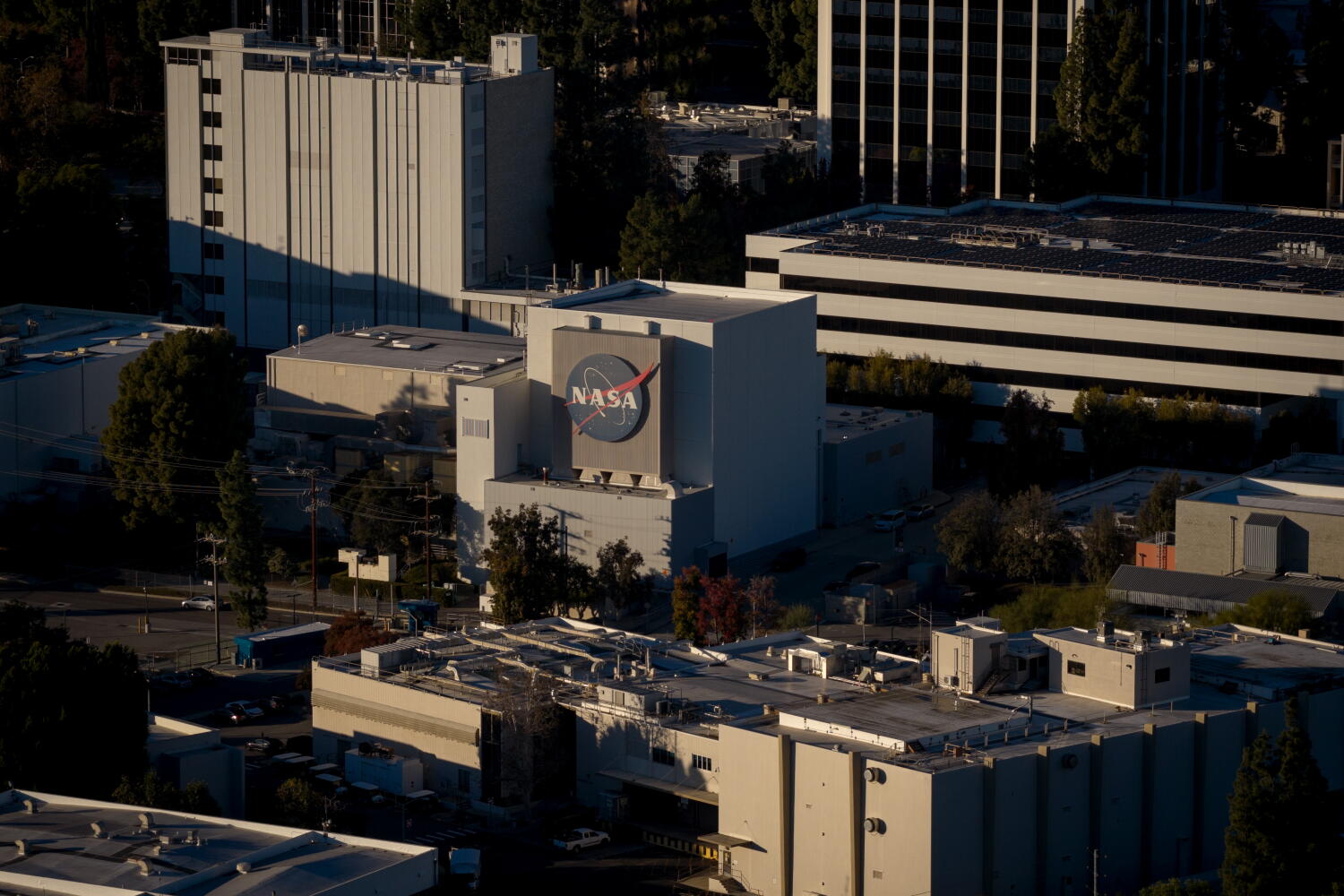
Caltech has run NASA's Jet Propulsion Laboratory for decades. Now that streak is on the line.
In May 2026, NASA announced it will open the management contract for NASA's Jet Propulsion Laboratory to competitive bidding for the first time in the lab's modern history. The current contract runs through September 30, 2028, with a potential ceiling up to $30 billion if all options are exercised. Opening that door changes the entire dynamic in Southern California space policy.
Honest truth? A nearly seventy-year sole-source arrangement rarely survives forever in federal contracting. Still, watching rival universities and research groups circle a crown jewel of planetary exploration feels surreal.
How This Bidding War Actually Started
JPL traces its roots back to Caltech researchers experimenting with rocketry in 1936, long before NASA existed. After NASA formed in 1958 and took over the facility from the U.S. Army, Caltech managed it without a competing bid for every subsequent contract cycle. For another look on this development, check out the latest coverage from TechCrunch.
That changed on May 22, 2026, when NASA moved to compete the next contract for operating the facility as a federally funded research and development center. By August 3, 2026, the agency issued a Request for Information and Sources Sought Notice on SAM.gov to gauge potential operators and gather feedback on procurement strategies.
NASA followed up with an industry engagement event at JPL on October 21 and 22, 2026, sharing draft statement-of-work materials and answers with prospective bidders. The agency's published timeline points toward a draft solicitation in early 2027, formal proposals that summer, and an award in early 2028 so a new contract can start October 1, 2028.
Who Is Circling the Contract
Competition isn't a polite formality. Rivals have real motives.
According to coverage around the bidding push, the University of Southern California, the Texas A&M University System, and a long-standing research consortium have signaled interest in pursuing the contract. Texas A&M's Board of Regents moved forward in September 2026 to authorize building a team to prepare a proposal.
USC brings deep Los Angeles ties and engineering muscle right in JPL's backyard. Texas A&M brings massive public university scale, regent backing, and experience managing large research portfolios, even if its main campus sits far from the Arroyo Seco. A consortium model, meanwhile, lets partners pool space systems expertise, federal compliance teams, and institutional support.
Meanwhile, Caltech isn't rolling over. Former Caltech President Thomas F. Rosenbaum and JPL Director Dave Gallagher stated when the competition was announced that Caltech welcomed an open process, and Caltech's student newspaper reported the institute was preparing its own bid to defend its stewardship. Ray Jayawardhana, who took over as Caltech's 10th president on July 1, 2026, has also been deeply involved in leadership transitions alongside Gallagher, including a September 2026 search for a new JPL deputy director.
Why This Matters Beyond Pasadena
People often assume a change in contractor means boxes get packed up and shipped to another state. That's rarely how a federally funded research and development center works.
NASA has stated that competing the contract is meant to keep continuity for active and future missions while giving the agency a structured selection process. Physical testbeds, clean rooms, mission operations centers, and deep-space engineering infrastructure aren't easily uprooted overnight.
What can shift is governance, overhead discipline, institutional alignment, and how the operator navigates Washington budgets. JPL has already endured painful workforce reductions in 2024 and 2025 amid budget swings and shifts around flagship efforts like Mars Sample Return, along with recovery challenges after devastating Southern California wildfires.
When a lab takes heavy financial hits, leadership pressure rises on every front. Contractors face tougher scrutiny over cost control, schedule realism, and risk management.
What Most People Get Wrong About Lab Takeovers
A common misconception is that winning a management contract turns a university into the "owner" of NASA's missions or spacecraft. It doesn't. NASA sets the science priorities, funds the missions, and holds oversight authority.
Another mistake is thinking rank-and-file engineers immediately vanish if a new prime contractor wins. Engineers and scientists frequently stay with the work under a new operating structure, though culture, benefits, and reporting lines can still shift noticeably.
There's also a debate over whether an academic institution is still the ideal steward for a massive space engineering lab in an era of commercial spaceflight. Supporters of Caltech point to decades of scientific pedigree, deep integration with planetary science, and institutional memory. Critics or rival bidders argue that fresh oversight or a broader consortium could bring sharper operational discipline. Both sides have credible points, and the final procurement rules haven't been locked in yet.
Practical Steps If You Follow or Work in the Space Sector
Whether you're an engineer, a small aerospace supplier, a policy watcher, or a local resident tracking Pasadena's economy, waiting until 2028 is too late to pay attention.
- Track official procurement notices directly. Watch NASA's JPL management announcement and the SAM.gov FFRDC procurement listing for draft solicitation releases and industry event summaries.
- Watch university board and leadership actions. Public governing boards, such as the Texas A&M University System Board of Regents, often tip their hand in agenda packets and committee authorizations before final bids take shape.
- Separate rumor from contract reality. Don't treat early expressions of interest or social media speculation as a done deal. Requirements in a draft request for proposals often reshape who actually bids—and who teams up with whom.
- Assess vendor and career exposure early. If you supply hardware, software, or facilities services to JPL—or plan a career move in aerospace—pay attention to how subcontracts, unions, and mission portfolios evolve through 2027 and 2028.
The race is underway, the paperwork is moving, and the next chapter for JPL will be decided long before the current contract expires.