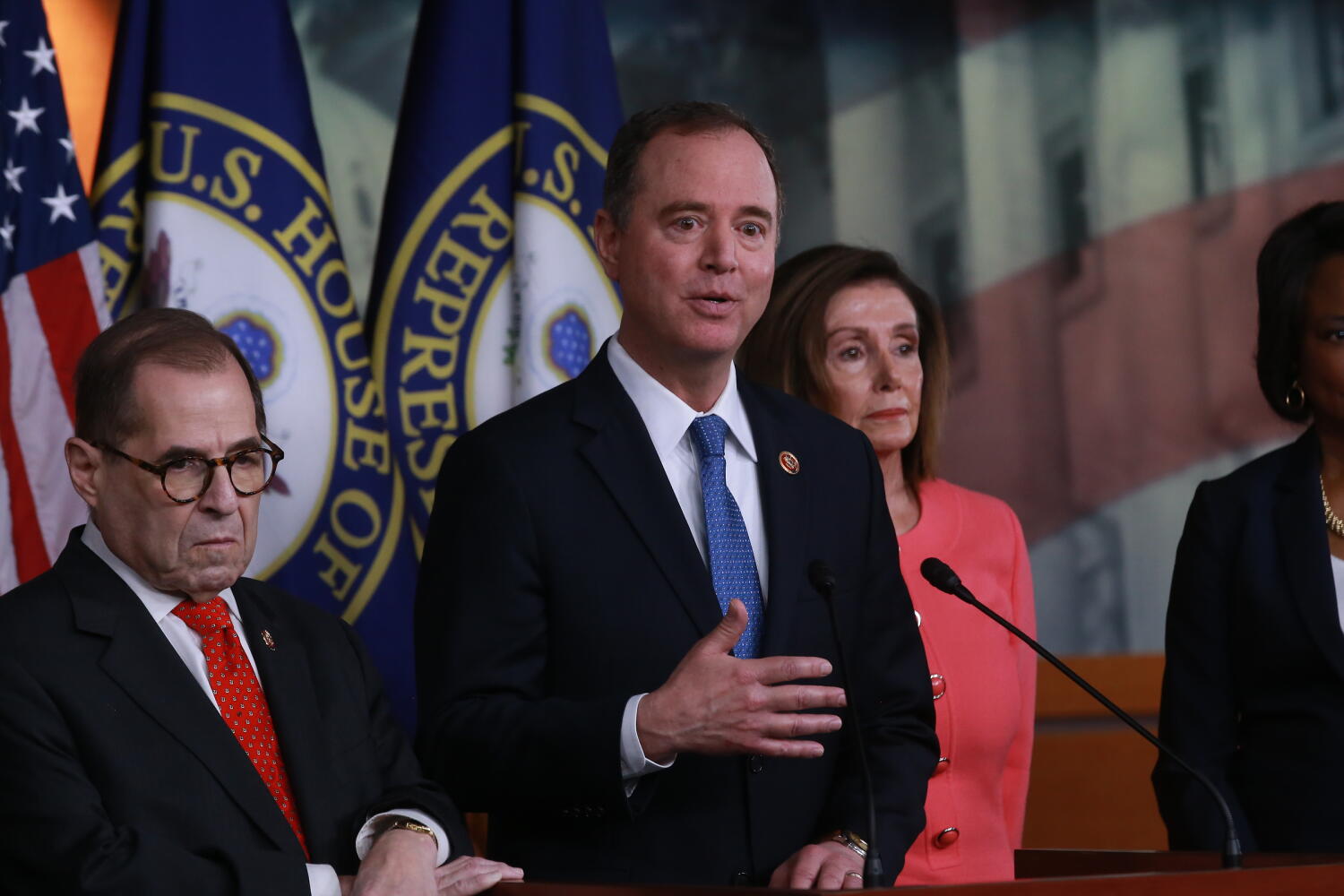
Voters just handed Democrats control of Congress, and the political playbook is getting ripped up before the ink on the election returns has even dried. If you expected Washington to immediately plunge into another round of frantic impeachment articles, you haven't been paying attention to the quiet strategic pivot happening behind closed doors in the Capitol.
California's powerhouse congressional delegation holds the keys to the kingdom now. Instead of rushing toward a headline-grabbing third impeachment vote against Donald Trump, top California Democrats are choosing a much grindier, far more methodical weapon: aggressive congressional investigations.
It is a calculated gamble. Party leaders know their base wants blood, but they also know that a third impeachment would likely die a predictable death in the Senate, alienate independent voters, and suck all the oxygen out of legislative priorities. So they are swapping out the gavel of theatrical condemnation for the subpoena power of old-school oversight.
The New Power Dynamic in Washington
The political landscape in late 2026 looks nothing like it did a couple of years ago. With a newly flipped Congress, Democratic lawmakers from the Golden State find themselves holding committee gavels they haven't wielded in years. They can subpoena records, haul cabinet secretaries in for grueling public hearings, and pry open the inner workings of an executive branch that spent the early months of Trump's return pushing aggressive immigration enforcement, sweeping tariff shifts, and controversial technology policies.
California Democrats are uniquely positioned to lead this charge. Their state has spent a decade serving as the primary legal and political resistance to Republican administrations. Now, that state-level defiance has migrated straight back to federal committee rooms.
Yet, party veterans are urging caution. They remember the fatigue that set in among ordinary voters during past partisan spectacles. The average person isn't sitting at home obsessing over constitutional technicalities; they are worried about grocery prices, housing costs, and whether their health insurance premiums are about to spike.
Following the Money and the Affordability Crisis
Instead of framing the next two years around an abstract battle over high crimes and misdemeanors, California lawmakers are anchoring their strategy to something voters feel every single day: the nation's stubborn affordability crisis.
Congressional investigators are zeroing in on executive branch decisions and administration officials' business entanglements that they argue have worsened inflation and favored well-connected corporate players. Recent controversies surrounding regulatory carve-outs, tech policy decisions, and federal resource allocations are moving to the front burner.
When you tie administrative corruption directly to the cost of living, the politics change entirely. It shifts the conversation from a partisan food fight in Washington to bread-and-butter economic survival for working families. That is an argument Democrats believe they can actually win outside their coastal strongholds.
Why Impeachment Is a Trap Right Now
Let's be honest about why party leadership is slamming the brakes on impeachment talk. It's not out of sudden affection for the executive branch. It's simple math and tactical pragmatism.
First, an impeachment requires a unified party and a clear path to conviction—neither of which exists. Pushing a vote that falls short in the Senate doesn't project strength; it projects weakness and gives the administration a convenient rallying cry to fire up its own base.
Second, it crowds out everything else. If every news cycle is consumed by debate over articles of impeachment, Democrats can't talk about housing, healthcare, or wages. They learned that lesson the hard way in previous election cycles. Voters want solutions, or at least a credible check on power, not endless congressional drama that goes nowhere.
Third, investigations actually bite. Subpoenas for financial records, internal communications, and agency memos can uncover damaging details that drip out week after week, keeping the pressure on the administration without forcing a premature, vote-counting showdown on the House floor.
What Oversight Actually Looks Like in Practice
If you think congressional oversight is just politicians yelling at witnesses on television, think again. The real work happens in the weeds of document production and forensic accounting.
Staff investigators are currently combing through federal contracts, regulatory exemptions granted to favored industries, and communications between agency heads and outside political operatives. When committee chairs issue a subpoena for bank records or internal scheduling logs, the administration is forced to spend millions in legal fees and countless hours of staff time fighting back in federal court.
This is where California's legal pedigree shines. The state's congressional members work hand in hand with aggressive state attorneys general who have spent years perfecting the art of bureaucratic warfare. They know how to draft narrow, legally airtight document requests that judges uphold, even when the executive branch tries to stonewall.
The Political Risk for California Leaders
Of course, this approach carries its own hazards. Progressive activists inside California are already grumbling that party leadership is being too timid. They look at the administration's sweeping executive actions on immigration and deregulation and wonder why lawmakers aren't reaching for the ultimate constitutional deterrent immediately.
If committee investigations drag on for months without producing a smoking gun that captures public attention, leadership will face intense friendly fire. Voters have short attention spans. If congressional hearings look like dry bureaucratic snooping rather than high-stakes accountability, the political payoff will evaporate.
Furthermore, the administration is not sitting idle. White House lawyers are preparing aggressive executive privilege claims designed to slow-walk every single document request coming out of Capitol Hill. They know how to run out the clock.
The Road Ahead Through 2028
The coming months will test whether congressional Democrats can maintain discipline. The temptation to turn every committee hearing into a viral social media moment will be overwhelming for junior lawmakers looking to build their national profiles.
If party leaders can keep the focus sharp, tie executive overreach directly to pocketbook issues, and let investigators do their quiet, methodical work, they might just redefine how a congressional minority—now majority—successfully checks a powerful White House.
Impeachment is off the table today. But in Washington politics, today's closed door can easily become tomorrow's open courtroom. The real battle for the soul of the country isn't happening on a floor vote; it's buried in the thousands of pages of subpoenas being drafted right now.